View Sidebar
Click on any book icon to see Table of Contents and/or to purchase a copy.

Archive for category: Latest

Lisa, You Read 2,648 Picture Books This Year? Tell Us More.

Lisa, You Read 2,648 Picture Books This Year? Tell Us More.

Dear WinkWorld Readers, 

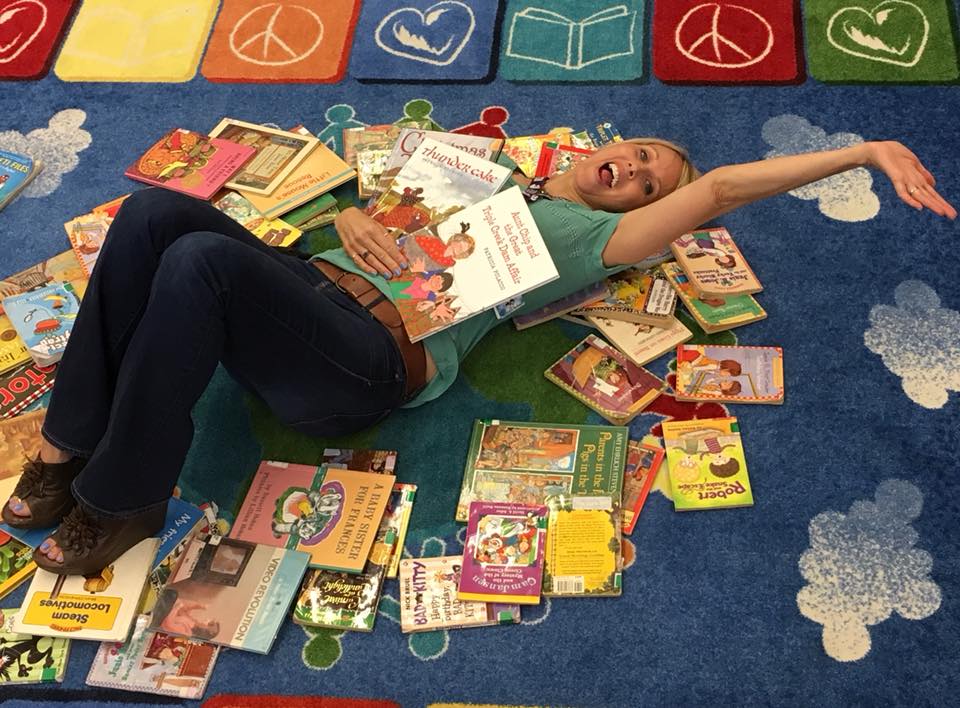
Lisa MacKenzie-Miller of CA, a former graduate student, posted on social media that she had read 2,648 books during the academic school year, August to mid-May. Lisa has been a teacher for 23 years, and suddenly decided to challenge herself to read the entire picture book section of her school library.  In order to do this, she checked out 20 books per day.  When I read her post, I had several questions, which she generously answered for us.  Thank you, Lisa, for sharing, and I very much appreciate all you do to create avid little readers.


In what follows, I have my questions and Lisa’s responses.

What made you decide to read all of the books in the picture book section of your school library?

I have been thinking about this for several years, as my students excitedly tell me about a book they chose during library time. I wanted to challenge myself.  I found I could read 10 picture books during my lunch, and then check out 10 more to take home. I loved going home and looking forward to reading the books.

What was the best part of reading all of these books?

I loved knowing the stories when the students excitedly told me about what they had read.  I was able to ask them questions about the book and tell them what I thought of it. 

What was the most surprising part of reading all of those books?

2 things: First, I was surprised how much I didn’t like some of the books, and second, I relearned that you can never judge a book by its cover.

What was your biggest worry?

I didn’t have my 20 books to read each day during the Christmas 2-week break.  I am a reading addict.

How often did you use ReadAlouds? 

Every day. 

How did you use ReadAlouds?

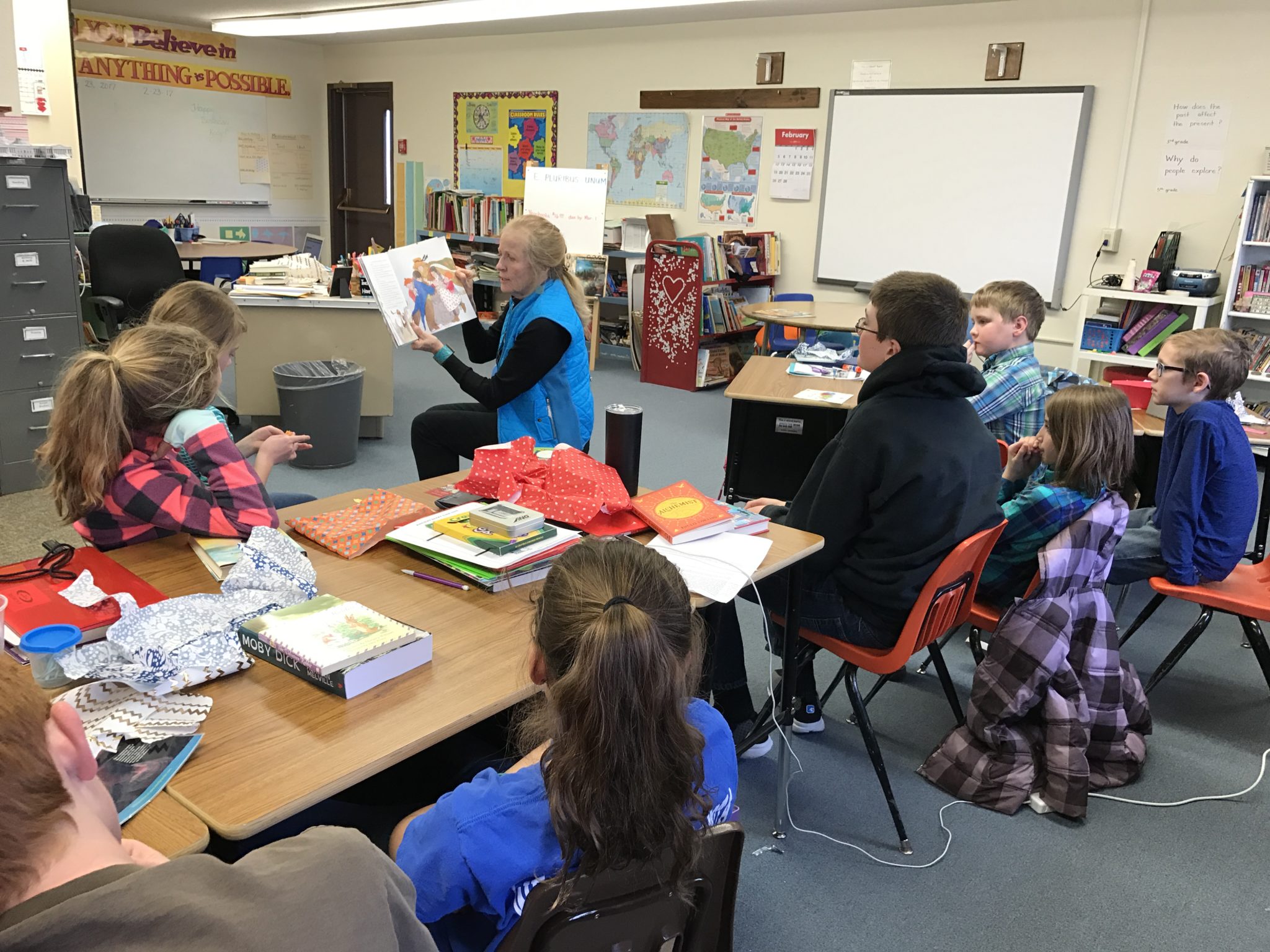
I always have a book with me during the day.  For example, I did a ReadAloud as the whole class walked for bathroom breaks, or when we had to wait for anything in the classroom, as kids can get restless. I noticed that when I start reading aloud, the students immediately gather around and and quiet down.  I read during transition time, as we changed from one concept/content of the curriculum to a new topic. Basically, I do a ReadAloud anytime there is an unfilled moment during the school day.

How did the students respond to your many ReadAlouds?

This year I noticed that the students were constantly reading independently when they finish with an assignment. They even asked for more DEAR (Drop Everything And Read) time. One child usually had a book in one hand, even while doing math with the other hand.  I also noticed that the students, who were in the process of acquiring English as a new language,  learned English faster. I even heard them discussing the stories with their classmates. 

In fact all of the student read more this year than I have ever seen in my 23 years teaching 2nd grade.

Did you have a favorite author?

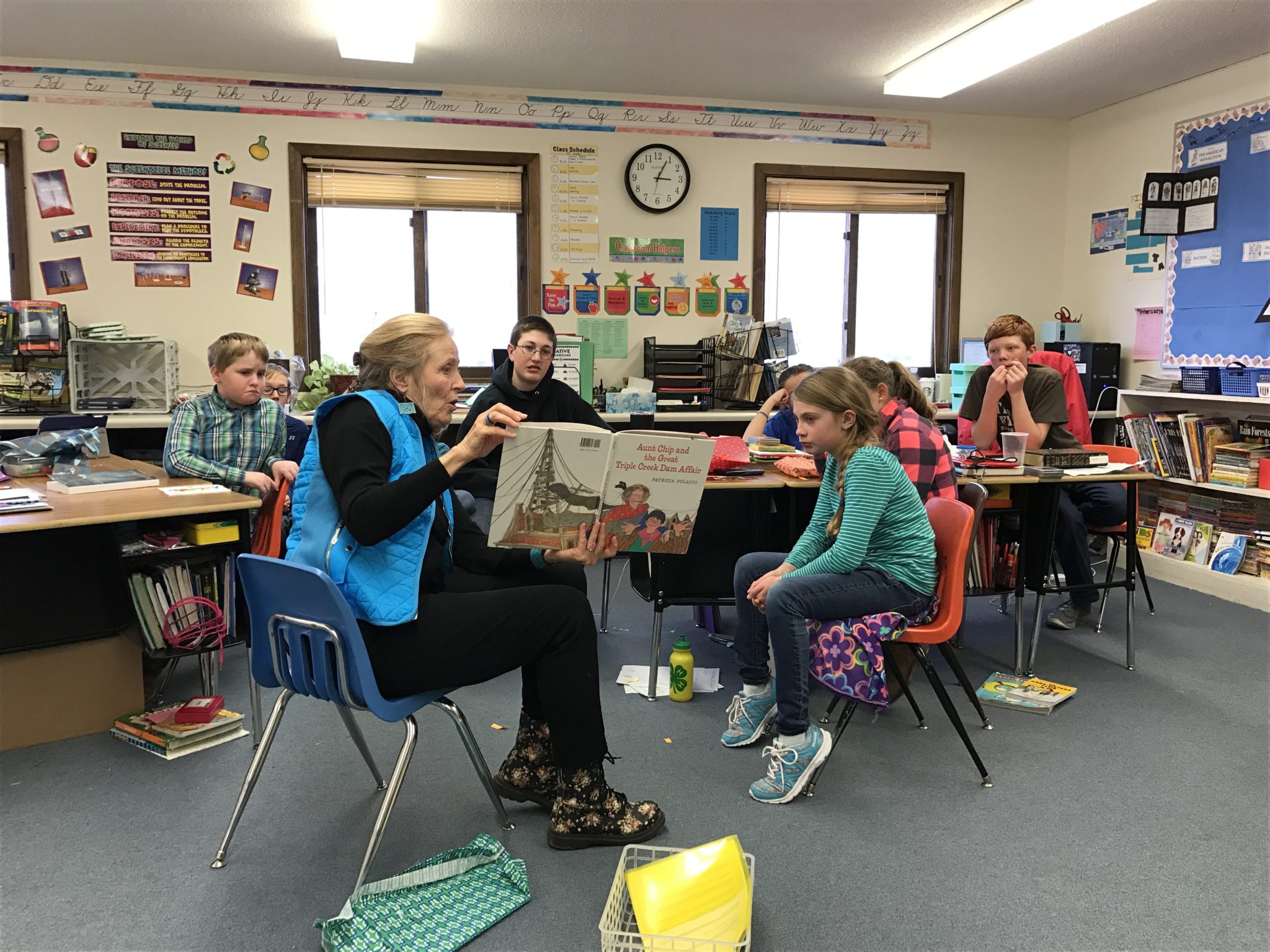
Patricia Polacco: I loved her Aunt Chip and the Great Triple Creek Dam Affair.  

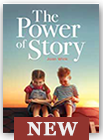
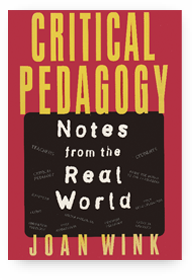
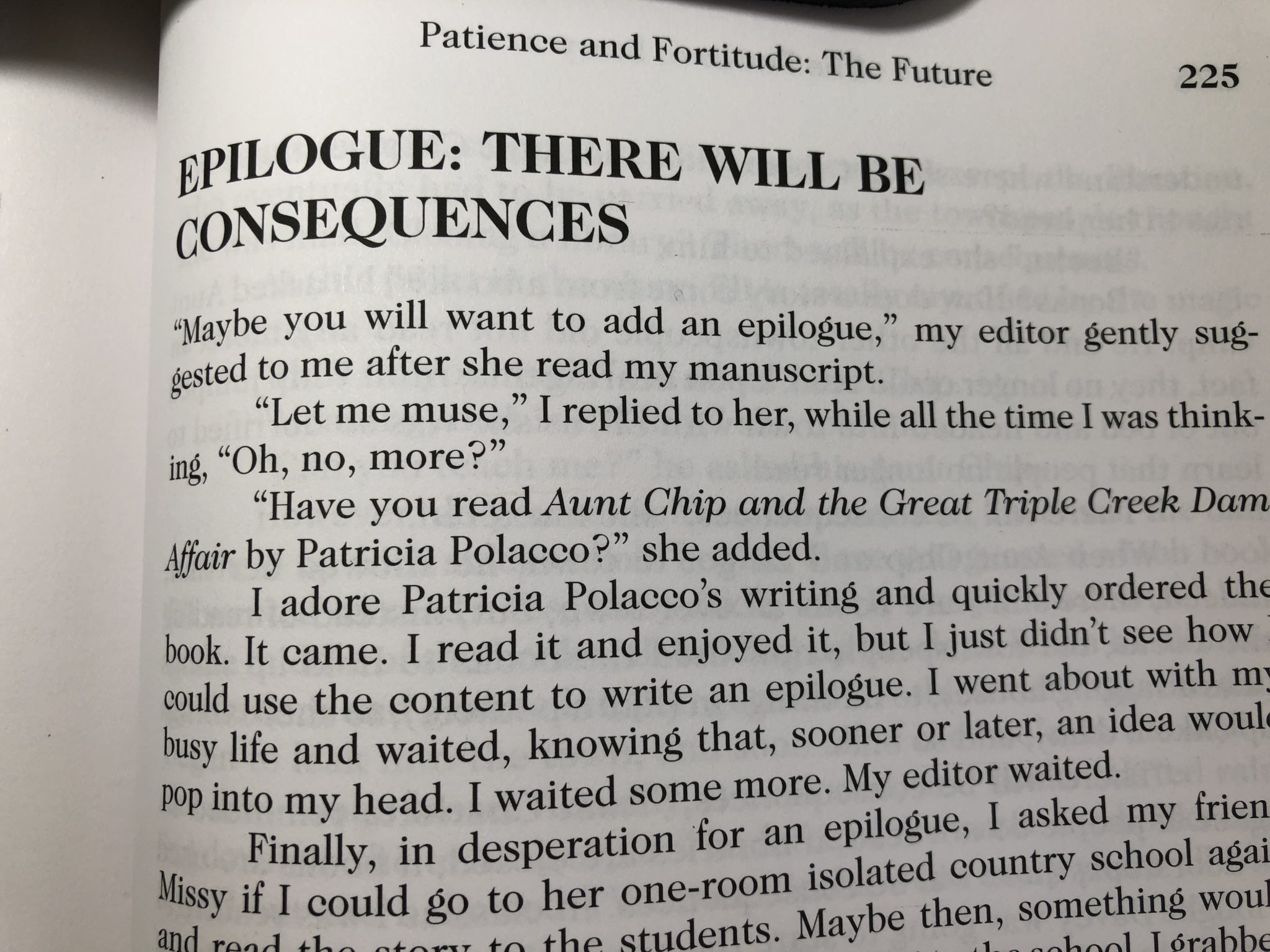
Oh, Lisa, this is the perfect place for me to end this WinkWorld, but just wait until you read the last story in The Power of Story.  I just mailed you a copy, and I am sure you will turn to p. 225 first.  Happy reading.

Here we were last year reading Patricia Polacco’s magical book, Aunt Chip and the Great Triple Creek Dam Affair.  This experience inspired the final story in The Power of Story.  Lisa did not know any of this when she answered my questions on reading her 2,648 picture books during the past school year.

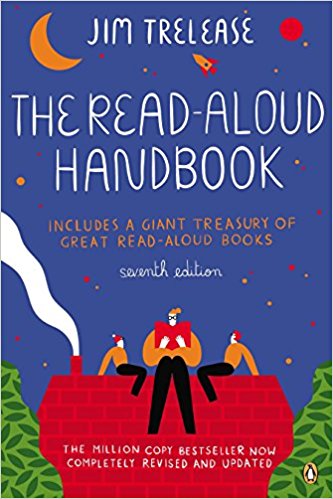
Thank you, Jim Trelease, for your 7 editions of the fabulous book, The ReadAloud Handbook.

June 24, 2018Read More
Why read? Rosie Rae and “Russ on Reading” Have the Answer

Why read? Rosie Rae and “Russ on Reading” Have the Answer


Dear WinkWorld Readers,

Russ Walsh (Russ on Reading) and Rosie Ray, 4th grade student, tell us how to encourage reading and why it is so important.  Thank you Russ and Rosie Rae for sharing with us.

Russ on Reading, June 17, 2018

Fostering a Love for Reading in Children

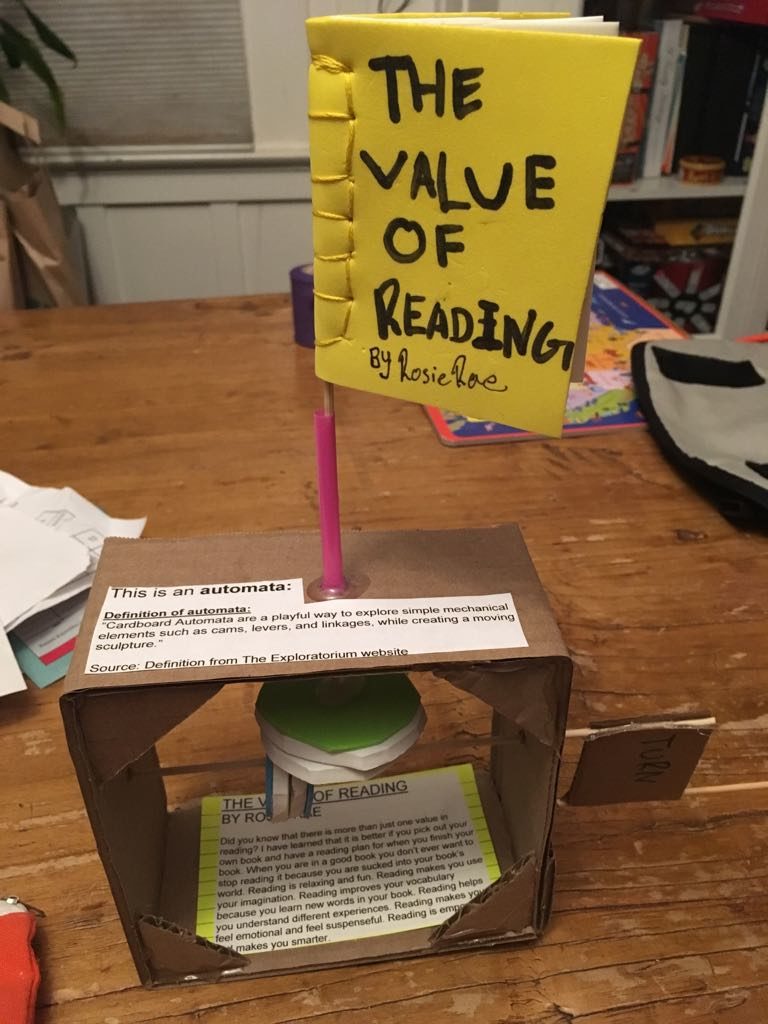
Rose Rae fell in love with reading this year in her fourth grade class.   Her mama, Amy, is a teacher and does a lot with MakerSpace teaching & learning. An automata is a moving sculpture, which moves when you turn the handle.  I think Rosie Rae has been watching her mama.


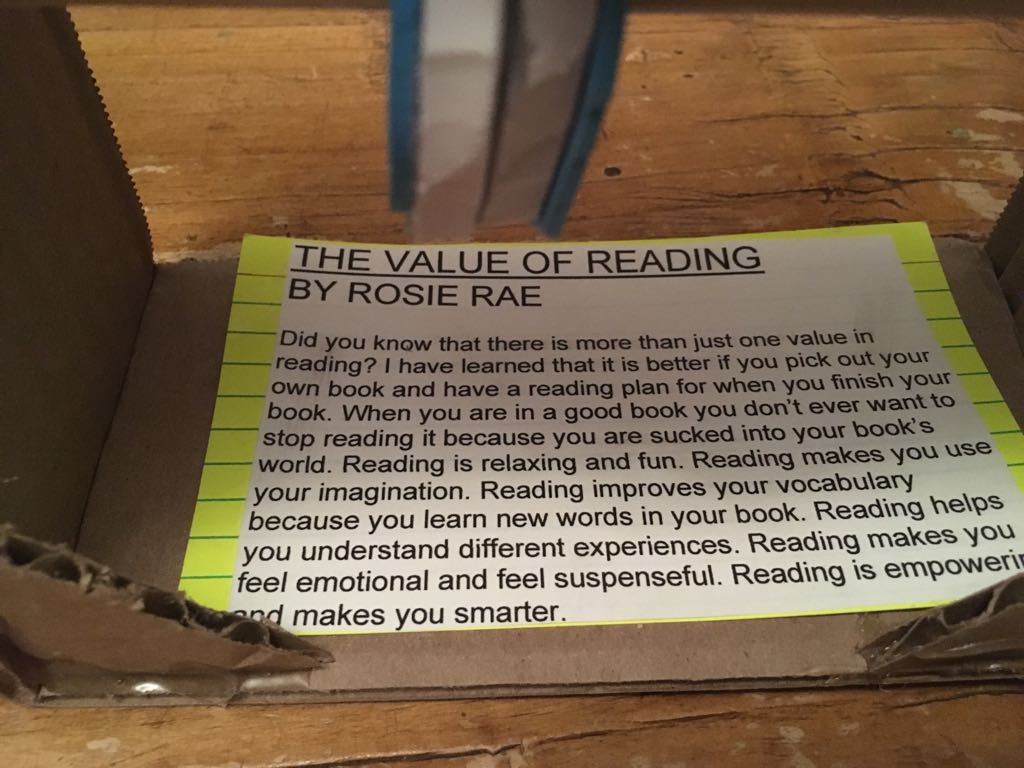
Rosie Rae tells us why reading is important. 


June 19, 2018Read More
TAA (Texbook & Academic Authors Association)

TAA (Texbook & Academic Authors Association)

Dear WinkWorld Readers,

For years, my dear friend and colleague, Dr. Pam Sharpe, has told me to join TAA, and for years I have resisted joining any more professional organizations.  Now,  I am actively not paying all of the annual membership dues to various professional organizations, as I try to do less.  However, I couldn’t resist trying TAA and their annual conference in Santa Fé, NM last week–Better Late Than Never!  FYI: Pam’s 16th addition of Pass Key to the TOEFL iBT from Barron’s will be available by TESOL 2019.

TAA is inter-disciplinarian and provides a wealth of resources for academic writers. I am particularly interested in their information on the rapid changes in the publishing industry.  I also think that I  benefitted greatly from their sharing of the new approaches to all of the digital literacies.

As I write this little summary, I am reminded of all of the one-page summaries I used to write for my CSU graduate classes, after I returned from a conference.   Interesting that now I can share more broadly in case any of this information works in your own world.

Here are a few of the new interesting colleagues and a peak into their area of expertise.  

GeoPrimer: TAA, Enchantment, and Santa Fe
Presenter: Robert Christopherson, Author of Geosystems

TAA conference always begins with a GeoPrimer.  How many times have some of us been to a conference in a beautiful fascinating city, but we just never got outside of the hotel to explore? Guilty.  TAA sends one or two of their members to visit the host city to explore and learn of some of the local interesting sites.  The TAA colleagues shared their discoveries for only 15 minutes, and I learned so much more Santa Fé, NM.

I also noted that on the first day of the conference in the early a.m., TAA provided free headshots of the participants.  What a great way to get everyone out early to register for the conference together. 

The Critical Importance of Scholarly Discipline
Presenter: Kent Anderson, CEO of RedLink, past-President of the Society for Scholarly Publishing

I had never heard of Kent Anderson previously, but I will never forget his thought-provoking and disturbing look at the effects of algorithms on our world.  His data were complex and revealing, and I believe his bottom-line was:  Algorithms control us all now. Never trust an algorithm.  His answer to the intrusion of algorithms on the social and political context of the world: The intervention of good humans with values.

One surprising thing he told us: Of all of the social media, Snapchat is the only one which uses real humans with values to intervene and delete the fake news which comes through algorithms.

Hunks, Chunks, & Bites: Plan Writing Projects So You Actually Complete Them!
Presenter: Meggin McIntosh, Professor Emerita, University of Nevada, Reno

So where was Meggin when I needed her 30 years ago?  I walked into her presentation, assuming that she couldn’t tell me anything, which I didn’t already know.  Silly me.  And, she had such an engaging way of sharing her many resources. Check her out at Emphasis on Excellence of Reno, NV. Click on the HOME below for Meggin.

Home

Getting Started With Social Media
Presenter: Katie Linder, Director, Ecampus Research Unit, Oregon State University

Katie had a lot of information to share re: social media. I was particularly interested in her creation of podcasts. #YGT_podcast

Studies Weekly is new to me, but I had an interesting conversation with two of their lead people re: the new literacies for kids.  Le Putney, it was very affirming for our Visually Vygotsky ideas.

Claudia Sánchez from Texas Women’s University – She is using Spanish language proverbs, poems, etc. with children so as to inform the curriculum of the Teacher Education program.  If any of you are interested, I can help connect you.  It sounds like she does not yet have anyone collecting data on the program.  It so reminds me of some of the programs at the University of Arizona throughout the years.  I first learned how to incorporate the poesía, trabalenguas, canciónes, proverbios through Beto Guerrero, a.k.a., mi maestro–one of my all-time fav teachers.

Finally, pexels.com

There are many places to obtain photos and images online–all with various levels of acknowledgement and payment.  Pexels definitely has my attention, and I have used their images in this WinkWorld.

Thank you, Pexels.

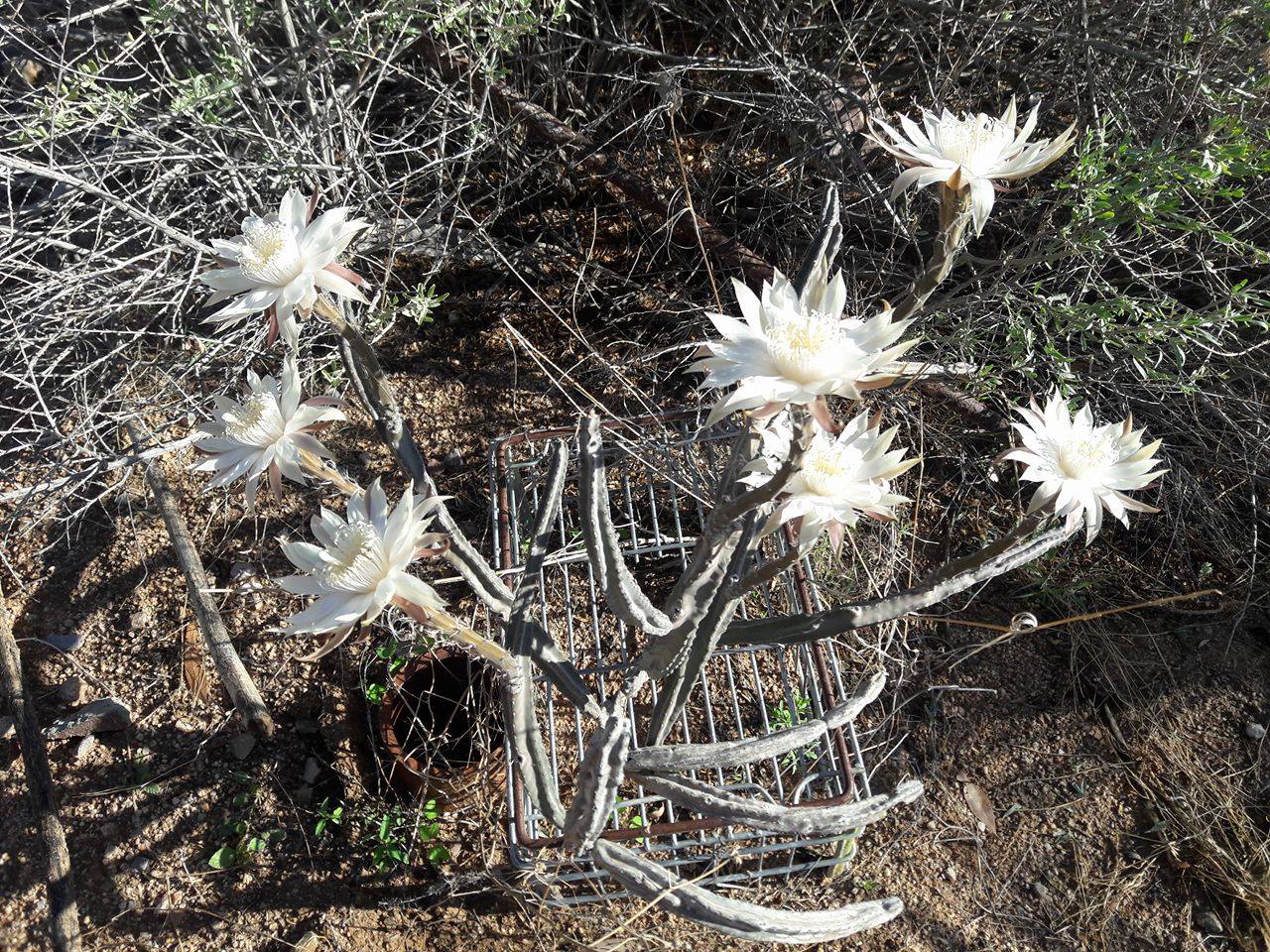
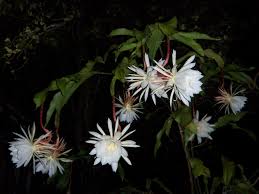
However, the following image came from my dear friend, Norma Hughes of Benson AZ.  After she read the previous WinkWorld with a mention of the Cereus night-blooming cactus, she shared photos of her plant, which looked dead last week when I was there, and then suddenly burst with gorgeous blossoms during the night.

To view the archive of previous WinkWorld, click WinkWorld News.


June 18, 2018Read More
Synergy Is Synergy: Joan Sandin, Sister Bourne, & A Night-blooming Cereus

Synergy Is Synergy: Joan Sandin, Sister Bourne, & A Night-blooming Cereus

Dear WinkWorld Readers,

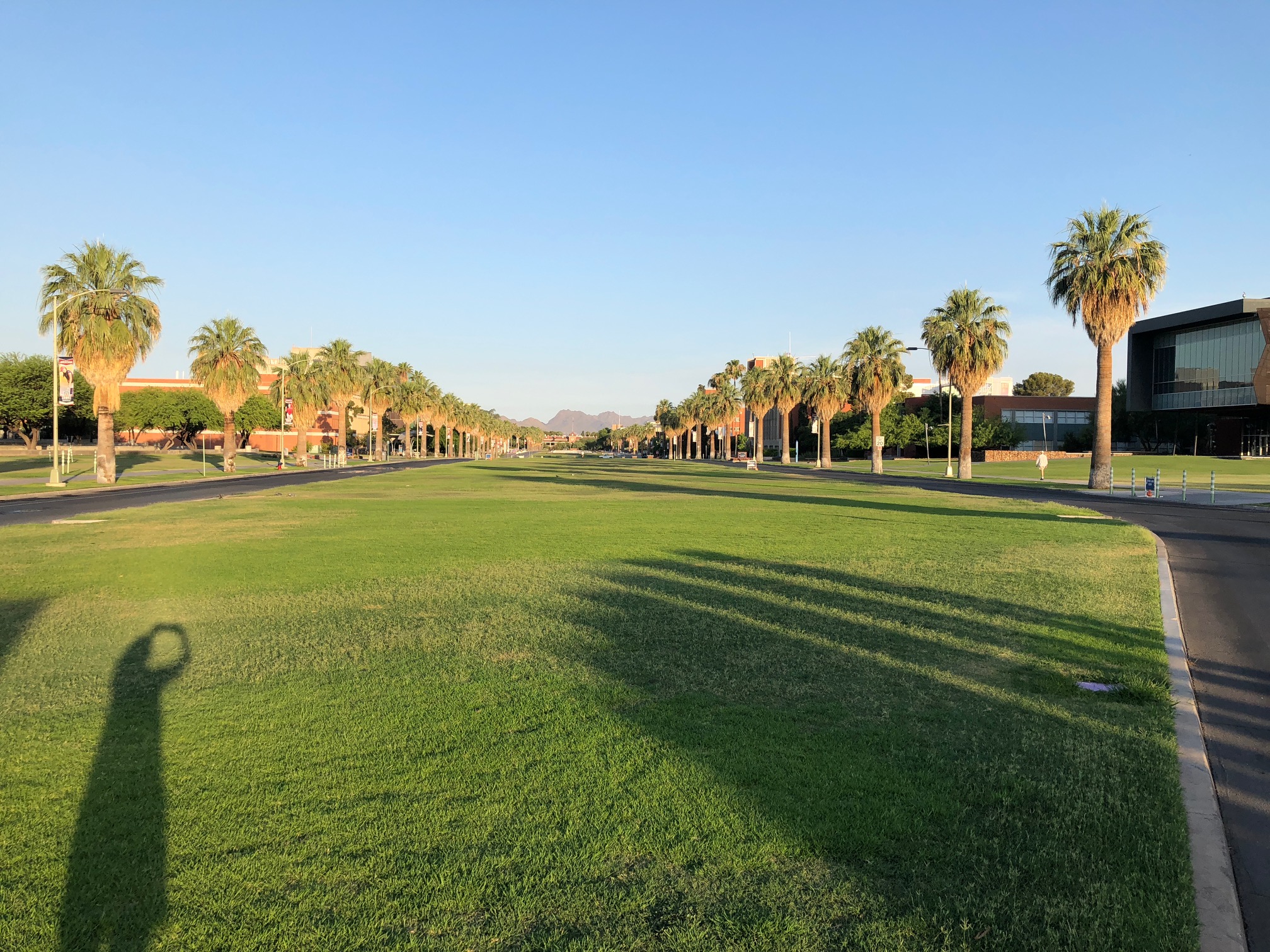
On my walk to the University of Arizona this morning, I re-learned that “synergy is synergy,” as my colleague Paul Ennis says.  As I was walking to campus, I bumped into Joan Sandin, who is a friend, colleague, and artist I admire greatly. I have written about her previously and will re-post at the bottom. 

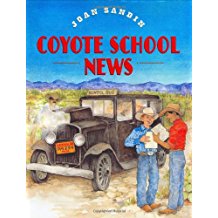
Here is one of Joan Sandin’s creations, Coyote School News, a book honoring another heroine of mine, Sister Bourne.   In this book Joan write and illustrates the story of Sister Bourne and her students.

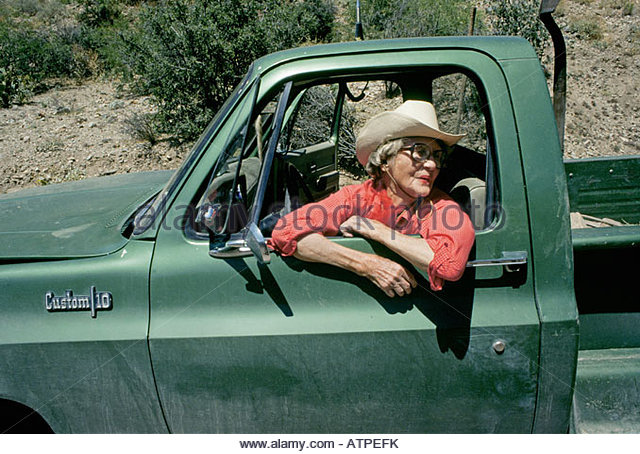
The photo below is of Sister Bourne, whose students in rural AZ wrote and published many years ago, The Coyote School News.

The students at Atall School in Meade County, South Dakota are now writing and publishing The Prairie School Post, which is inspired by the newsletters which Sister Bourne’s students wrote many years ago. I am posting a WinkWorld where I mentioned The Prairie School Post at the bottom.

While I was visiting with Joan Sandin, she told me about her night-blooming cereus, which had bloomed the previous night. On my early morning walks, I am always looking for that glorious night flower, before it fades in the early morning light.

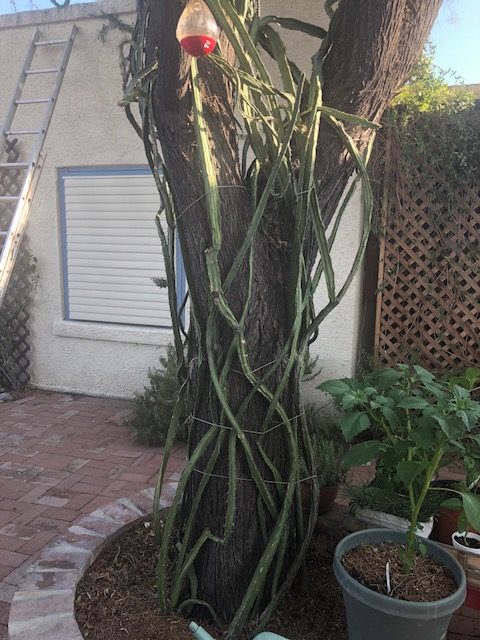
Below here is a photo of Joan’s large night-blooming cactus, which is growing up a tree in their back  yard.

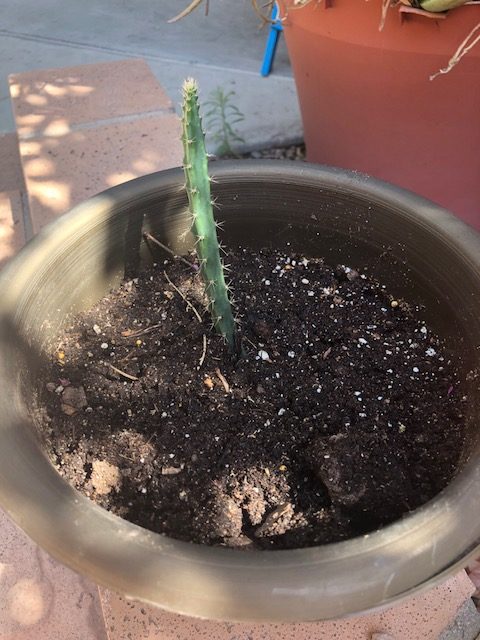
Here is a photo of a cereus shoot, which she gave to me–now, I must live long enough to see it bloom!

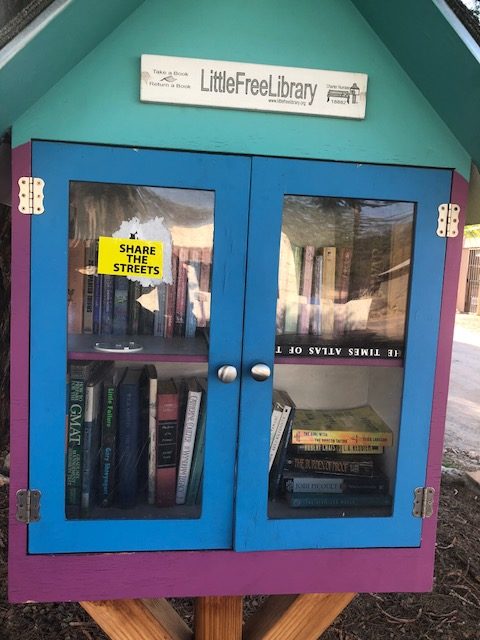
Joan also has a little library in front of her home.

While walking in Tucson, I just sort of walk from little library to little library, as there are so many.  Prairie People at home, I sure hope you are taking books from my little library.

Of course, I had to make a quick stop here.

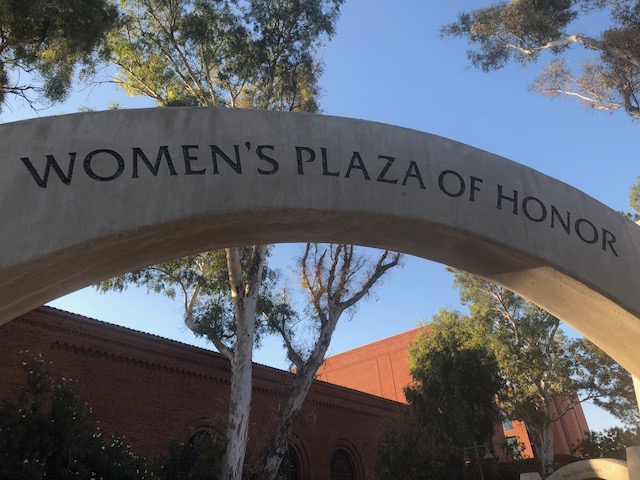
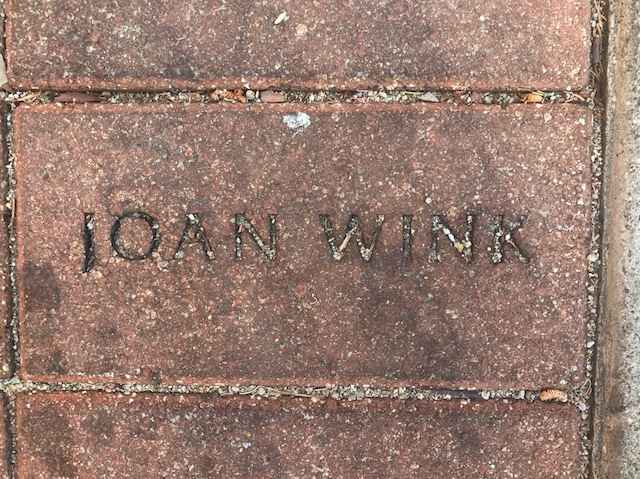
Looks like my treasured brick needs me to bring a cleaning brush on my next trip to my dear desert.

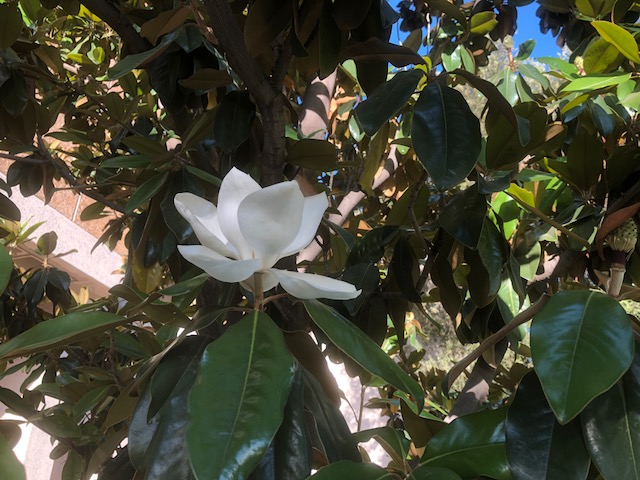
I even found magnolia trees in bloom.

I wonder if the UofA would hire me as a dead-header?

Two re-postings below here:

Joan Sandin and night-blooming cereus were previously-mentioned in this earlier WinkWorld post.

GLAD: Guided Language Acquisition Design


Previously, I have mentioned The Prairie School Post; here is an earlier post.

Jack Frost or Robert Frost?

June 8, 2018Read More
Branding and the Day After

Branding and the Day After

Dear WinkWorld Readers

For my non-prairie friends, the annual branding is a big day in the year. 

Branding Day

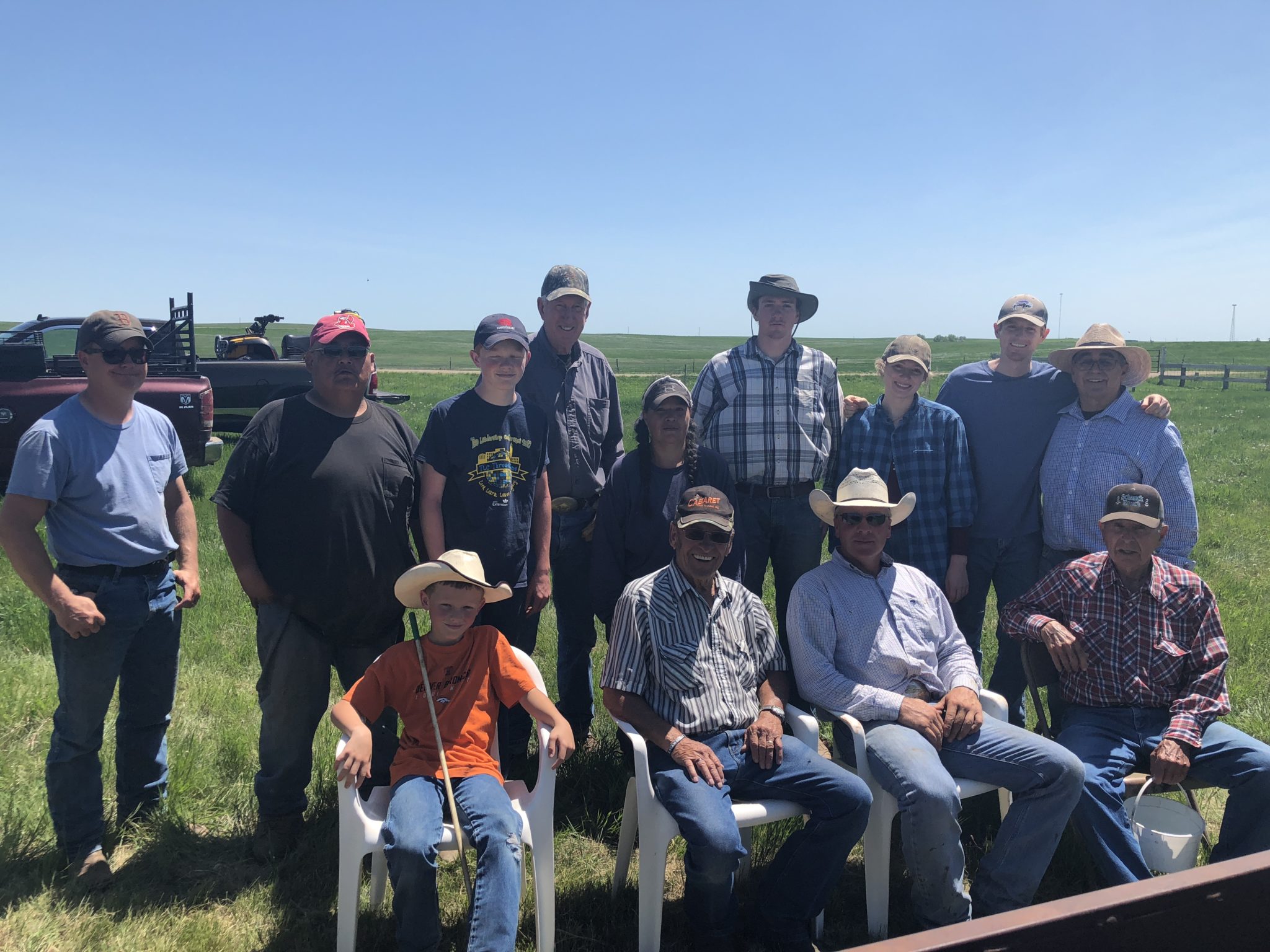
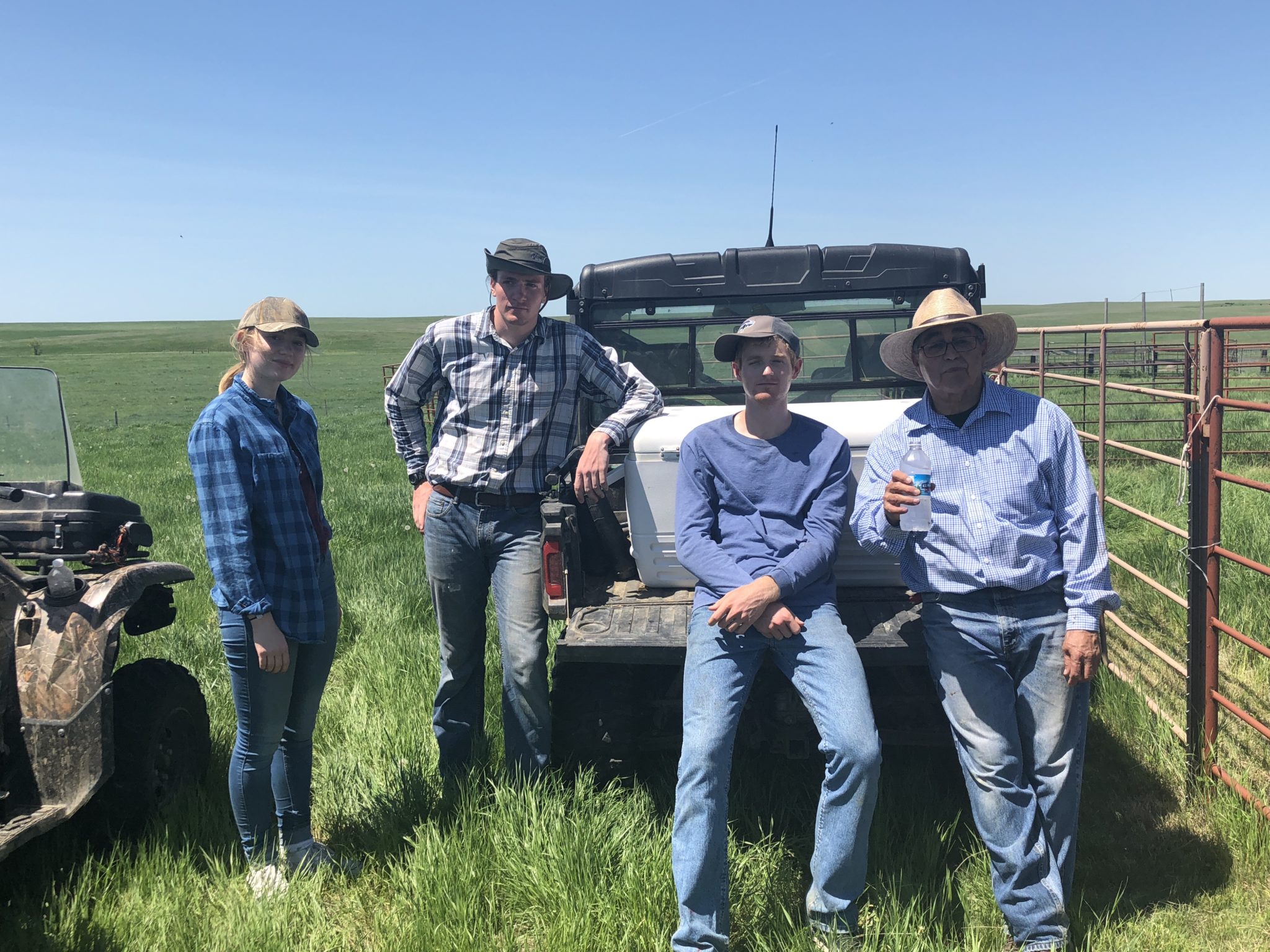
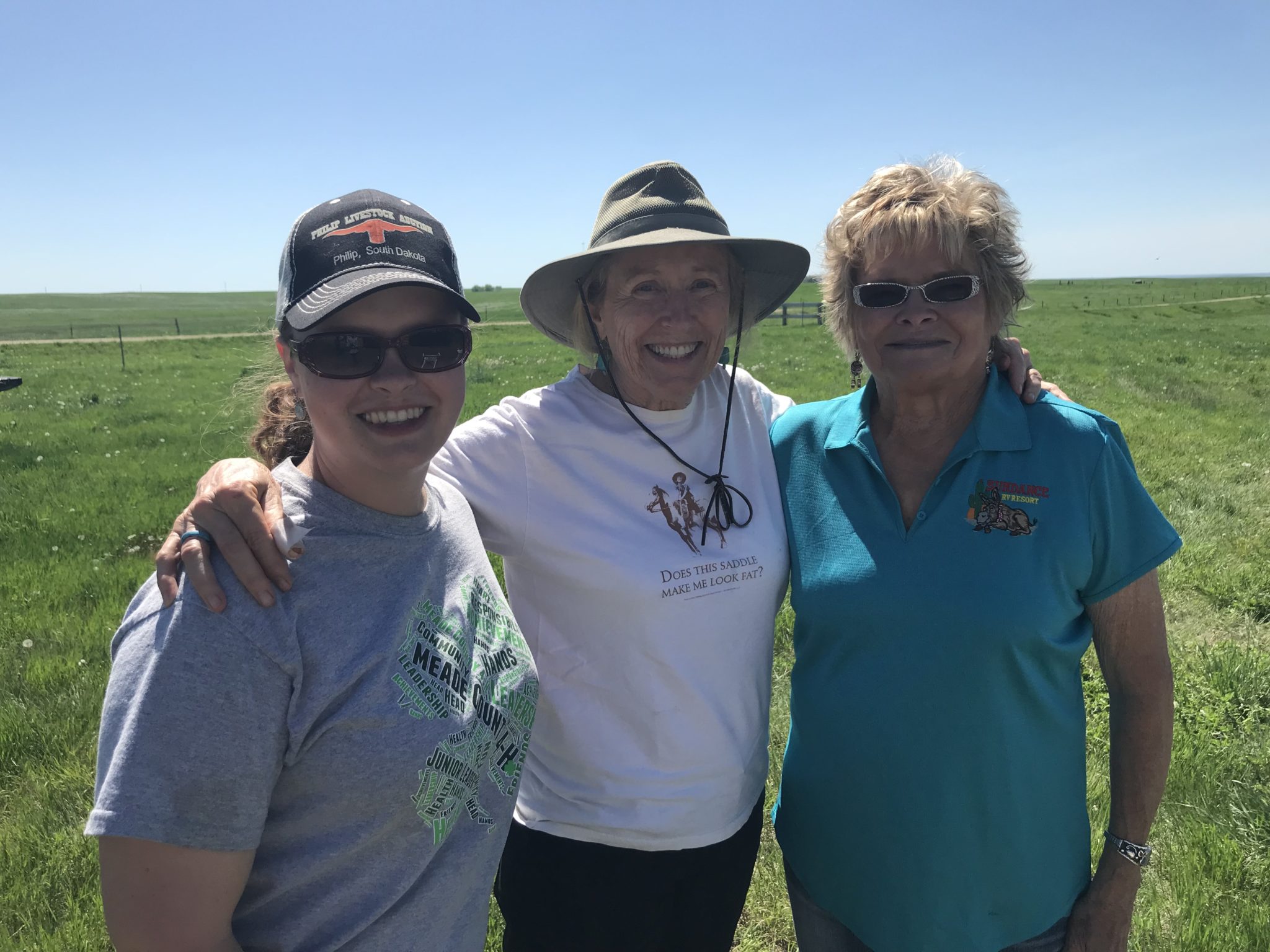
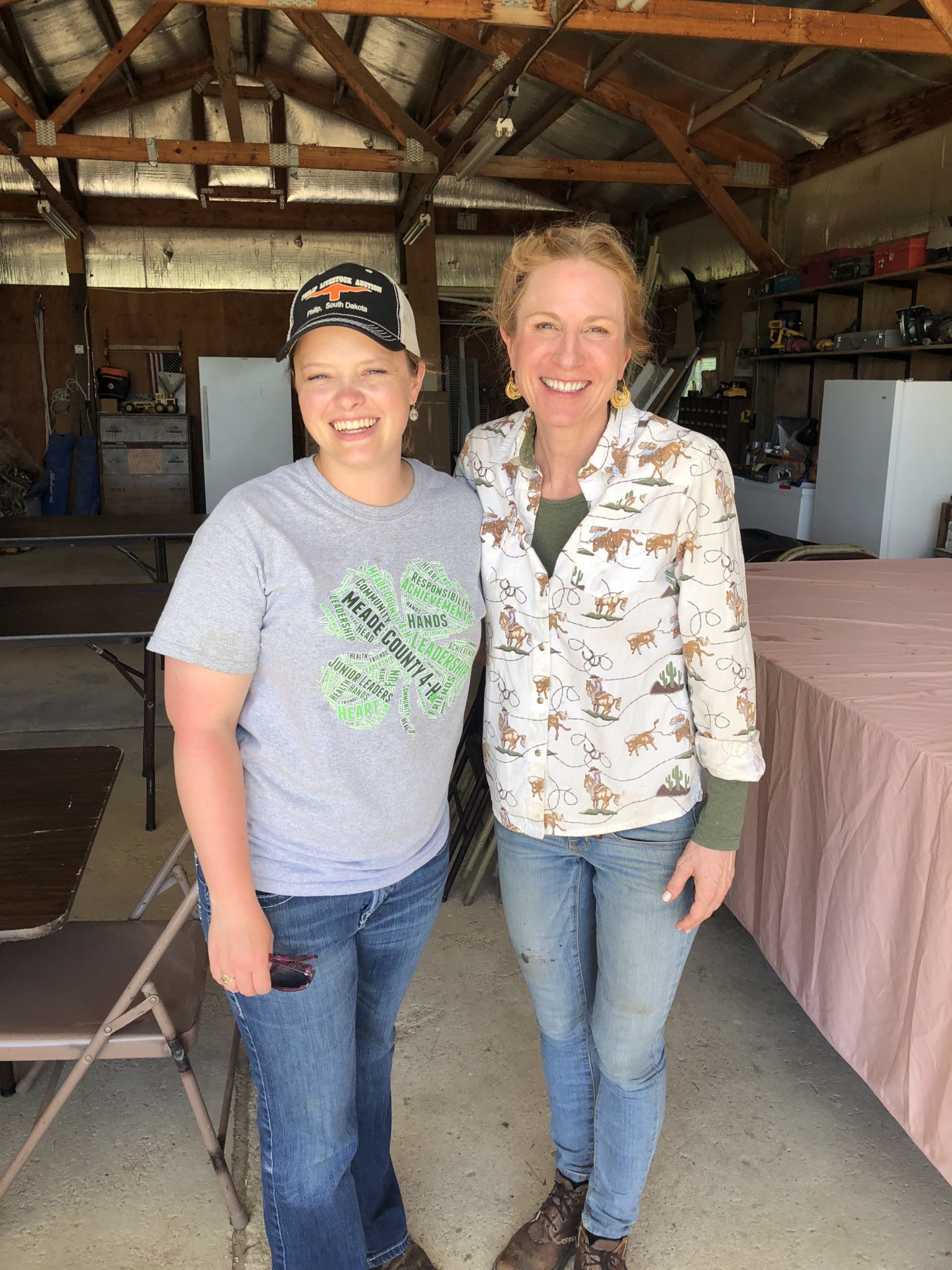
Here is a little glimpse of our branding 2018.

Family and friends come to help and have fun.

My peeps.

Cousin Love

Cousin Love Continues

The Day After

The day after branding, we like to rest and maybe even bask a bit with relief that a big, annual job is done again.  This year, I was quietly planning on starting another Isabel Allende novel.  Often, Wink is busy checking on the calves and shutting down the branding area. I am usually busy putting large serving dishes away; putting food into smaller containers; washing lots of dishes and floors; washing sheets and towels, etc. 

But, this ‘day-after’ took on special significance when the main sewer drain stopped draining, which led us to a full-rich day searching for the problem, fixing the problem, and cracking bad jokes, which I think only prairie people will understand.  For example, Wink did mutter: “After branding, the real s**t begins.”

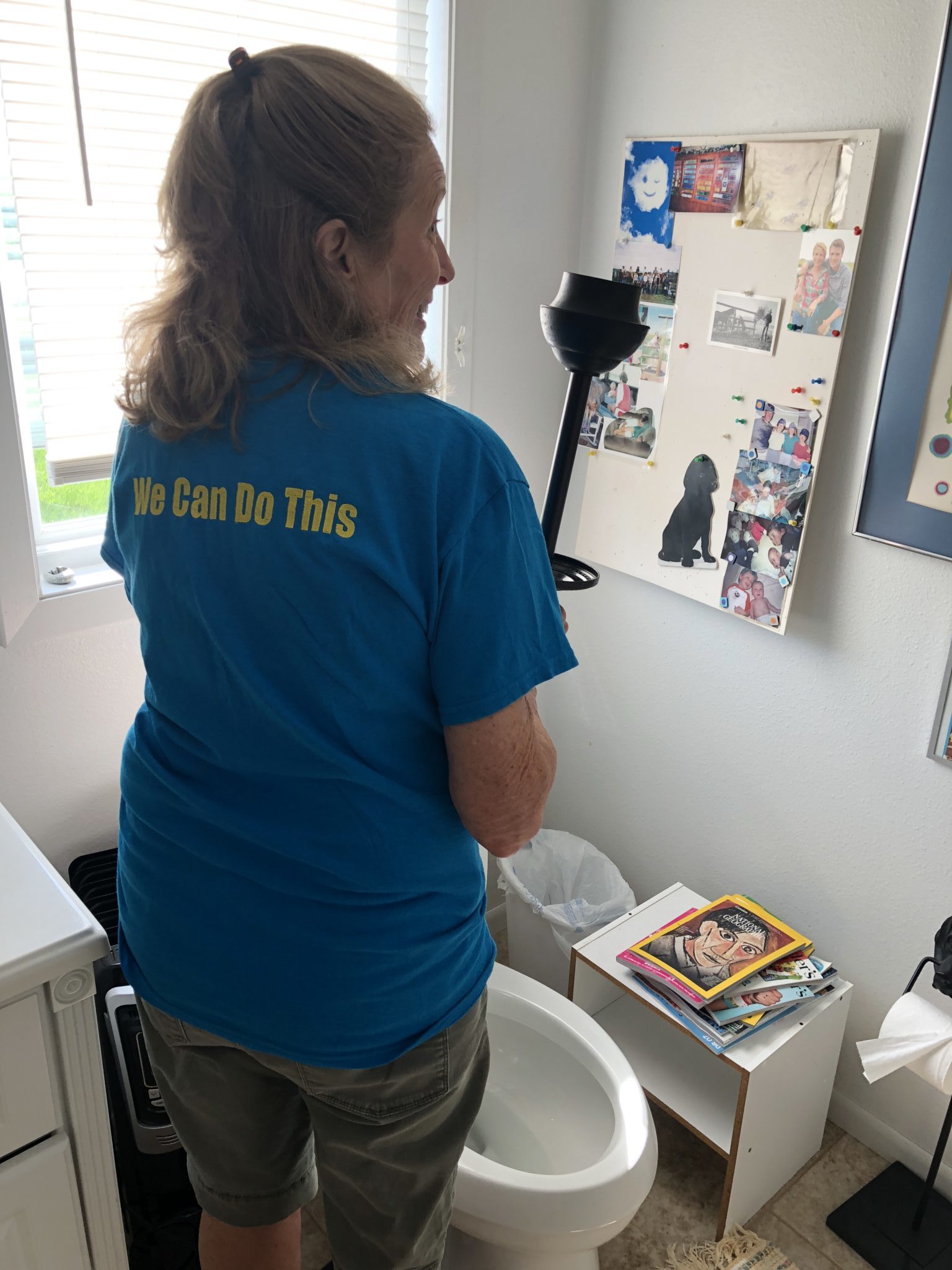
When we first realized the problem, I needed to run and dig out a special t-shirt. This shirt has special meaning, as when I retired from CSUS, the then-president gave me this t-shirt.  And, when I asked  what the meaning of the shirt was, she said that this was what I replied when people gave me a difficult task and a short timeline. Since then I have been known to mail similar shirts to friends, when they meet a road-block in life.

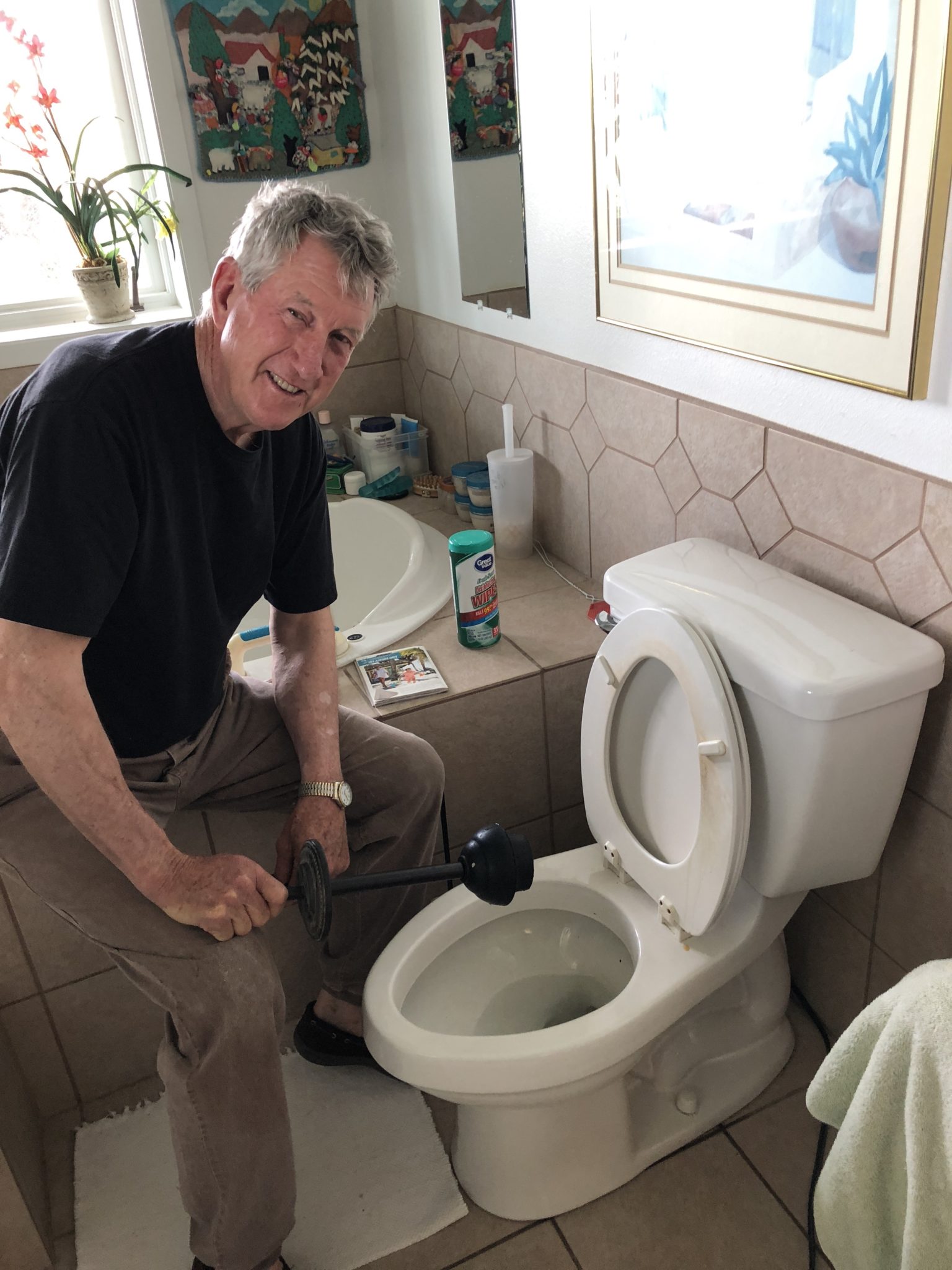
You can see that Wink does not have a special -t-shirt, yet.  And, incidentally, that toilet has now been moved, so we can really get-to-work.  Turns out that Wink’s 12 ft. sewer snake was not long enough, so he ‘slipped’ into town (2 hours away) to buy a longer one. Due home soon, so my WinkWorld writing will abruptly end.

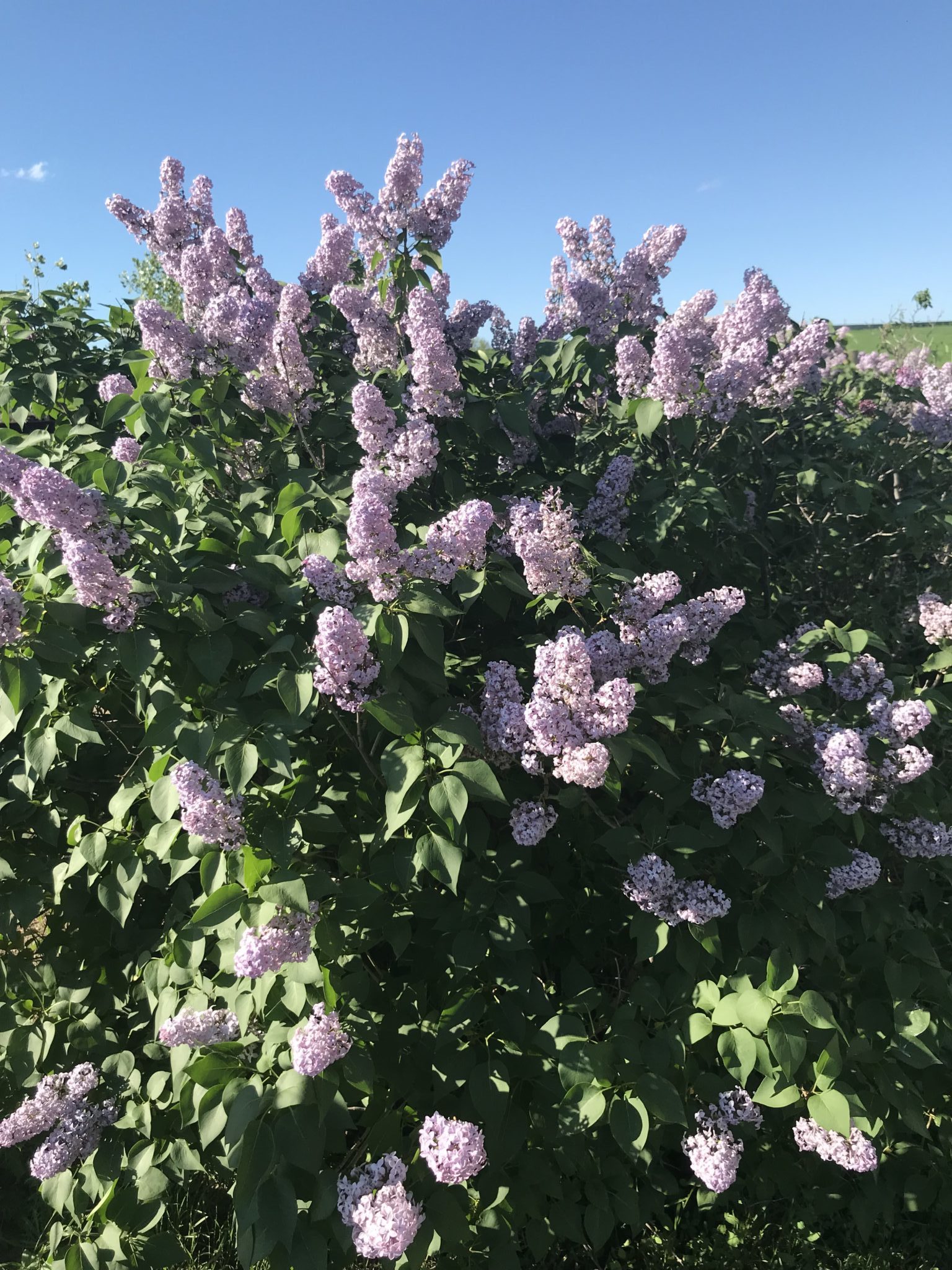
Grandma Grace’s lilacs bloomed for branding this year.

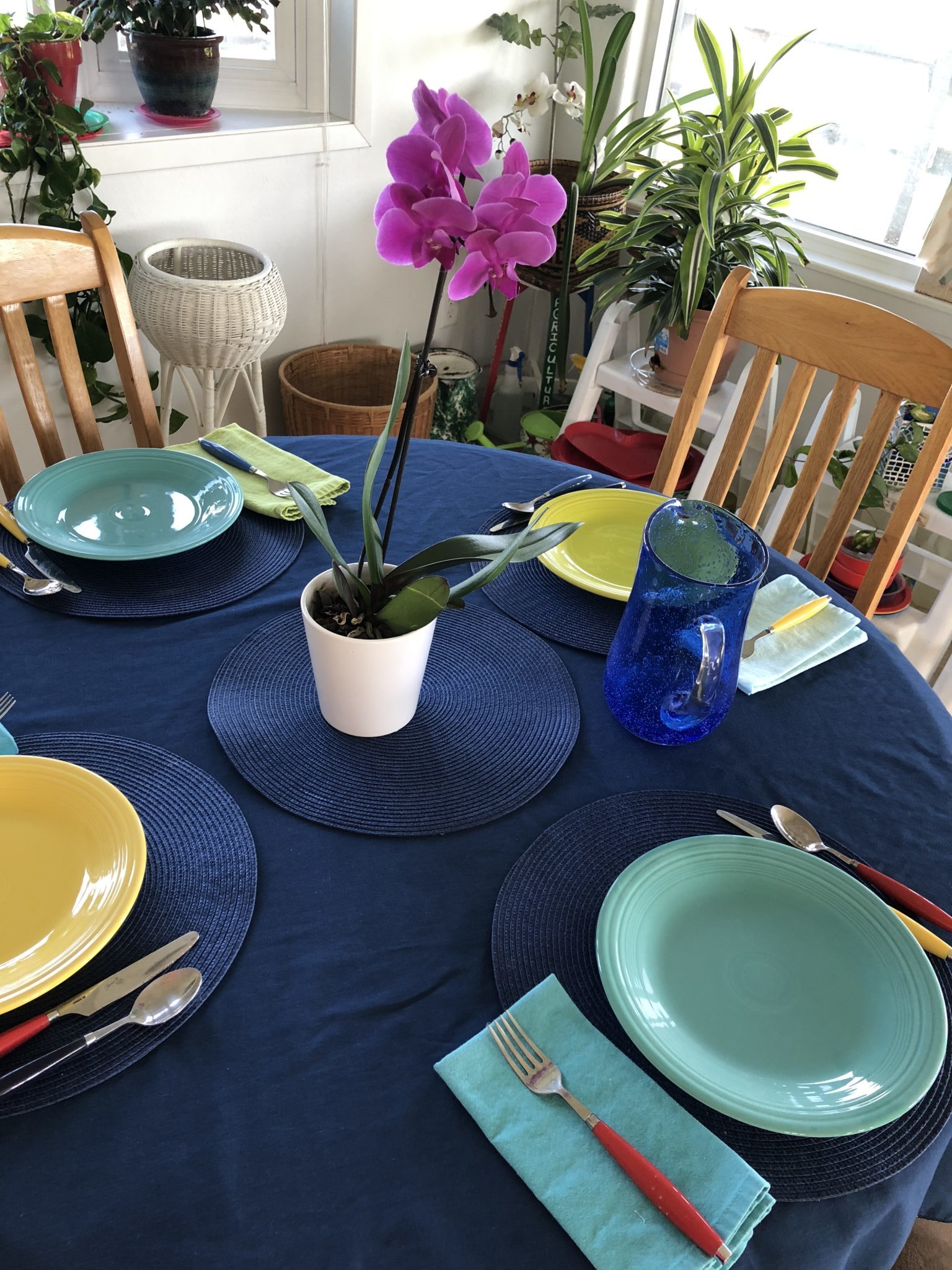
And, not everything is a mess today on the ranch.

Best Quotes I overhead:

“This is the best week I could have had.”

“I have never seen it this green.”

“Those things are heaven on earth.” (said when speaking of Grandma Mary’s bean recipe)


May 28, 2018Read More
Sanford Underground Research Facility: a.k.a., Grampy’s Old Homestake Mine

Sanford Underground Research Facility: a.k.a., Grampy’s Old Homestake Mine

Dear WinkWorld Readers,

Well, Homestake Mine of Lead, SD wasn’t really Grampy’s, but I did believe that he was the most important miner in the whole wide world, when I was a little girl, and he worked at the mine.  In addition, I was sad when the Homestake mine closed in the early 2000s.  However, it was soon after that we started to hear stories about the dream of changing the old mine into a new world-class research center.  Dare we hope? Yes, soon the State of South Dakota donated to get the ball rolling, and then Denny Sanford donated more, and Sanford research lab one mile down into the earth was off and running.  I was lucky enough to visit (March 17, 2018), and  I kept hearing words like, billions of dollars–a capital B and a capital S: Many groups are supporting the research now.

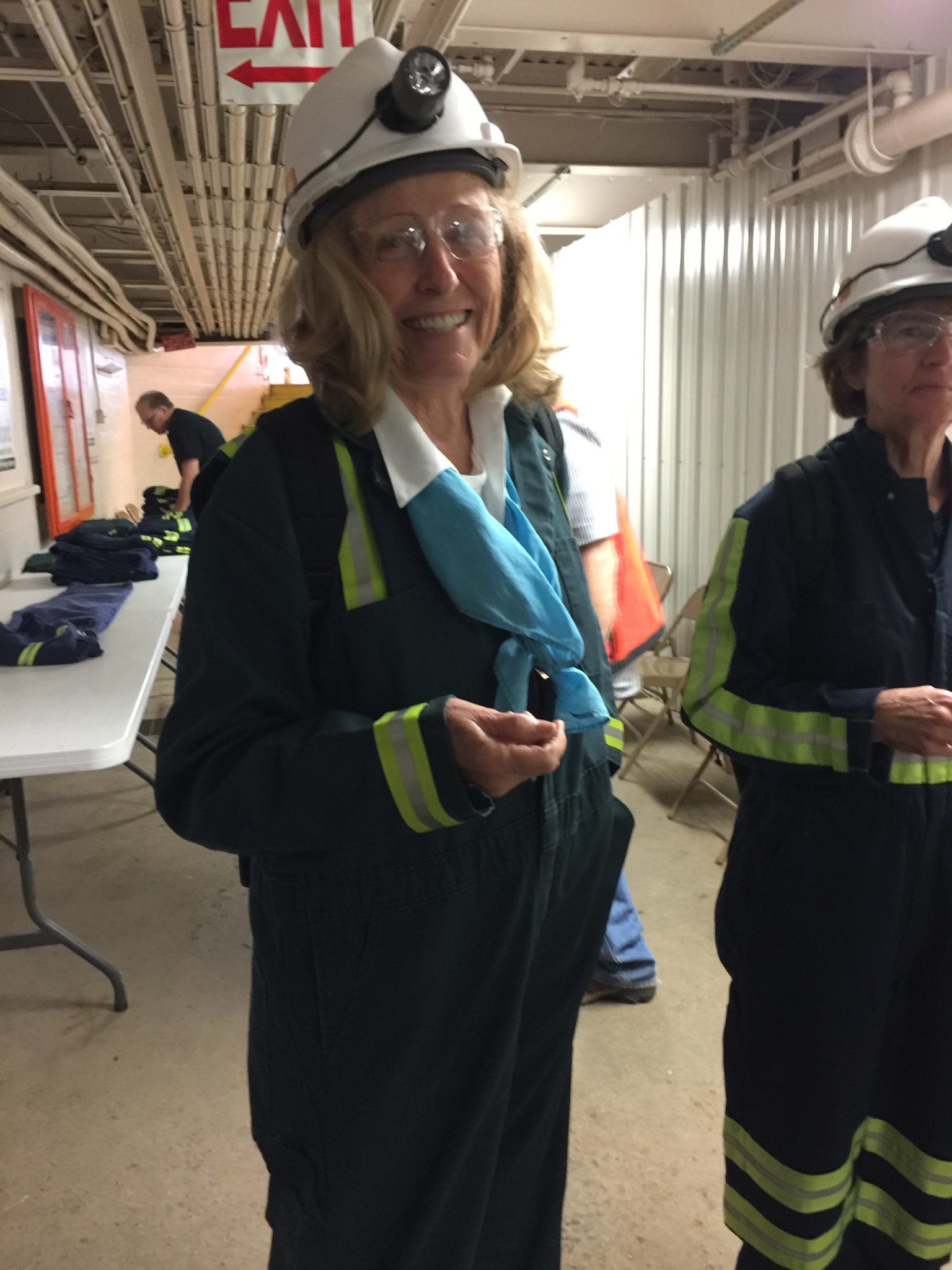
As soon as we had on our helmets, goggles, jumpsuits, and had signed all of the disclosures forms, we were ready to go down.

So, off we went, jammed in an old cage to the 4850′ to search for the the secrets of the universe.


Now, please remember that I am not a chemist, nor a physicist, much less an astro-physicist, but as I understand it, they are conducting the various research projects at this level because that mile of dirt protects the projects from the rays of the sun.

These various research projects take place in different caverns, ooops, I mean, on different campuses underground, and we traveled from campus to campus via their little train.

President Jim Rankin of South Dakota School of Mines and Technology and Dr. Wendy Rankin are in front of us. This little 11 sec. video gives you a sense of that train ride from one campus to another.


Here is the same 11 second video on YouTube, if you prefer.  

The research involves various universities, agencies, and countries, but of course, my 2 favorites research groups are South Dakota School of Mines and Technology and Black Hills State University.

The research seems to be searching for the missing mass of the universe? Matter and anti-matter: Where is all of the anti-matter? What is a neutrino, and why do they shoot them underground from Illinois to SD? What are the secrets of the universe?  And, if I heard correctly, one of the experiments is attempting to reproduce what is in the sun.  And, no, I did not see the sun down there. But, as the Lakota and Carl Sagan taught us: We all come from the sun.

CBS news video (6 + minutes)

The Davis Campus: Underground it is even divided into different campus.  The Davis campus is named after Ray Davis?

Who is Ray Davis? He did slow, methodical research way underground for 30 years.

This 14 minute video pretty much reflects my experience going down in that cage, which takes 12 minutes to get to the 4850′ level.  As I understand it, this little yellow cage only takes 3 minutes when it is loaded with rock on the way back up to ground-level.

Thank you to John Dagit for posting the following video.


Talk about Research Rapture–I cannot even imagine how these physicists must feel about their work.  It was absolutely thrilling just to hear them talk about their projects.   However, I did ask several of the physicists and astrophysicists IF any of them were writing stories for kids of all ages.  I think we need to capture the magic and the mystery of these research projects in order to engage children and teenagers with such important concepts.  For example, why not a book about “What is a neutrino?” or “Who is the Ray Davis?” or “What do you mean we come from the sun?”

OK, Neil DeGrasse Tyson’s book, Astrophysics for People in a Hurry has been on my stack of books by my bed far too long – time for me to read it!  He makes complex information comprehensible and intriguing for me.

Previously, I wrote about Research Rapture, and I thought of this post when I was in Sanford Mine.  Here it is again.

Research Rapture and The Din In The Head

May 25, 2018Read More
Why a School Is Not a Business

Why a School Is Not a Business

Dear WinkWorld Readers,

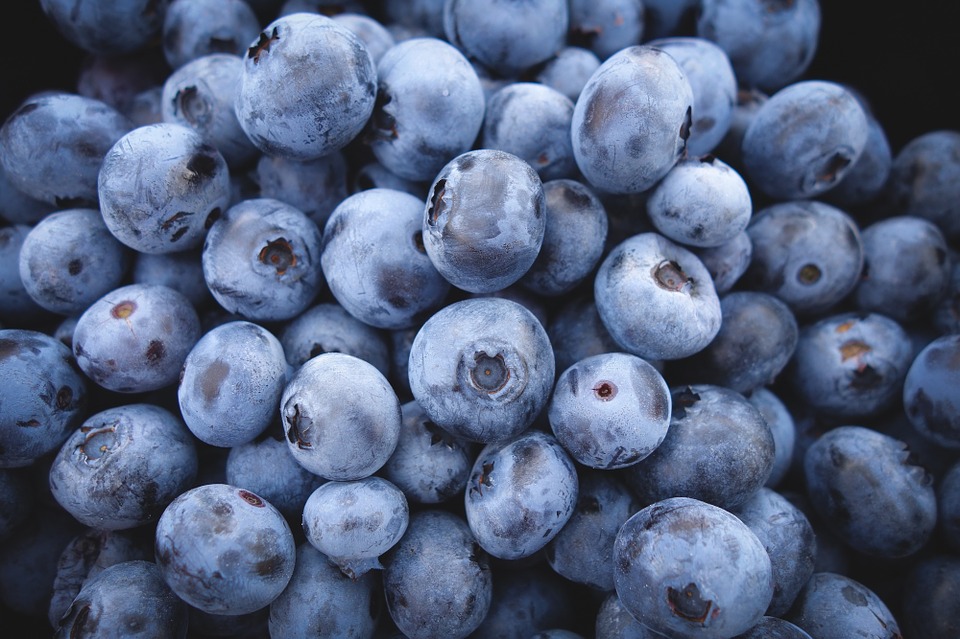
A special THANK YOU to Jaime Volmer for sharing this story about blueberries with us.  It might help you understand the differences between a business and your local public school.

The Blueberry Story


May 18, 2018Read More
Why humanities?

Why humanities?

Dear WinkWorld Readers,

Recently, I read several articles about tech companies searching to hire humanities graduates. I will post a few of these at the bottom of this blog post. 

Then last week, the president of Dakota State University (DSU), our South Dakota cyber security/tech-centered university, posted a brilliant short essay on the humanities. 

Turns out that thinking deeply matters.

Dr. José-Marie Griffiths, the president of DSU (a.k.a., small school/big science), shared this post in her weekly President’s DSUpdate, May 4, 2018. The essay was written by Dr. Joseph Bottum, a philosophy professor at DSU.  I hope you enjoy the one-page post, as much as I did.

The Humanities from Dr. Joseph Bottum of Dakota State University.

I encourage you all to explore the DSU webpages: Small, but mighty. Previously, I had posted the article below here.

DSU: What does a cyber attack look like?

Other articles about tech companies valuing the study of humanities are posted below.

Google

Washington Post and Google

Forbes and the “useless liberal arts” degree (with tongue firmly placed in cheek)

If you search with your browser window, you will find many more articles related to this topic. Happy reading.

May 11, 2018Read More
Research Rapture and The Din In The Head

Research Rapture and The Din In The Head

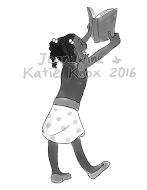
Thank you to Katie Knox for the images.

Dear WinkWorld Readers,

I am playing with several new ideas (ok, researching) for a couple of new writing projects. This is just a peek into the direction I am planning. An annotated bibliography is attached here, also, for those who are interested. I welcome your comments as my ideas feel delicate and fragile.

What In The World is Research Rapture?

“I don’t want to catch you in the library again,” I heard myself saying to the graduate student, who looked at me with a knowing, guilty grin, and then we both laughed at the ridiculousness and the truth of what I had just said. You see, the graduate student, Sharon, loved to go to the library and, well, learn. She would read and think and doodle and scribble for hours, days, and months.

However, now, it was time to write. It was time for Sharon to stop researching and begin writing. Sharon had a bad case of “research rapture.” She loved learning anything new about her topic; she loved preparing for her literature review.

Research rapture has nothing to do with the biblical notion of rapture, but rather it captures the concept of loving to learn so much that you keep reading and reading, and you fail to stop and write.

What In the World Is The Kid Din?

Kid din happens when you love a kid or a group of kids so much you just think about them constantly. When you are with them, you lose track of all time. I know what it means, as I have experienced it, and I made up the term; however, it does come from a well-established body of research of the din in the head (Barber, 1980). Barber first noticed it when she was in Russia using her intermediate Russian. She began to notice that “a rising din of Russian in my head: words, sounds, intonations, all swimming about in the voices of the people I talked with…. The constant rehearsal of these phrases of course was making it easier and easier to speak quickly (Barber, 1980, p. 30; Krashen, 2015, p. 7).

If you have traveled, you may have noticed the same thing. For example, when I am away from Mexico or any Spanish-speaking country, I can feel my Spanish slipping away from me, and I hate it. But, when I have a few days in Mexico or Spain, I feel my Spanish coming back and flying around in my head.  Next, I hear it coming out of my mouth, and I am relieved that I have not lost it. It really is a thrilling process for me.

Krashen (1983) wondered about Barber’s (1980) idea and even speculated that this din in the head experience might be when language acquisition is taking place, and thus is more common with those who are still in the process of acquiring language and receiving lots of comprehensible input.

I remember this early work well, and Krashen (1983) has a great little synthesis of further research, for those of you who are interested. However, what is fascinating to me now, is how the notion of the din in the head has expanded.

Other scholars just kept playing with the idea, too. Now, we have the reading din (McQuillan and Rodrigo, 1986; McQuillan, 1996); the melody din (Murphey, 1990); the visual din (Murphey, 1990, citing Ruth Weir 1962); the kinesthetic din (Murphey, 1990); and the intellectual din (Krashen, 2015).

However, I do not find in the literature anything about the kid din, which is the ecstasy I feel when I am with the 14 students of a small rural school on the isolated prairies. Those kids, their smiles, their giggles, their struggles, their books, their writing, their art projects, their days (like today) of suffering through top-down, mandated tests, their running and playing: It all just swirls in my head all of the time. I lose track of time. Murphey (1990) even makes connections to infatuation: Guilty.

In the new projects, which I am focused on, my plan is to connect the kid din (Wink, 2018, May 2 – you heard it here first, folks) to stories of these 15 prairie kids and what they are teaching me: We will call it, Prairie Pedagogy.

The first story is about one boy, who in the spring of his 8th grade year suddenly broke through a reading barrier, and within a matter of a few weeks went from being a reluctant reader to an avid reader. He started by grabbing Moby Dick one day, but soon he jumped to The Hobbit, which he devoured. From there he jumped right into Lord of the Rings. The previous year, his mom read three of the Harry Potter series to him, and now he finished the series on his own. This boy had a school cum file filled with words like special ed, non-reader, IEP: This all vanished one beautiful spring week, as his parent had the courage of patience–no small feat. They read to him, and they provided access to books.  Mostly, they were very patient.

WinkWorld readers, in my 2 new writing projects, I will connect research rapture with the kid din with ‘real’ and ‘fake’ reading. I am not yet ready to share my definitions of real reading and fake reading, but you really do know them already.

Even Pinterest has anchor charts of real reading and fake reading.

What In The World Is “REAL” Reading?

Wink, J. (2018), p. x.


What In The World Is “FAKE” Reading?
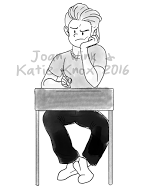
 

Wink, J. (2018), p. 104.

Here is the bibliography I have been developing.

Research rapture din in the head bib – 5-1-18
 

May 2, 2018Read More
Kelly’s Petting Zoo

Kelly’s Petting Zoo

Dear WinkWorld,

Readers, you know that my blog tends to be whatever is hanging out on my desktop or in my head. I am very interested in teaching, learning, languages, cultures, literacies, stories, and people: Mostly people–for example, Kelly.

I am fascinated by the lives of modern young women who live  on isolated ranches. In this issue of WinkWorld, I will tell you a little about one young woman, Kelly, whose life is reflective in many ways of how other young rancher women live. They seem to live in 2 different worlds or 2 different centuries.  I see that some of their challenges are not too different from those of my Grandma Grace, who homesteaded this ranch where we live. And, other times, I see these young women on social media on their phones, and I am amazed at their skills.

I remember several years ago, when Kelly’s clothes dryer stopped working. She had small children playing outside in the dirt, a husband whose clothes were often covered with dirt, manure, and wheat shaft, and there was no one around who could help her. So, she jumped on YouTube and figured out what the problem was and learned how to fix it.  Soon, her dryer was whirling again.  I know many people solve problems this way today, but Kelly was the first person I saw do it.   Now, I am convinced that she can, and often does, learn any skill needed by getting on the internet. For example, recently I know she learned how to make butter with cow’s milk and how to give an IV to a sick cow by watching YouTube.   

On the surface, this might appear to be a blog post only for prairie people, but I think this story is really for my friends, who live in cities, and have no idea about country life.  Many in cities have romanticized, nostalgic notions of life on a ranch, which have nothing to do with the reality of some of these young rancher women.

Meet my friend, Kelly.


Meet Kelly’s 5 kids. (and, yes, I am  crazy about each of them)


Kelly loves her family and her wild assortment of pets which include:

1 pony, Apple, 19 years old; 8 goats Richard, Mavis, Sheila, White Momma, Black Momma, and Luna + 2 baby  goats without names; 3 dogs, Gus, Bruce, Bodie; 3 cats, Henry’s Cat, Kinley’s Cat, and Casper; 12 chickens; 5 ducks (one duck only has one eye, because the other peck her, so she lives with the pigs);  2 potbelly pigs, Frank and Daddy; 1 nurse cow, Janice (who presently has 2 bum calves on her), plus she is pregnant; and 80 pregnant cows.  Kelly, Jesse (her husband), and their 5 kids spend many hours each day just feeding and caring for the various animals.  Their kids think that mom has her very own petting zoo.
Meet Henry spending quality time with one of his pets.

Kimber is soothing the mama milk cow, Carol.  Sadly, Carol died later of milk fever.

Here is Kelly with Janice, obviously another nurse cow who accepts the bums. Bum calves are those whose mama did not make it through birthing in a blizzard.


Recently, I noticed that Kelly and her two little boys had stopped at our Little Free Library. Incidentally, their ranch is 40 miles from ours.  This is considered all part of the community on the rural prairies.  She had to hurry home as she had a calf, who had lost its mama, in the back seat of her Blazer.  

Below, you will see Kelly with a calf in her car.  When a mama cow loses her baby, Kelly jumps in her car and drives 100 miles (one way) to pick up a calf, who has lost its mama in birth.  Kelly takes the new little bum calf home and skins the hide from the dead calf, and ties it on the new calf.  By doing this, the mama cow thinks the new calf is really the calf which she birthed and will then accept the new calf. Without that smelly hide, the mama cow would reject a new calf.  

Henry and Holden at our Little Free Library (LFL).

Here is Holden reading later that evening.

Here is Kelly oldest daughter, Kodi, dancing at the spring prom with her dad, Jesse, for the father/daughter dance.

Here are all 5 kids watching a movie.

Kelly loves her family, and when I read the following study about the benefits of hugging babies, I thought immediately of her.  Based on this study, and what I have seen, it is safe to guess that Kelly’s kids are very smart.

Study reveals: The more you hug your kids, the more their brains develop

Of course, the real story of Kelly is not what I am writing, but rather what I am not writing.  Her real story is hidden between my lines.  Maybe one day, she will tell her own story.  If we don’t tell our stories, they die.


April 15, 2018Read More