View Sidebar
Click on any book icon to see Table of Contents and/or to purchase a copy.

Articles by: Joan Wink

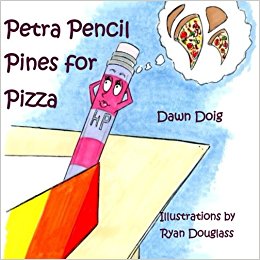
Dawn Doig: Three New Children’s Books

Dawn Doig: Three New Children’s Books

Dear WinkWorld Readers,

Dawn Doig is a former graduate student who was in one of classes in Mallorca Spain during a summer global education program.  Dawn has been an audiologist in Canada, England, Kuwait, and Saudia Arabia.  She is now teaching in Mongolia, and soon will be teaching in Cameroon. She and her husband, also a teacher, have a global perspective on the world. 

She has recently published 3 children’s books with Pen It Publications, LLC.  I hope you enjoy her writing, as I do.  I hear more books will be available soon.

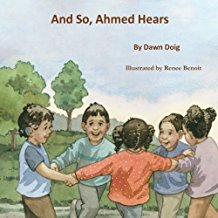
Petra Pencil Pines for Pizza, Go Away, Shawn, and And So, Ahmed Hears.  In all three of these books, you will find a thread of kindness.  In addition, you will see that Dawn has a background, not only in mainstream classroom teaching, but also in counseling and education for the hearing impaired.

All three of her new books can be found on Amazon, 


February 12, 2018Read More
Back to Robert Frost

Back to Robert Frost

Dear WinkWorld Readers,

Recently I posted a blog about Robert Frost, in which I visited a school and read the famed poem, Stopping by the Woods on a Snowy Evening by Robert Frost. I will re-post that WinkWorld near the bottom of this posting.

What is self-selected reading?

“Free voluntary reading consists of massive, but not necessarily wide, self-selected voluntary reading.  This provides the bridge between conversational language and academic language (Krashen, Lee, & Lao, 2018, pp. 13 – 14).

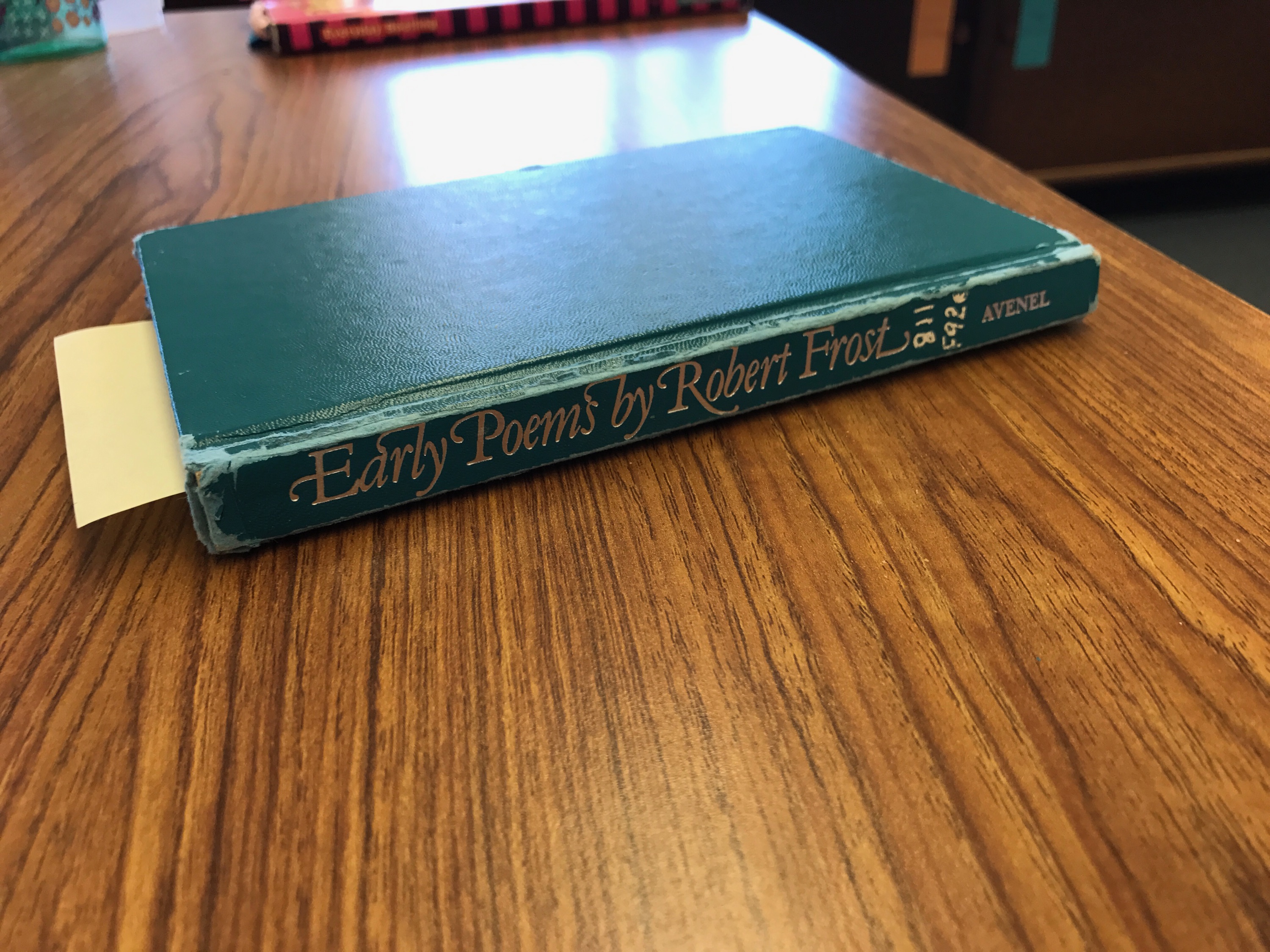
A couple of weeks after I had read the Frost poem in that school, one student chose this book during self-selected silent reading.  The teacher quickly sent me this photo. Made my day!

Self-selected reading is the kind of reading we do because we want to.  It is often “light” reading, reading not intentionally designed to inform or make one a better person (Krashen, Lee, and Lao, 2018, p. 37).  

The earlier post is reposted below:

Jack Frost or Robert Frost?

Krashen, S.,  Lee, S., & Lao, C. (2018). Comprehensible and compelling: The causes and effects of free voluntary reading. Santa Barbara, CA: ABC-CLIO/Libraries Unlimited.

Coming soon to WinkWorld soon: A review of this new book.


February 8, 2018Read More
These Hot Springs readers are hot, hot, hot.

These Hot Springs readers are hot, hot, hot.

Dear WinkWorld Readers,

Often times, readers of WinkWorld will share with me privately and not in our comment section.  No worries, I’ll try to share the good stuff here, so you will not miss out on any treasures.

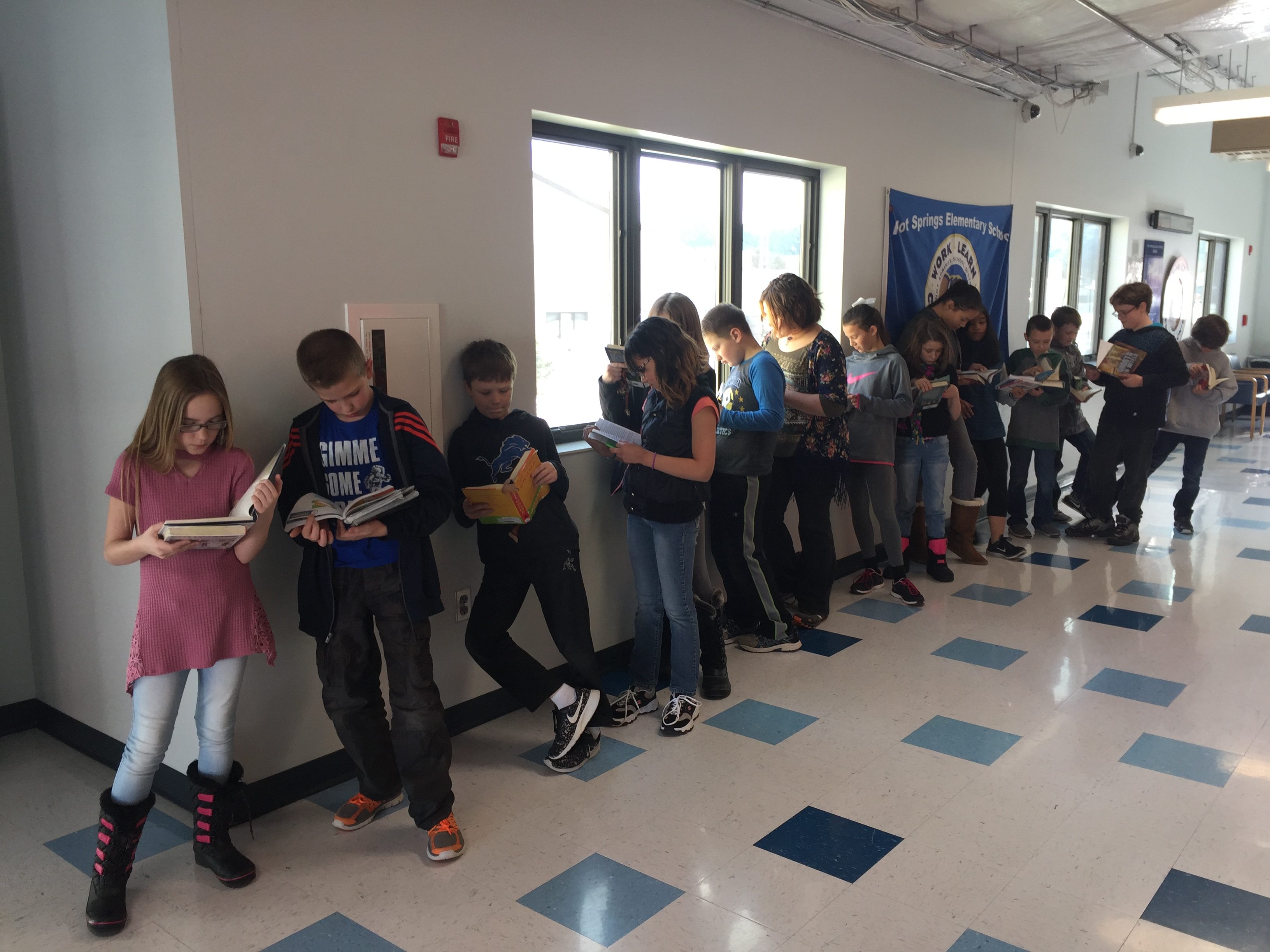
Such is the case of these readers from Hot Springs.  This photo was not staged to please us, rather their teacher walked out of her classroom to meet her students who were returning from their time in their school library.  This is what she found in the hallway.  She quickly snapped this photo before the students even looked up from reading.

Thank you, Koreen Hammel.  This photo tells us so much about you, the students, your school library, and your school.

February 1, 2018Read More
Nadifa: An Interview by KELO.

Nadifa: An Interview by KELO.

Dear WinkWorld Readers,

Recently, I posted a short piece about Nadifa, and I’m thrilled that she has now been interviewed by a TV station, KELO, in Sioux Falls, South Dakota.  Many, many thanks to Nadifa, KELO, and the colleagues at University Center (UC) located in Sioux Falls.

Below here, I am linking to  (a) the South Dakota University Center, (b) my previous post about Nadifa, and (c) the new interview of her which was aired January 26, 2017.

a) South Dakota University Center

b) My previous post about Nadifa.

The Harvest of my Career: And, a Refugee from Chad

c) And, finally the new KELO interview of Nadifa.


January 27, 2018Read More
Lisa Westbrook: How/why to spiral bind a book

Lisa Westbrook: How/why to spiral bind a book

Dear WinkWorld Readers,

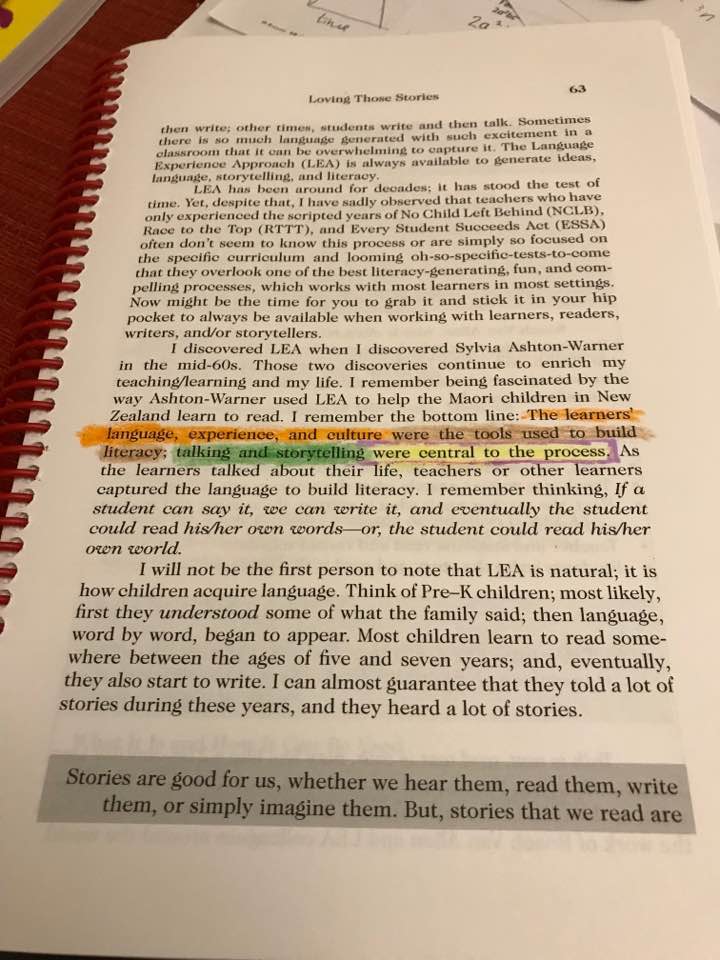
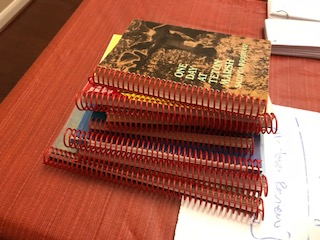
Lisa Westbrook, a colleague and friend from TX, wrote to me about her Mystery Red Books Bookshelf.  I had no idea what we she was talking about and asked her to explain. However, I could see that my new book was no longer hard-bound, but rather it was bound with a RED spiral.  (See following photo.)

I asked her WHY and HOW she did this.

WHY? 

She spiral binds books, which she loves so that she can highlight and write more easily in the book.  Thank you, Lisa.  I had never thought of doing that with any of my fav books.

Lisa has been working on storytelling with her son, so that he can make sense of his Algebra class.  She found the following sentence buried deep within one of my paragraphs and said that it make sense to her to help her continue.

“The learners’ language, experience, and culture were the tools used to build literacy; talking and storytelling were central to the process” (p. 63). 

I have asked her to share their storytelling process, if she creates anything which really works for her son.


HOW?

Lisa simply goes to a OfficeMax-type-store, and they take the binding off and put on a spiral.  This made me wonder if maybe some libraries and school districts might offer this same service.

I hope you will let us know if you have found other ways to add to your own Mystery Red Book Bookshelf.

I asked Lisa why she used the word, mystery, and it is because on this bookshelf it is a mystery, which book is which.  And, obviously all of the spirals are red.

If you create a spiral book, I’d love to have you share it with us. Thank you.

In answer to a couple of questions, previous WinkWorlds can be found at

WinkWorld News (button on the left of my main page)

January 26, 2018Read More
Reading For Meaning: The BEST 12 Minute Video of your Day

Reading For Meaning: The BEST 12 Minute Video of your Day

Dear WinkWorld Readers,

Please find 12 minutes to relax and watch this video from Debbie Stone Bruell.  She has taken a very large and complex body of literacy research and made it meaningful.  I promise you that you will understand so much more about reading and teaching reading after watching this compelling and delightful short video.

Debbie is a journalist, artist, public school advocate and former school board member living in Carbondale, Colorado. She is the mother of two daughters.

Debbie can be reached at bruell.books@gmail.com

Thank you, Debbie!


January 22, 2018Read More
Display of Data or Doodles?

Display of Data or Doodles?

Dear WinkWorld Readers,

Recently, I posted a Steve Krashen (2005) article about what good writers (GWs) do, and what good academic writers (GAWs) do.  This triggered a discussion with friend/colleague, Dr. Le Putney of UNLV, as she noted that Krashen says that GAWs begin with some type of display of data and end with the introduction.  She has long believed this, and during the years, when some of her co-writers would be writing the initial introduction, she would dive into what she already knows (her data) and try to make some sense of what she has learned from the evidence already. 

“I fuss with the data first,” Le says.  Krashen says that this central table serves as a “center of gravity” for the study.

I have written with Le often through the years, and diving into the data is how we begin. For me, this usually involves a yellow legal pad, which I always considered my doodles: circles, arrows, images, numbers, etc. with words scribbled everywhere.  When we finally can hold on to what we think we know, either with a display of data or doodles, then we can write. 

If you can draw it, you can understand it, explain it, and write it.

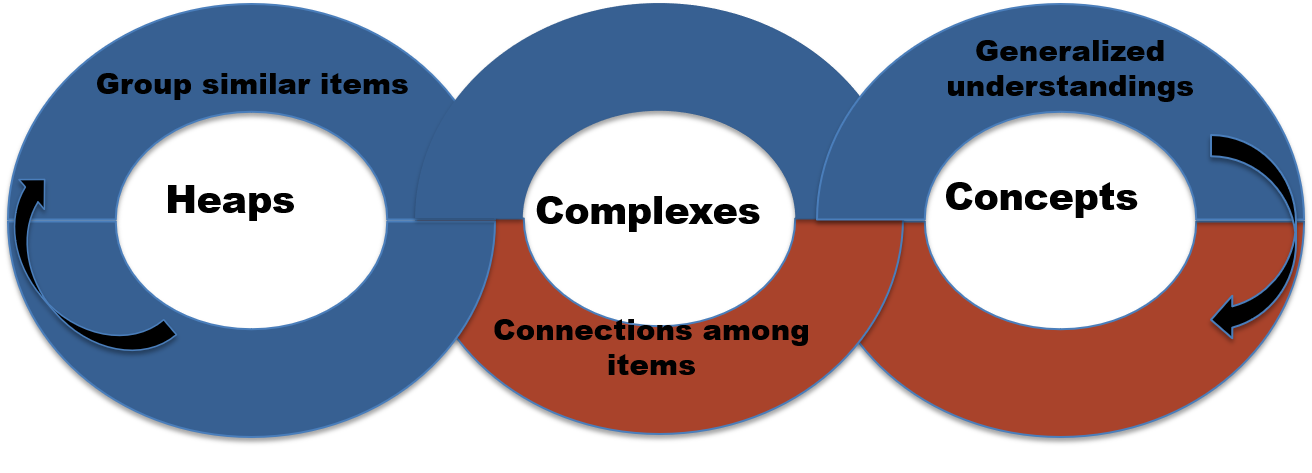
However, when diving into the data, it often can feel like you are drowning under HEAPS of data.  You have to keep digging to find the COMPLEXES of all of the possible relationships buried in the heaps of data before you can ever get to the CONCEPTS. 

Eventually, we created our data table, which certainly has evolved into a center of gravity for various studies.

heaps

And, here is how we capture the circles with words.

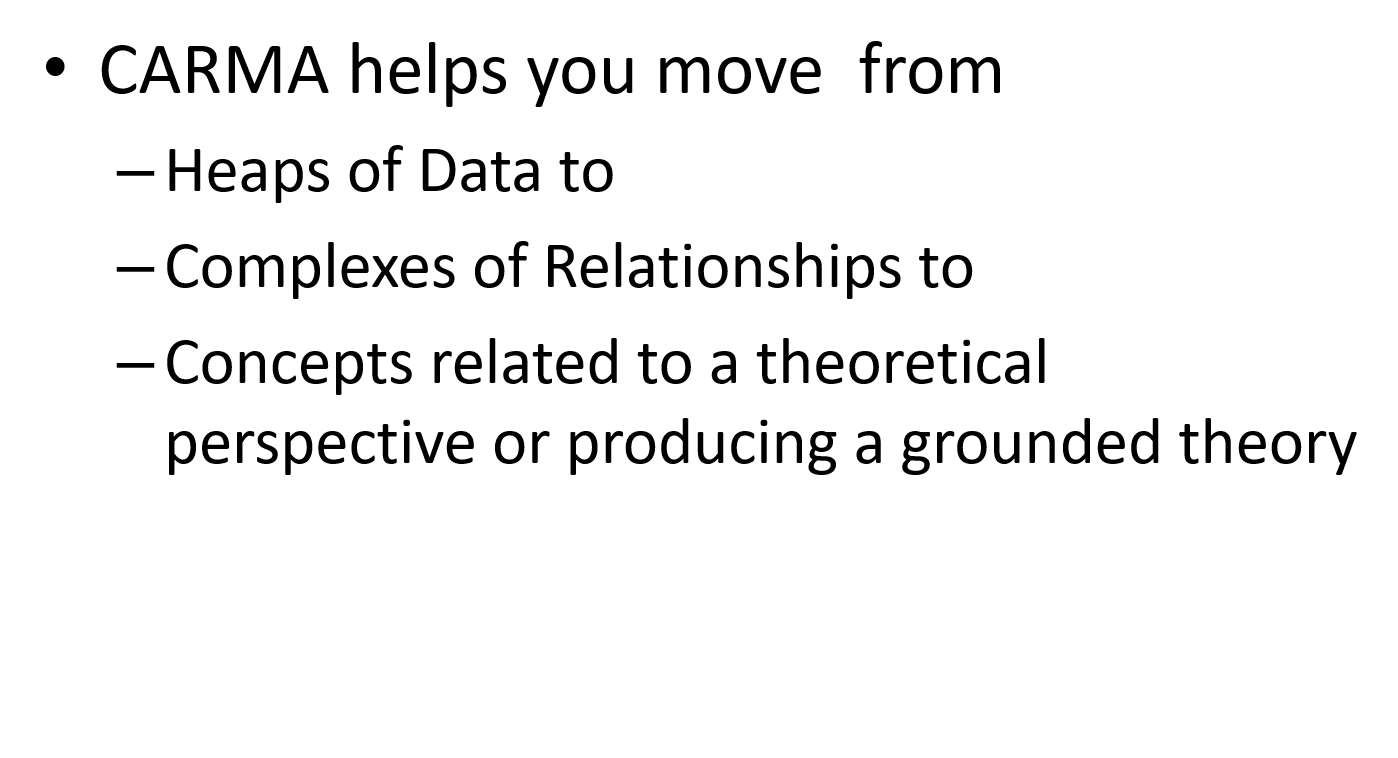
Carma

CARMA, Critical Action Research Matrix Application is a  research method, which evolved from these doodles.  Le will again be using CARMA when teaching her graduate research class this semester.
Fussing” with what we already know really does provide a “center of gravity.”
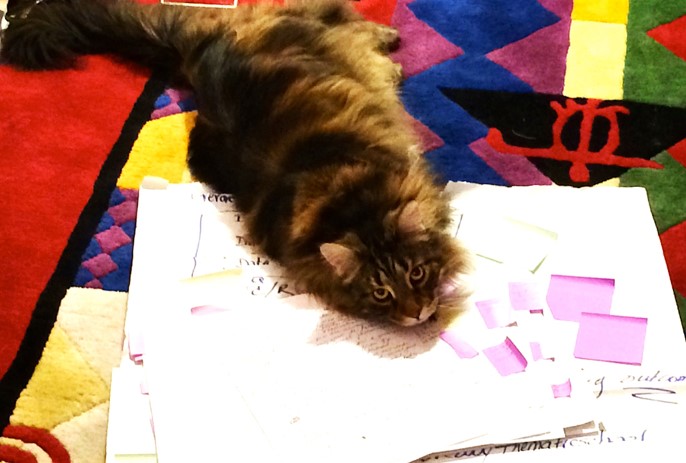
In the image below, Le’s kitty was helping us with our HEAPS of data.
 
“You do know these HEAPS of data need more analysis, right?, Kitty says.
“I told you to use CARMA to get out of the HEAPS and over to the CONCEPTS,” the researcher replied.

Citations

Teaching Passionately – Library Mapping

Putney, L. G., Wink, J., & Perkins, P. (2006).  Teachers as researchers: Using the Critical Action Research Matrix Application for Reflexive Classroom Inquiry. Florida Journal of Teacher Education, Vol . IX, pp. 23-35.

Display of data red image purchased from Dreamstime.


January 17, 2018Read More
Jack Frost or Robert Frost?

Jack Frost or Robert Frost?

Dear WinkWorld Readers,

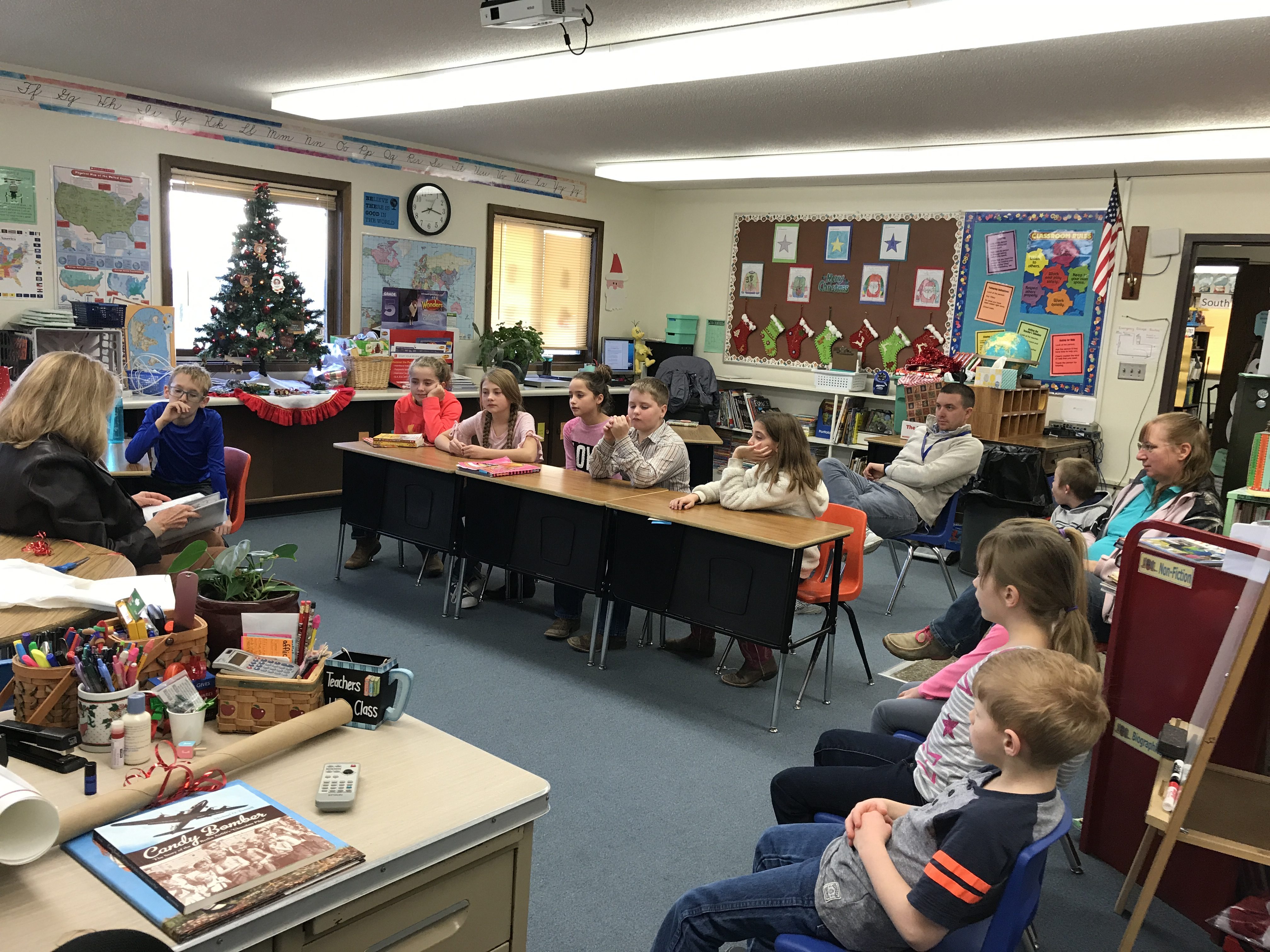
In December, I went to one of our local* rural schools on the prairies to read some stories. 

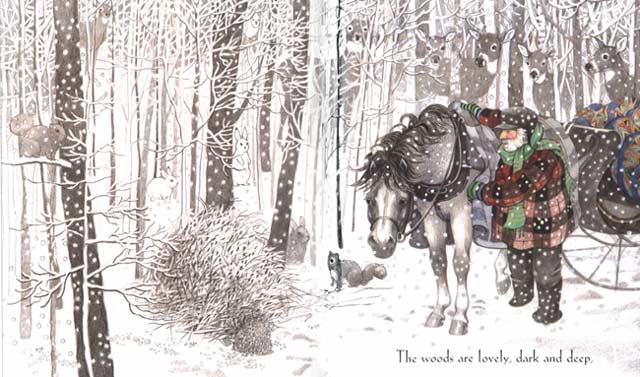
One book, which I took, was a gorgeous version of Robert Frost’s famed poem, “Stopping by the Woods on a Snowy Evening,” illustrated by Susan Jeffers.


I had purposely selected a poem to read, as I had been  so moved by the poetry, which the students had written in November in their monthly student-written and student-published newsletter, Prairie School Post.  It is only a matter of time before I begin sharing some of these treasured newsletters which evolved when the teacher, Missy Urbaniak, read my copies of Arizona’s Sister Bourne books and learned of  an earlier student-created newsletter, Little Cowpuncher.

“Robert Frost? Is he anything like Jack Frost?” one little guy asked, just as I was ready to read the gorgeous book. However, it was December on the cold SD northern plains, so his comment was not totally out of context. 

14 precious kids attend this rural school.

*50 miles away

January 15, 2018Read More
Krashen: How good writers, write.

Krashen: How good writers, write.

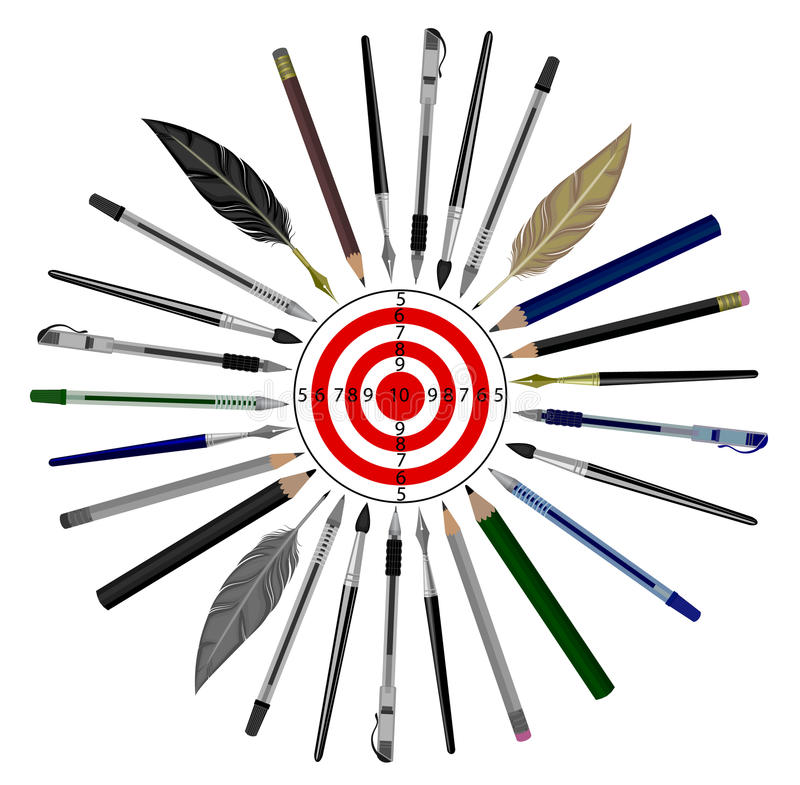
(pens/pencils from Dreamstime, 60890206)


Dear WinkWorld Readers,

Recently,  Steve Krashen reminded me of a paper he had published in 2005, and I liked it so much this time around, that I even printed it.   The paper focuses on how good writers write.  At the bottom of this WinkWorld, I am listing the citation and posting the PDF of the article for your convenience.

While I was reading the 2005 article, I thought I would write a little bullet-point summary for you, dear WinkWorld Readers.  However, when I got to the end of his paper, I discovered that “Steve-always-one-step-ahead-of-me-Krashen” had already created this for us.  Here it is.

I am using this paper to guide my thinking as I re-think, re-analyze previously collected data, and collect new data on library mapping.

What is library mapping?

Teaching Passionately – Library Mapping

Thanks, Steve.  I’ve said it before: You are a handy research assistant.

Steve Krashen’s words follow:

I present here a summary of the major hypotheses presented. Some should more properly
be labeled “conjectures” because they are based on so little empirical data. Nevertheless,
they provide a start at discovering the answer to an extremely important question: How
people use writing to solve problems and make themselves smarter.

GWs (Good Writers) understand that revision helps them come up with new ideas. They
do not confuse revision with editing, and regard their first drafts as tentative.

GWs have a plan before writing, but the plans are flexible.

GWs frequently reread what they have written.

GWs delay editing (formal aspects) until their ideas have been worked out.

GWs intersperse periods of relaxation with periods of intensive activity, to encourage problem-solving and loosen writers blocks.

GWs treat writing as a job, keep regular hours and/or have set goals, and write regularly. They do not engage in binge writing.

GWs delay considerations of audience until their ideas have been worked out.


GAWs (Good Academic Writers) work in a relaxed but focused manner. They ignore deadlines.

GAWs write out their ideas before “reviewing the literature.”

GAWs read narrowly, reading only what they need to read that applies to the problem they are working on now. They do not attempt to “keep up with the literature.”

GAWs return to their plan frequently while reading the research of others.

GAWs recognize the importance of secondary and meta-analysis and understand that primary research is only one way of doing research.

GAWs take advantage of existing sets of data, and try to do unobtrusive studies. They take full advantage of tools developed by other scholars.

GAWs delay consideration of where their work will be published until their ideas have been worked out.

Strategies for writing up empirical studies:

  1. There is one central table in every empirical study: GAWs consider the content of
    this table before gathering data.
  2. The first step in writing up the paper is constructing the central table, followed by
    the peripheral tables and the prose parts of the results section. The next step is to
    write up the procedure section.
  3. GAWs then write the conclusion.
  4. GAWs then write the introduction, which is not a “review of the literature” but is
    focused on the particular study.

GAWs deal with reviews, criticisms and rejections without delay. They understand that there is some arbitrariness in reviews, and that many journals are conservative, but GAWs usually succeed in getting their work published in appropriate places where the desired readership will see their work.

GAWs accept criticisms and comments that are helpful to them, and do not accept those that are not.


The Composing Process and the Academic Composing Process

Stephen Krashen

In Selected Papers from the Fourteenth Interntional Symposium on English Teaching.

English Teachers’ Association/ROC, Taipei. Taipei: Crane Publishing Company. pp.

66-77. 2005.

2005_composing_&_academic_process_krashen 2


January 2, 2018Read More
Krashen/McQuillan (2018). Should we encourage e-reading? (in press)

Krashen/McQuillan (2018). Should we encourage e-reading? (in press)

Dear WinkWorld Readers,

I am sharing this one with permission.  Happy Reading, Everyone.

Krashen 2018 Should we encourage e-reading?

This is the question I explore in “Into The Cloud” chapter 6 of my new book, “The Power of Story.”  Below,  I am posting a peak into this chapter.  Thank you, Katie Knox, for drawing the image to represent that question: Paper or pixel?

The Power of Story Chapter Six


December 28, 2017Read More