View Sidebar
Click on any book icon to see Table of Contents and/or to purchase a copy.

Articles by: Joan Wink

American Generations: The Silent Generation to Gen Z

American Generations: The Silent Generation to Gen Z

Hello WinkWorld Readers,

I am often drawn to questions regarding the generations: The Greatest Generation to The Silent Generation to the Baby Boomers to the Gen X to the Millennials to Gen Z.

As a former professor, a former teacher, and as a current parent and grandparent, this subject fascinates me.  Now, as a member of the South Dakota Board of Regents, I find that the unique characteristics of each generation shape how and what we teach.  For example, are the needs and interests of the Millennials the same as those of the Gen ZNope. The university students of the last few years were Millennials, but now our classes are filling up fast with the next group, Gen Z.

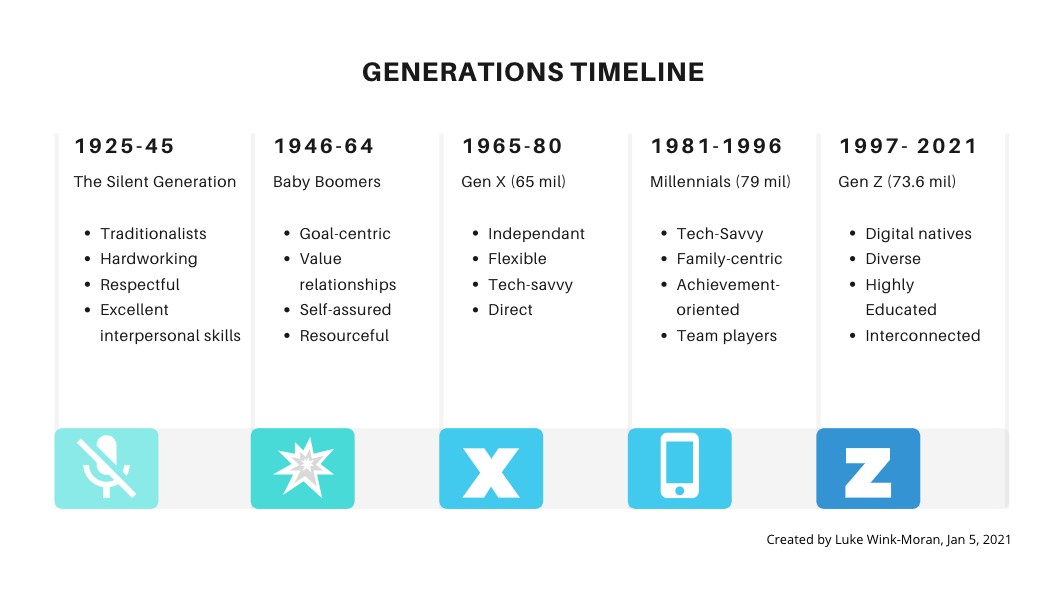
Previously (2011, in Critical Pedagogy: Notes from the Real World, pp. 176-177, Fig. 5.1), I shared a chart of my understandings at that moment.  This originally came from Jim Burke, and I reproduced with permission. Click here to see the generations and their characteristics and years.

However, time keeps marching forward, and I wanted to update my understandings.  I read a bit (see Resources below), and I went to one of my grandsons, Luke, to update my knowledge of the generations.

Luke Wink-Moran

Meet Luke.

As some of you know, Luke contributed to two previous WinkWorlds.  Click here and here. In these two posts, we summarized some current writing regarding our post-COVID needs of students and society.

Luke captured his present understanding in the image below.  He omitted the World War II generation, which is often referred to as “The Greatest Generation.”


How To Make Sense of This

Think of your own family members–at least that helped me.  

Dawn and Bo:  I started with our own two kids, as I sure do know their birth dates:  1968 and 1971  They are both Gen X. Very much so.

Next, I thought about our grandkids: Wyatt, Luke, Wynn, Austin, and Garrett.  Wyatt and Luke have many Millennials characteristics, and I can see that Wynn and Austin have more characteristics of Gen Z.  For now, Garrett is a Gen Z, but it will not surprise me if he eventually falls into a Yet-to-be-Labeled Generation.  And, whatever that generation is named, I will bet that Garrett will be leading the parade.

Wink and I are a part of the Silent Generation, although we did not know it when we started down this family path together.  We graduated from undergrad (Yankton College) in 1966, and left immediately for life in the Philadelphia area.  I started teaching at Great Valley High School, Malvern, PA, and in 1968 Dawn was born.  Wink and I looked back at our college friends, only two years younger, and saw that they had totally different life experiences. While we had a mortgage, diapers (pre-Pamper days), and careers—they had the Sexual Revolution, marijuana, and a trip to Woodstock.

We often laugh that we missed the Sexual Revolution by two years. We’ve been catching-up ever since. 

1968 was a pivotal year for our nation and for us. In 1969, I realized that I was morphing from a nice Goldwater Girl to a mom who questioned everything.  I remember dressing Dawn in little bell bottoms, a little leather fringed vest, and a headband. I jumped on a bus to go to a protest in Washington DC, Dawn in a blue Johnny-Carry on my back.  I have no idea now exactly what we protested, but I clearly remember that she was the cutest little “beatnik” there. I remember the personal and national pain of the assassinations of that time: John Kennedy, Bobby Kennedy, Martin Luther King.  The Silent Generation suddenly was replaced by the Baby Boomers.

Now our family and yours are all experiencing a similar national and personal pain.  It will change us all. 


Resources used in this article

Dabney, Courtney. (2020, March 26). It took a global pandemic, but Generation X is finally getting love. PaperCityMag. https://www.papercitymag.com/culture/generation-x-earns-respect-conronavirus-pandemic-stay-home/?fbclid=IwAR0k83T1LVV1BBduh5QWQtpQektT7s1Gc6WDffNT9GfBQNb57yhanBEonHc

Guillén, Mauro F. (2020).  2030: How today’s biggest trends will collide and reshape the future of everything. St. Martin’s Press: New York.

Salingo, Jeffrey J. (2018).  The new generation of students: How colleges can recruit, teach, and serve Gen Z.  The Chronicle of Higher Education.

Wink, J. (2011, p. 176 & 177).  Critical pedagogy: Notes from the real world. Upper Saddle River, New Jersey: Pearson Education, Inc. Used with permission from Jim Burke, jburke@englishcompanion.com.


January 10, 2021Read More
PART TWO: Post-COVID Needs of Society and Students

PART TWO: Post-COVID Needs of Society and Students

Dear WinkWorld Readers,

In the previous blog post, I shared a review of Harari’s 21 Lessons for the 21st Century and Zakaria’s 10 Lessons for a Post-Pandemic World.  Click here, if you want to glance at that short blog post.  After reading these two books, we predict five categories which reflect the needs of students and society in our post-COVID world. 

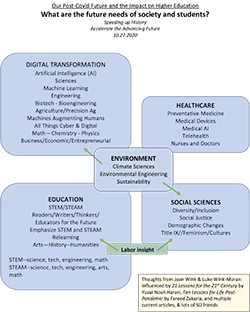
Since that time, we created two new images which demonstrate the five categories.

See larger versions of these images

I did this review with our 2nd grandson, Luke, who is an avid reader/writer/thinker.  Meet Luke.

Since that time, I have received suggestions of other related books, which also focus on the future and higher education.  Thank you.

My colleague sent these two titles which she had just ordered.  Hope we hear more about these books, Janice.

Academia Next: The Futures of Higher Education by Bryan Alexander

and

The Small College Imperative: Models for Sustainable Futures by Mary B. Marcy and Richard Ekman

Sharon, a long-time friend and colleague suggested that we check out The Social Dilemma on Netflicks.

6 Things to Know about the Documentary Before You Watch It

More on The Social Dilemma

Yikes, I knew nothing about this series, but I can see that it will be time to call in help from the millennials and/or Gen Zers:  Fortunately, our 5 grandkids fall into one of these two categories, and are more than willing to explain things to us. My reading tells me that the millennials and Gen Zers are very different from each other–something I sure have noticed.


November 3, 2020Read More
Post-COVID Needs of Society and Students

Post-COVID Needs of Society and Students

Dear WinkWorld Readers,

As some of you know, I am on the South Dakota Board of Regents, and in that role, I read and think a lot about the rapidly changing needs of society and higher education.  Our future seems to be accelerating.  Fast change is inevitable.

In the last 6 months I have read lots of articles about the future, but two books, in particular, really ring true for me: First, 21 Lessons for the 21st Century by Yuval Noah Harari, and second, Ten Lessons for A Post-Pandemic World by Fareed Zakaria.

Our grandson, Luke, age 22, is an avid reader and has read much on this topic also. In fact, he has been reading Harari for months and encouraging me to do so, too.  I finally took his advice. I am now a new fan of Harari, as I have been of Zakaria.

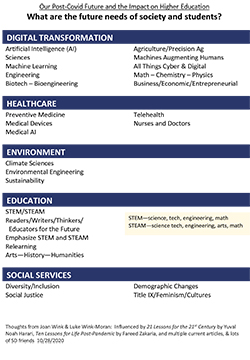
It’s true: Luke and I really do not know the future, but in what follows we attempt to capture our learning by highlighting 5 categories of change, which will affect universities, students, and all of us.

First, DIGITAL TRANSFORMATION, and to be ready,  universities need to focus on:

Artificial Intelligence (AI)

Sciences

Machine Learning

Engineering

Biotech – Bioengineering

Agriculture – Precision Ag

Machines which augment humans

All things cyber and digital

Math – Chemistry – Physics

Business/Economics/Entrepreneurial


Second, HEALTHCARE, and to be ready, universities need to focus on:

Preventative Medicine

Medical Devices

Medical AI

Telehealth

Nurses and Doctors


Third, the ENVIRONMENT, and to be ready, universities need to focus on:

Climate Sciences

Environmental Engineering

Sustainability


Fourth, EDUCATION, and to be ready, universities need to focus on:

Readers/writers/thinkers/educators for the future

Emphasize STEM and STEAM

Relearning

Arts – History – Humanities

(STEM = Science, technology, engineering, math)

(STEAM = Science, technology,, engineering, arts, math)


Fifth, SOCIAL SCIENCES, and to be ready, universities need to focus on:

Diversity/Inclusion

Social Justice

Demographic Changes

Title IX/Feminism/Cultures


Thank you, Luke Wink-Moran.  What a great time we had reading, thinking, and writing about these two books.  We look forward to your input on our delicate, fragile new ideas.

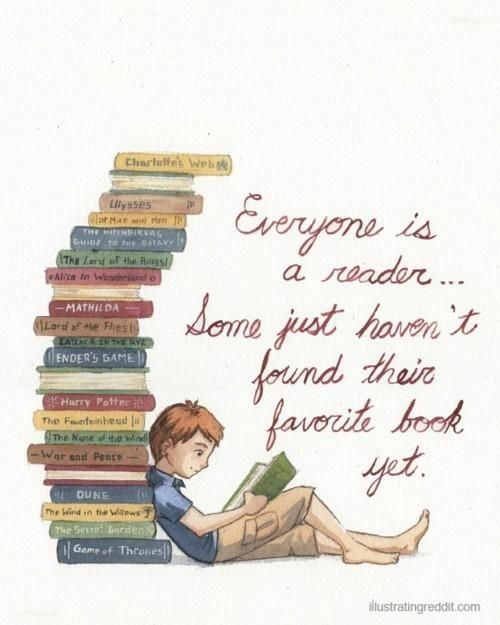
Everyone is a reader


October 27, 2020Read More
Teacher Observations: How do we do them virtually?

Teacher Observations: How do we do them virtually?

Dear WinkWorld Readers,

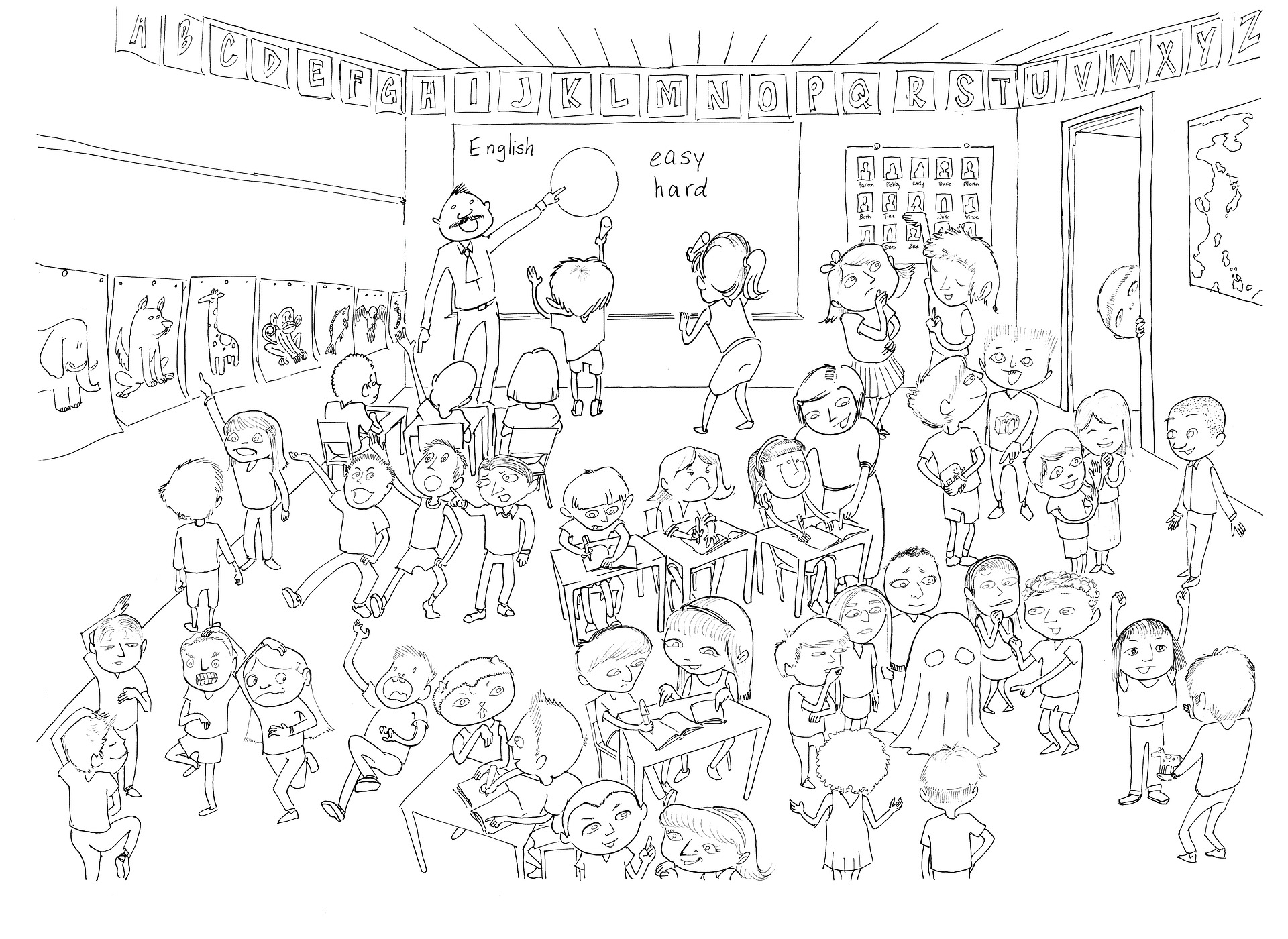
If you are not in a classroom very often, you may not realize it, but teacher observations are always a part of even the most active classroom.  Often times, it feels like teachers are teaching in a fishbowl with everyone peaking in to see what is happening.  Classrooms are often busy places with active learning. The drawing below (free from Pixaby for educational purposes) captures what classrooms used to look something like.

Often times, there is someone with a clip board standing quietly in the back of the room taking notes for an evaluation or a peer review.

Now classrooms may look like the image posted below.

My question is: How in the world do principals, supervisors, professors do their teacher evaluations? 

My friend/colleague, Dr. Chris Roe, recently conducted an observation of a teacher, Carol, who is now teaching virtually. Dr. Roe spent the morning in Carol’s TV room in her home (a.k.a., classroom).  Carol’s computer sat on a TV tray and projected on her big screen TV, where 26 second-graders’ faces were looking at the teacher.  Dr. Roe sat off to the side in her living room, as he observed and took notes.

As Chris told me, after his observation:

What a tremendous amount of effort went into this session. As an observer and former school administrator, I took notes as I would have if I were in a teacher’s brick and mortar classroom. I needed to see what teachers are going through right now so that I could better respond to new teachers’ concerns and questions regarding virtual instruction. The teachers and mentors I support in the teacher induction program are all amazing, stressed, and persevering.
 
My three focus areas were:
1. Instruction
2 Classroom Management
3. Technology.
 
Chris continued:
There is A LOT of stress on the teachers, families and especially students surrounding virtual instruction. Carol spends hours planning for lessons that take students minutes to complete. She meets with her special needs students after class for an hour (most times with parents/grands) who struggle to understand technology.
 
Behind the scenes, she has two teens at home, learning virtually as well. They come in for lunch, breaks, etc. while she is teaching. Her hyperactive dog was pacing the room. At one point, I made the mistake of throwing the ball for the dog, and he chased it, knocking the computer off the stand.
 
At the end of the session, Carol was exhausted. The students were wiped out.  Teachers are struggling, stressed, and they want to teach well so that all students learn well, but it its hard.
 
Thank you, Dr. Chris Roe, for sharing with us! 
 
I’m sure school personnel everywhere are struggling with the notion of how to conduct teacher observations/evaluation.  Dr. Roe is Director of Induction for the School of Education at Sacramento County Office of Education.
 
While Chris and I were talking about this, we noticed on a professional listserv another professor, Dr. Susan Morris-Rutledge of California University of Pennsylvania, who was also concerned with the same issue. Dr. Morris-Rutledge, is an associate professor in the Department of Secondary Education & Administrative Leadership. If any of you need to talk with either of them, please just use the Messages area below this blog post for your initial connection. Each of them can respond to you.
 
Teaching and learning is always about human connection.


October 19, 2020Read More
Books Which I Am Reading Now

Books Which I Am Reading Now

Dear WinkWorld Readers,

Periodically, I share the books I am reading. Here we go…

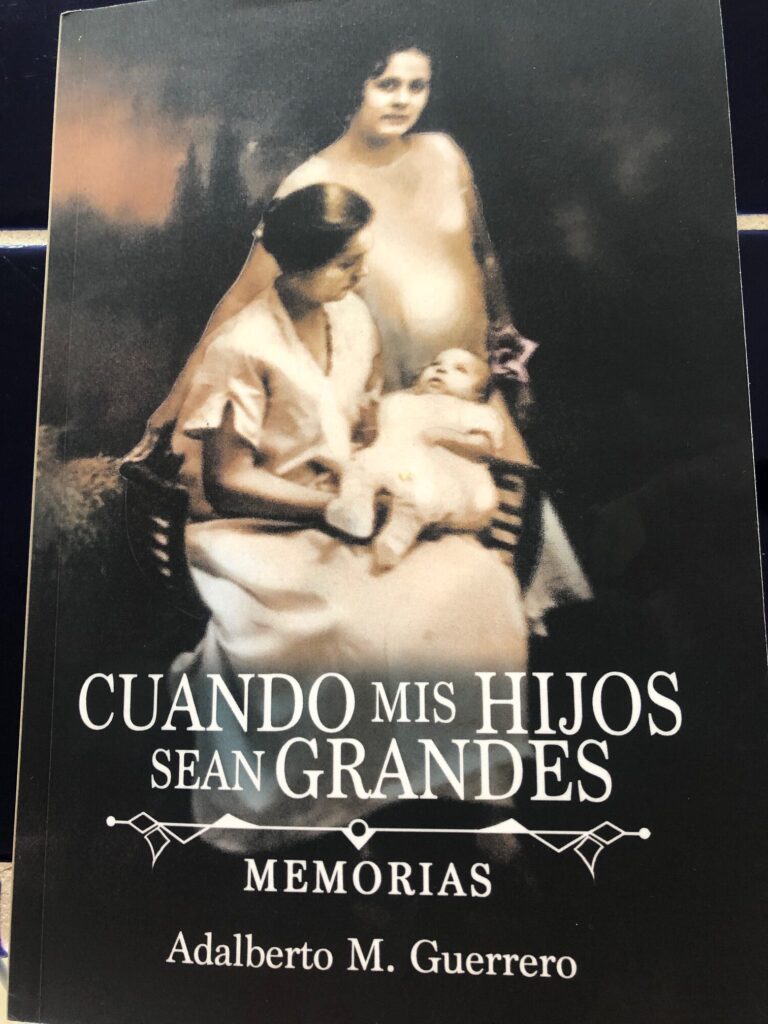
I just received this treasured book from Profe Beto, my all-time favorite teacher. He wrote this to capture his family memories for his younger siblings. One of his colleagues, Armando Miguélez Martínez, had it published for Profe. What a treasured gift for me. Below here is something which I previously wrote about Adalberto M. Guerrero. I hope you enjoy.

Coincidentally, yesterday I unexpectedly received another treasure–this time from a former student, who had the kindest things to say about his memories of our time together.  See the cool card which he sent.

Thank you from the bottom of my heart to this student who is now a fabulous teacher, too.

Teachers, are you, too, taking a moment to tell your former teachers how they enriched your life?  Just a thought.

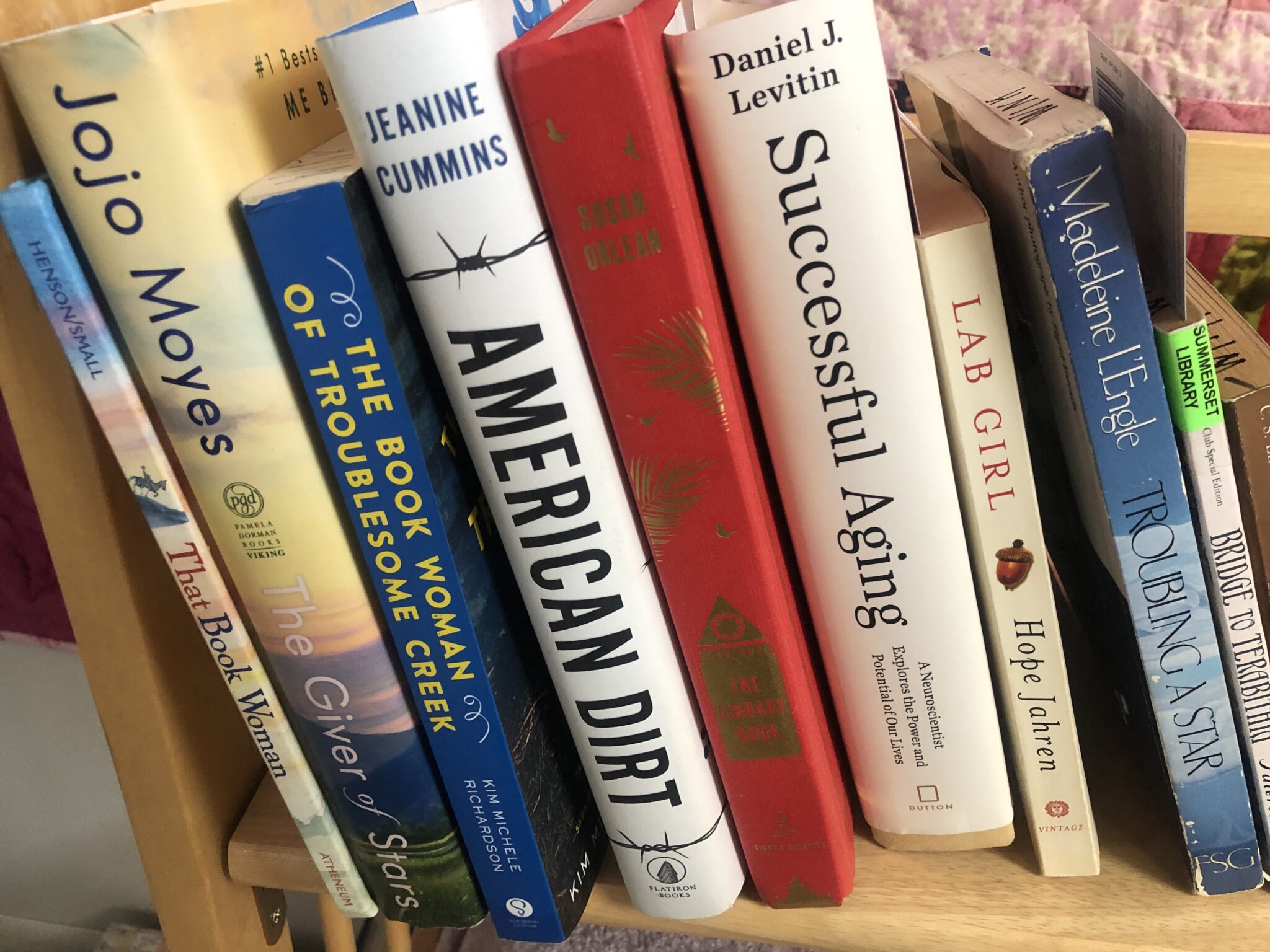
Dawn sent me all of her Alexandra Fuller books, and I just couldn’t stop reading them. See the photos below.


How is it that I did not know her work?  The books are filled with true stories of her life in Africa and now in Wyoming.

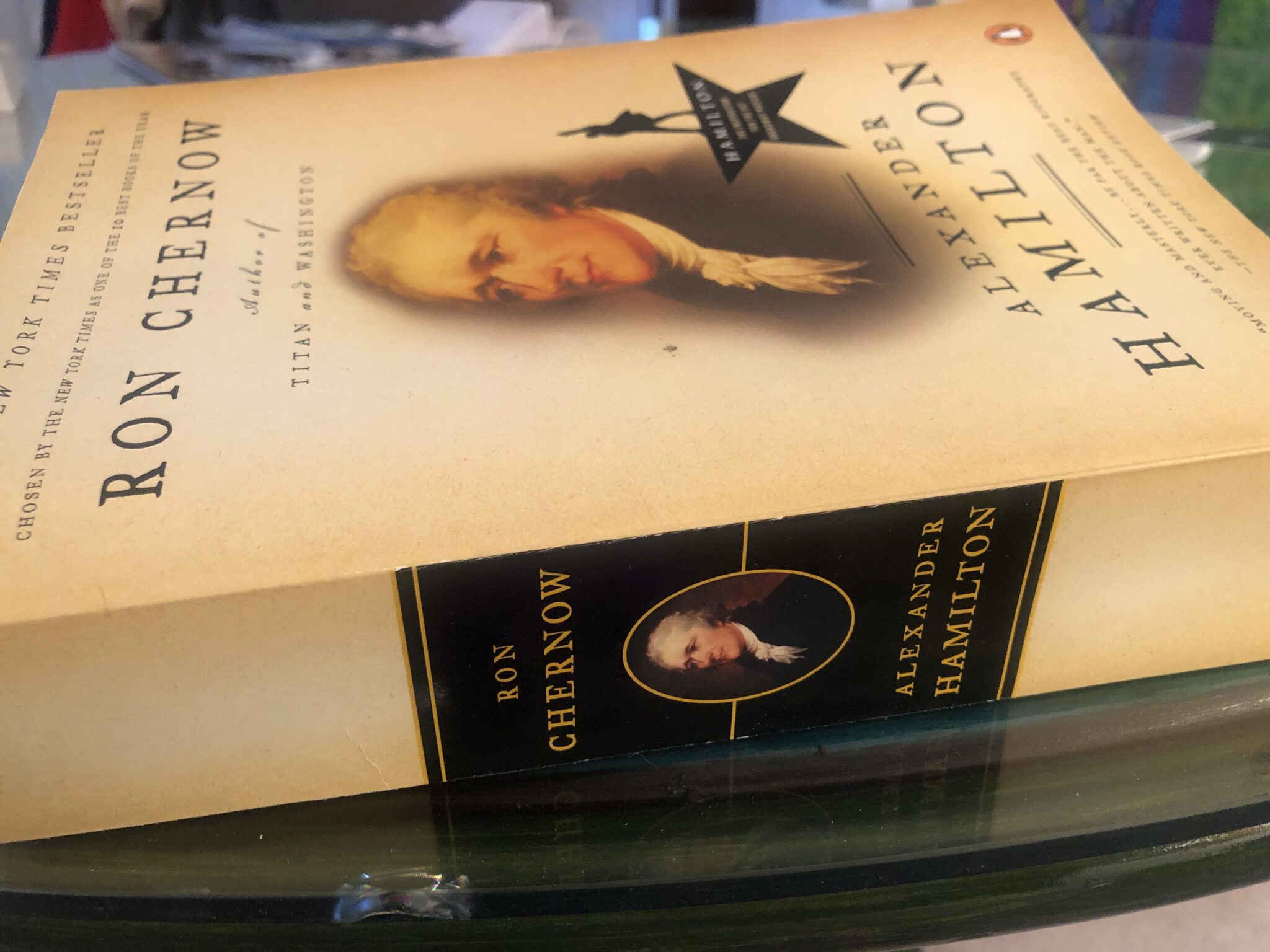
One of my book clubs is reading the Chernow book below.  We begin the sharing on Wednesday this week.

One very big book: Only 300+ pages to go.

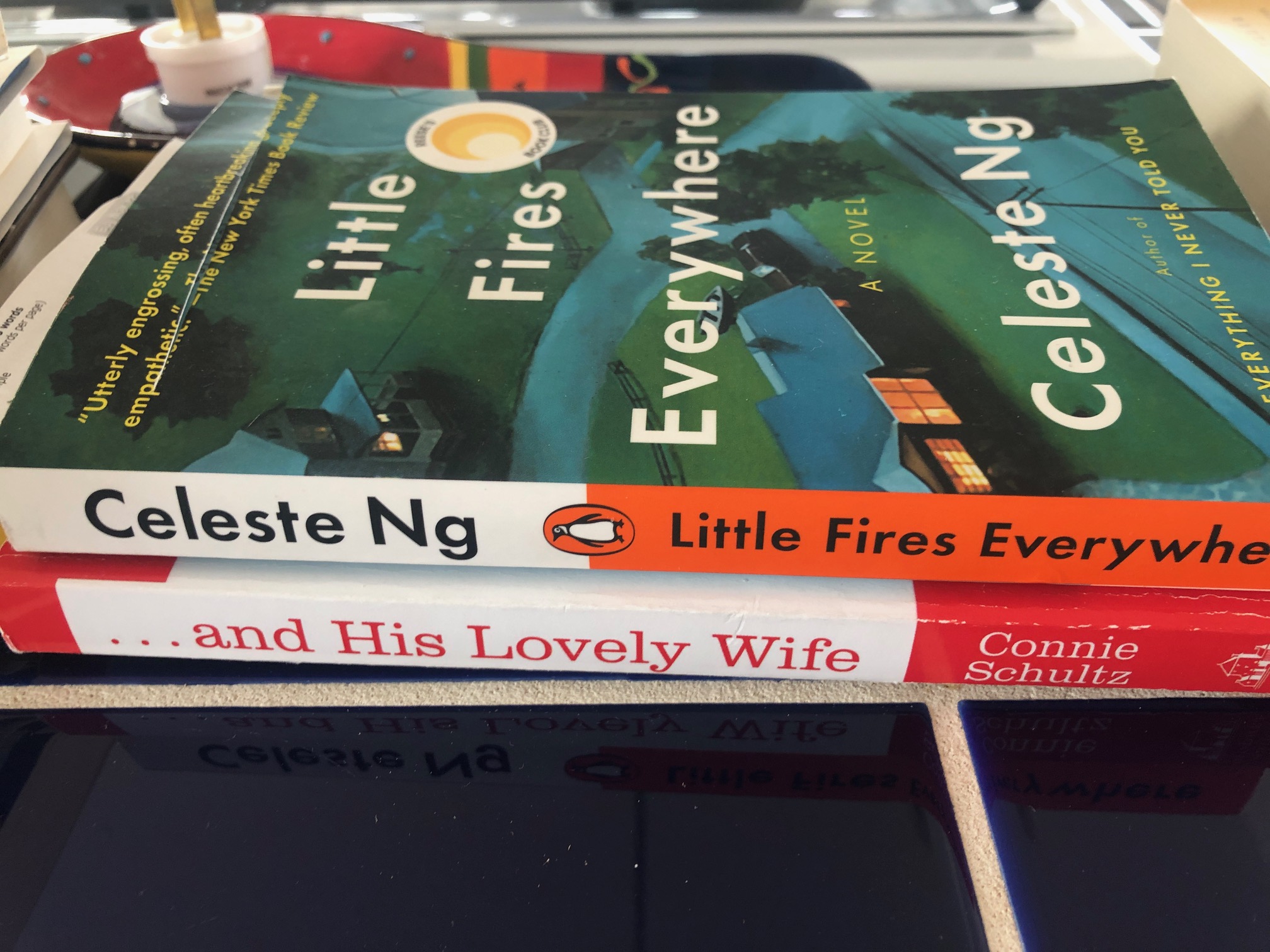
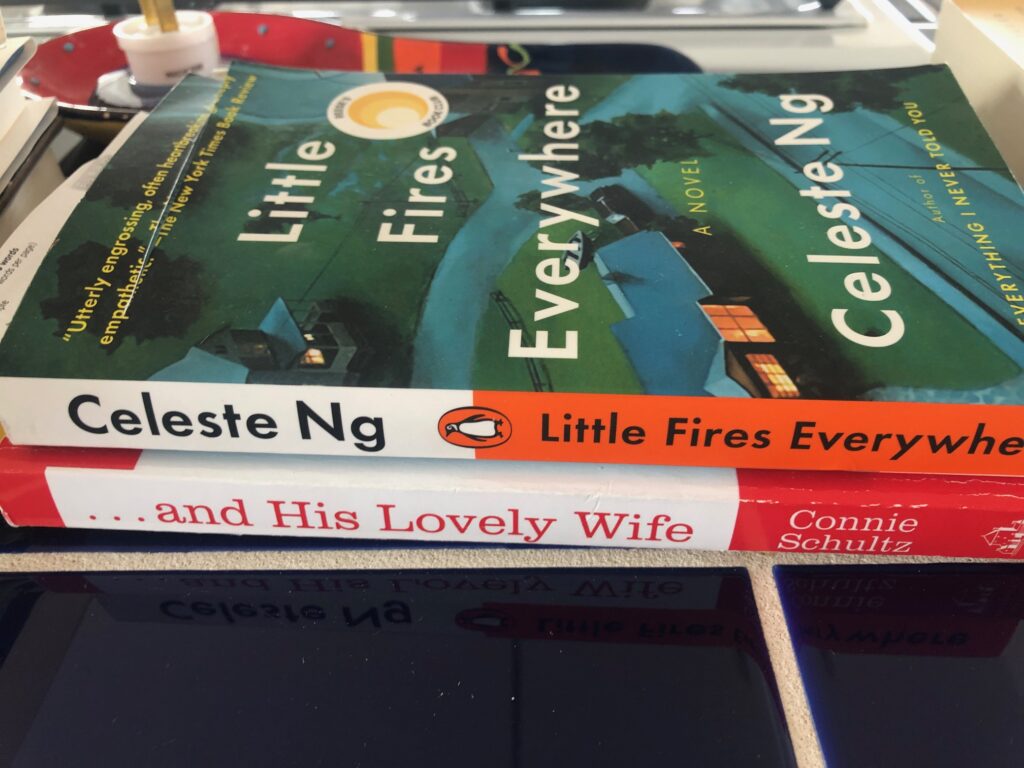
I loved reading the two books below. I will never forget the Ng fictional characters. I so hope that she is writing a sequel, as I need to know what happened to Mia and Pearl.

The Connie Schultz book, …and His Lovely Wife, was loaded with truth for many women.  I hope she writes another book, too.

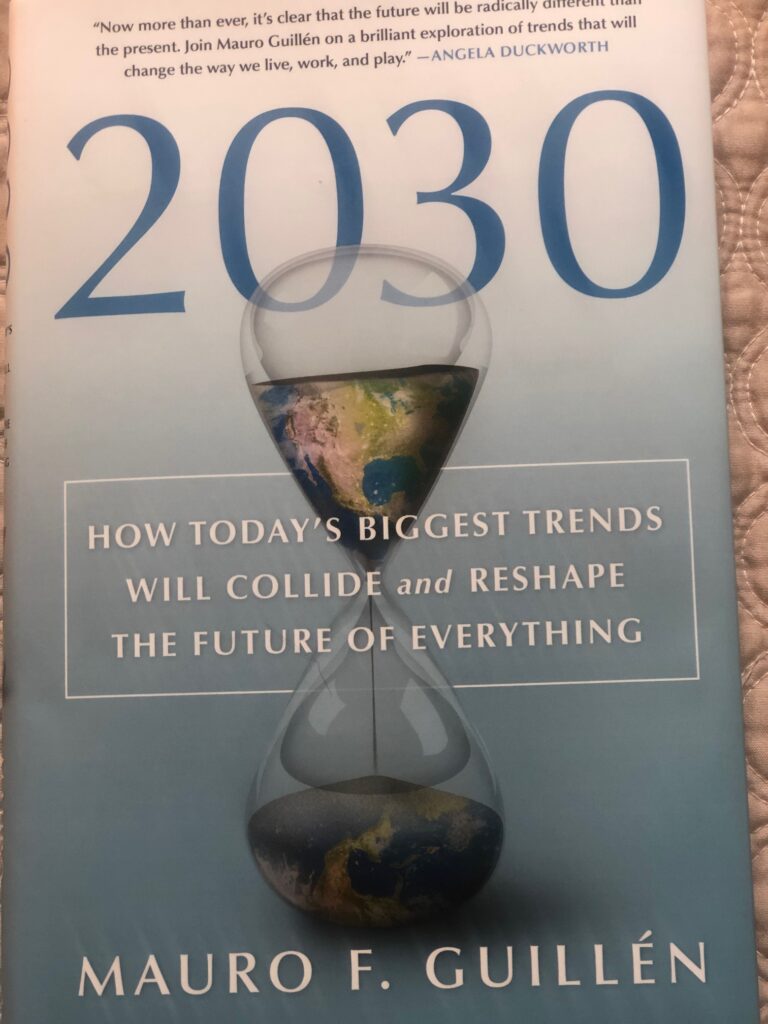
I have only been sneaking peaks into the Guillén book, as Wink is reading it.  I am anxious to read it, as it tells our future.  Hang on.  I love reading futurists.

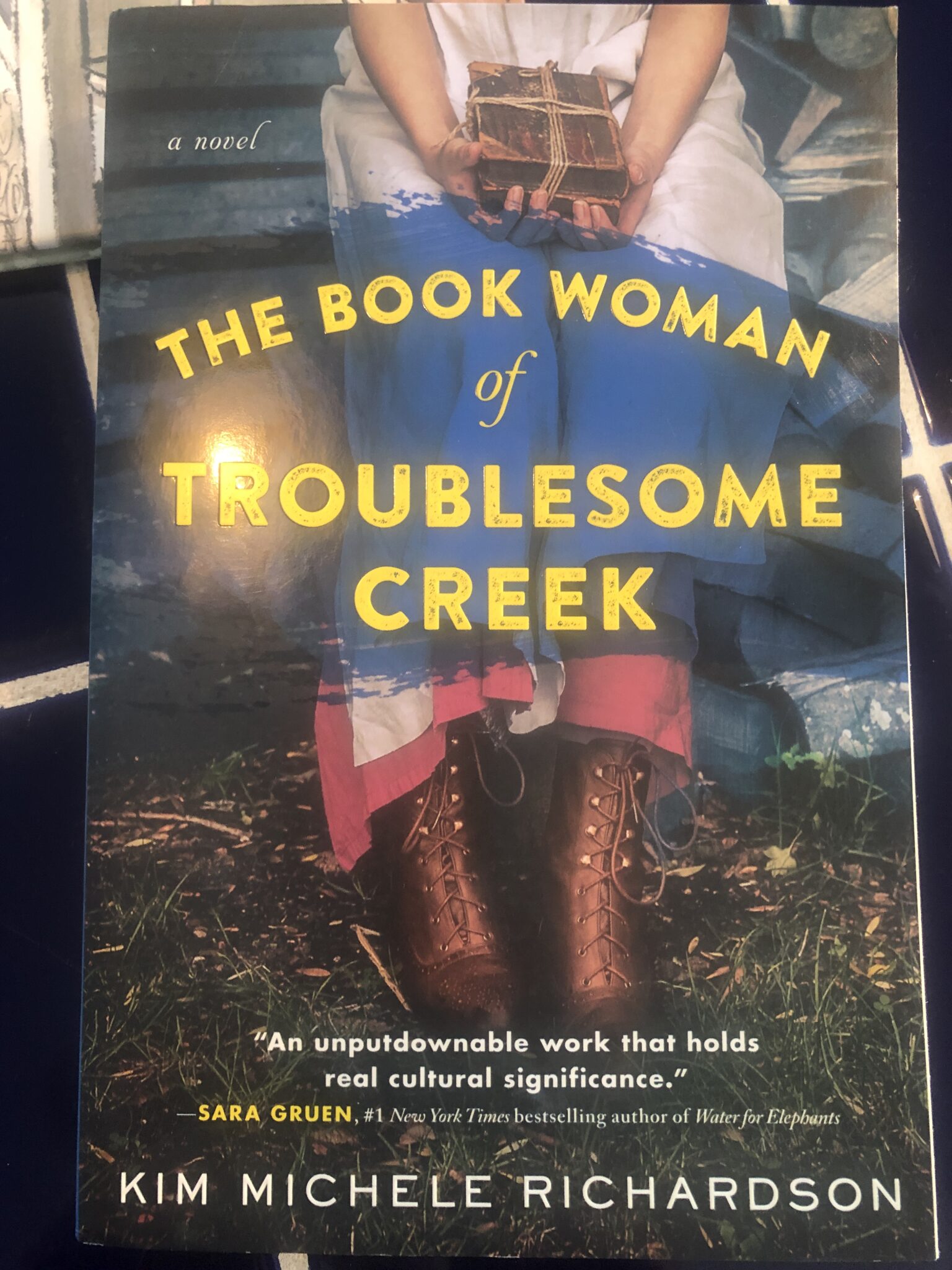
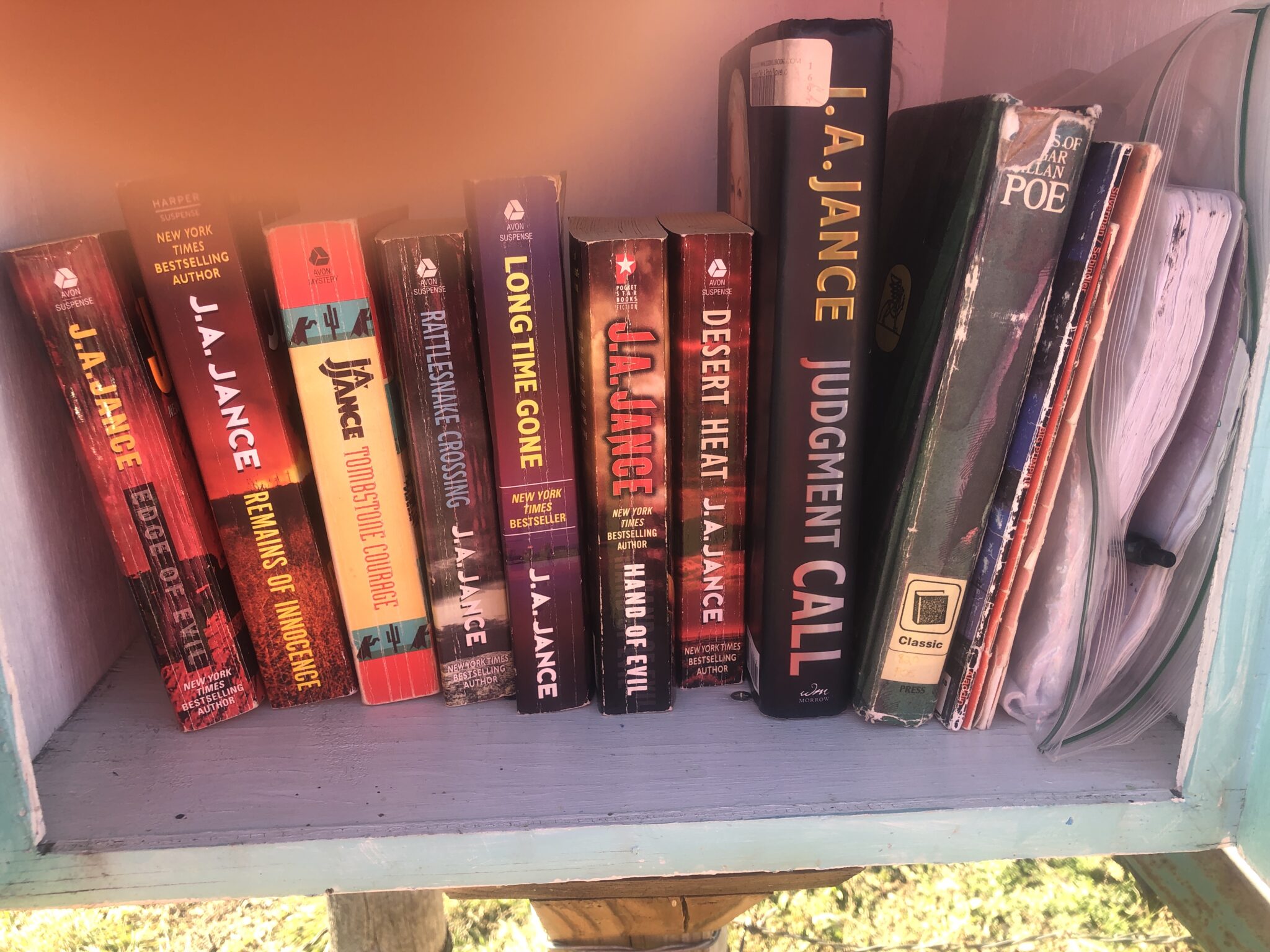
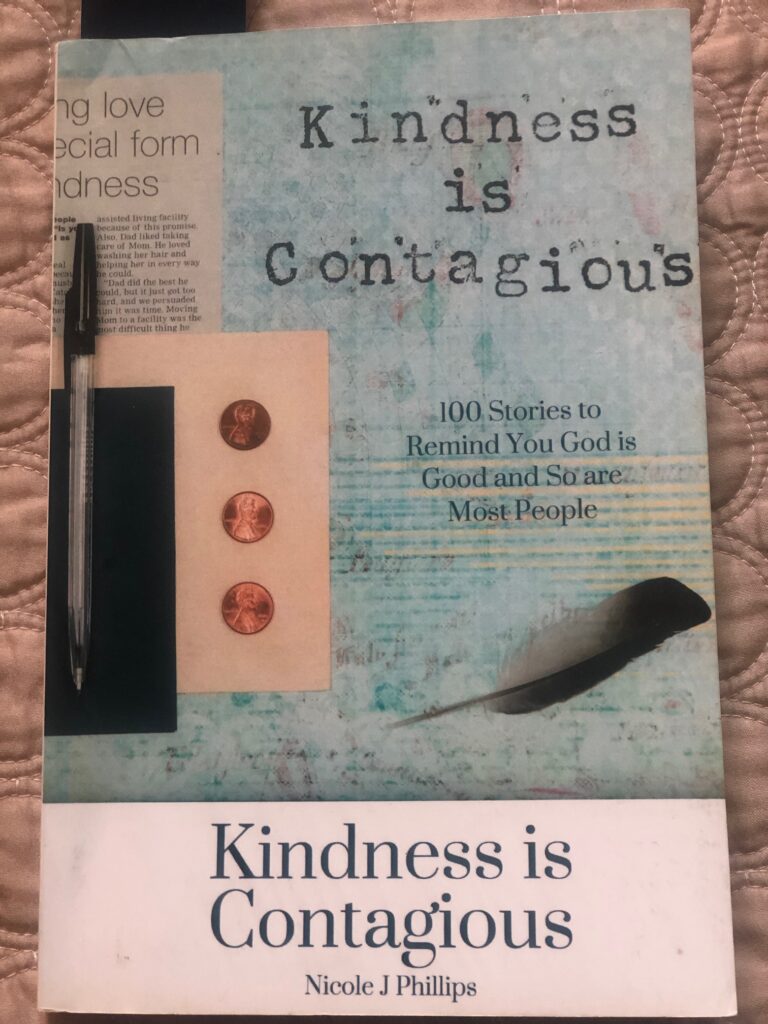
This author, who now lives in Aberdeen, SD, is new for me.  But, I notice that the more discouraged I become with the world, the more I slip away and read.  Maybe this book will help me crawl out of my cave.

I am so grateful that I love to read.

I hope that I also do a WinkWorld on all of my podcasts.  So fascinating.


September 28, 2020Read More
Krashen and Chomsky: Two of the Greats

Krashen and Chomsky: Two of the Greats

Okay, languages/literacies folks on the WinkWorld readership list, this one is for you and for me.  I often use WinkWorld as my own little library, so I know I will have it when I want it.

Here are two of my favs: Noam Chomsky and Stephen Krashen visiting with each other. 

I first heard of Chomsky in 1965-66 from Yankton College’s dear Dr. Ehrensberger (Dr. E). I took every English class Dr. E. taught, as he was such a fabulous instructor and gentle human being, and he had white hair and blue, blue eyes, just like my Grampy Dave Clark.  Dr. E told me that I should keep my eye on this guy named Noam Chomsky from MIT–so that is exactly what I have done for almost 55 years. Syntactic Structures (1957) was one of my first treasured texts–wonder where my copy is now?

It is my understanding that Dr. Chomsky is now retired, and spending a lot of time on the University of Arizona campus.  I think of Dr. Chomsky now as sort of a free-range emeritus professor, and I continue to look for him in the main library and/or on the grassy mall.  Heaven help the man, if I should bump into him some day!  I hate it when I gush.

Those of you who know me as a professional know the impact which Dr. Stephen Krashen has had on my life’s work.  The first time I ever heard Dr. Krashen speak was in Phoenix, AZ, circa 1977.  In his lecture, I learned that the way I was teaching my Spanish classes  was all wrong.  I drove back to Benson and told middle and high school students that we were going to toss the conjugations and verb tenses and start using real Spanish for conversation.

I also remember the day I learned that Dr. Krashen followed Dr. Chomsky, just as I did.  I have since learned a bit more from both of these men, but that is another story for another day.

I love this photo of Steve and me.  I don’t have a photo of Chomsky and me–yet, but I will return to the UofA campus and continue my search.

In this WinkWorld, I am going to share a video clip of Krashen and Chomsky in conversation. This WinkWorld is probably not for everyone, but it sure is for me forever and ever.

This was posted in 2020 on YouTube.

A quick search on the internet will  early provide you many more video clips of these two scholars.


September 24, 2020Read More
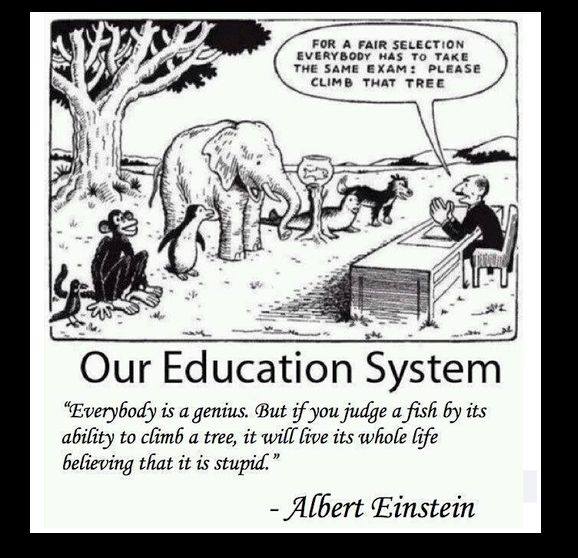
Why do we keep trying to standardize kids?

Why do we keep trying to standardize kids?

Dear WinkWorld Readers,

This particular blogpost is specifically for teachers, families, and librarians.

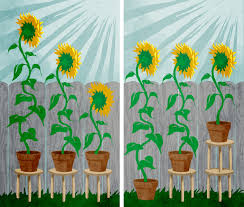
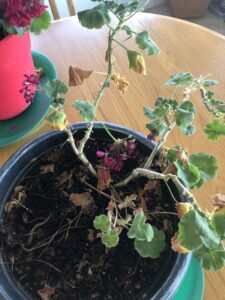
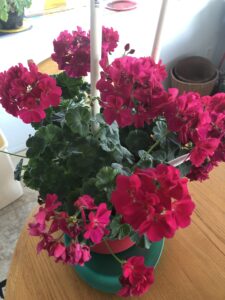
Look at these two geraniums.

Struggling geranium Thriving Geranium

You can easily see that one plant is thriving, and the other is struggling. I wonder why?

Now, here is the mystery.

These two plants came from the same nursery; I bought them at the same time; and, they have received fertilizer at the same time; they had the same amount of sun and darkness.

Then why in the world aren’t these two plants the same?

My geraniums are like kids at home and kids at school. You can raise them in the same home; put them in the same school, with the same teacher, the same curriculum; you can treat them exactly the same.

Do the kids in your family all turn out the same? Do the kids in your classroom all turn out the same? Nope?

Why?

There are no standardized plants, just as there are no standardized kids.

Each child is unique with individual needs and interests.

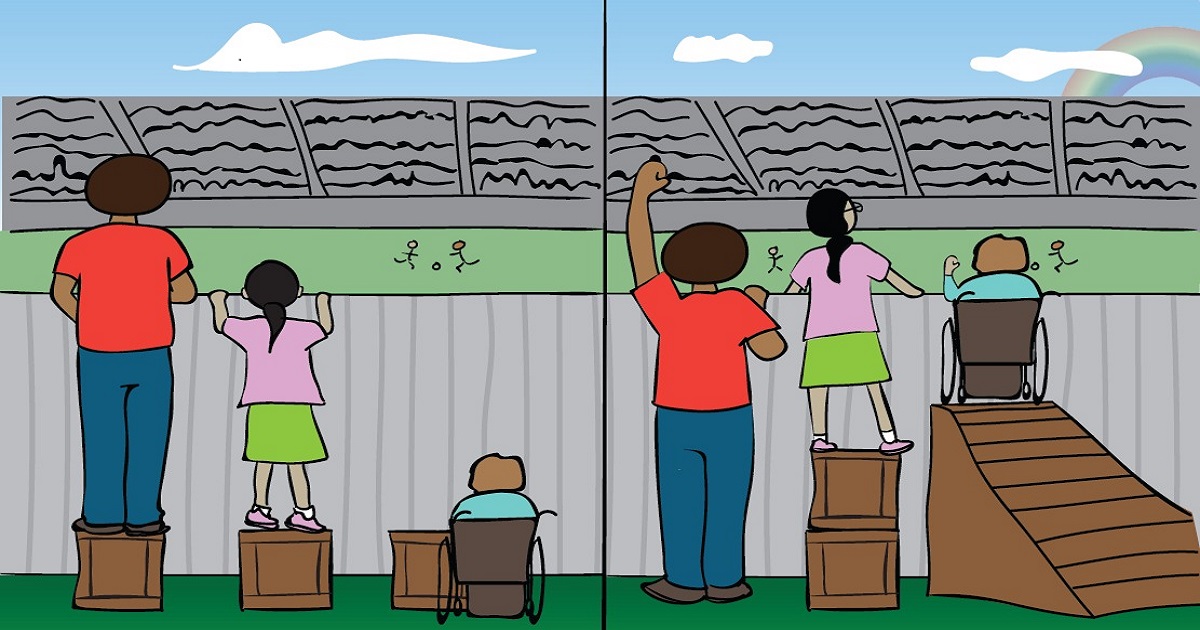
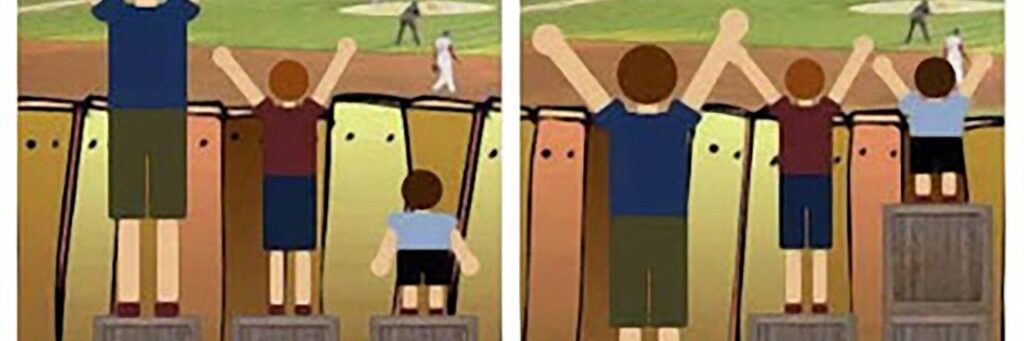
Parenting and teaching is very complex. Teaching and parenting kids equally, does not always work, as kids need equity.

Equal and equity: What’s the difference?

This image has been used for years to help us understand the difference between equal and equity. I do not know the originator who created this, but I very much appreciate his/her work. Thank you.

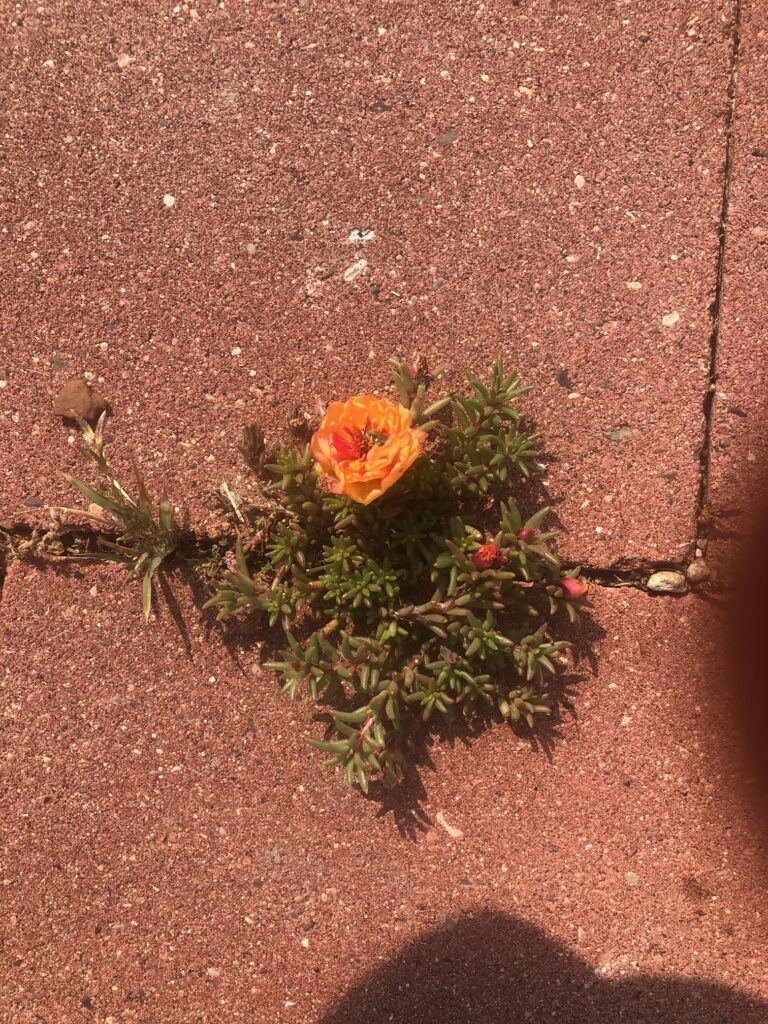
But, sometimes kids and plants grow up in spite of us, just like this little moss rose, which popped up between the cracks in our sidewalk.

September 15, 2020Read More
Read Aloud. Read Along. Read Alone. Read Again: Thanks, Russ Walsh

Read Aloud. Read Along. Read Alone. Read Again: Thanks, Russ Walsh

Dear WinkWorld Readers, this blogpost is specifically for teachers, families, and librarians–or anyone who cares about kids and reading.  Whether your little reader is at home or in class this fall, Russ Walsh (russonreading.blogspot.com) has a  great idea, which you might want to try. 

Reading Instruction at a Distance:
Read Aloud, Read Along, Read Alone, Read Again

Child using computer

http://russonreading.blogspot.com/

Echinacea

August 22, 2020Read More
Wink Ranch, 2020 by Dawn Wink, Dewdrops

Wink Ranch, 2020 by Dawn Wink, Dewdrops

Dear WinkWorld Readers,

In her blog, Dewdrops, Dawn Wink shares a bit of our summer on the ranch.  I hope you enjoy. Just click on the two live-links.

Part One

Wink Ranch, July 2020

Part Two

Wink Ranch, Part II – Welded Art Sculptures in Lemmon and Rock Climbing in Spearfish, South Dakota

August 16, 2020Read More
3 Models of Pedagogy, Copyrights, and the Citation

3 Models of Pedagogy, Copyrights, and the Citation

3 Models of Pedagogy

Dear WinkWorld Readers,

The purpose of this WinkWorld is to discuss my ambivalent feelings regarding copyright rules and regs.  When I publish, I always try to error on the side of being conservative: I am sure I get permissions when I don’t have to do so, but I do this out of respect for my colleagues. 

However, I am well-aware that much of my writing and my images are all over the web, and teachers can grab and share when something fits their needs.  I always appreciate an acknowledgement, but I do not worry much about it, as I have years of pedagogical materials, and I really only want to share with teachers, librarians, and families.

However, when it comes to images, apparently I feel more strongly–particularly if an image was created for me by a former student, Dayna, who captured my story of pedagogy in Critical Pedagogy: Notes from the Real World.  Dayna’s painting depicts exactly what I wrote (and she read) in that book. It is a treasure, and I have the original painting hanging on our bedroom wall.

Recently, I discovered that a group of colleagues was using this image (without an acknowledgement to Dayna, nor my book) as their profile image on Facebook. I privately messaged and asked them to connect with me, as I was going to send them the image, plus the citation to use.  They did not respond to me, and soon their Facebook page had been removed.

I am aware that this image has been used a lot, as our daughter, Dawn, is a teacher educator, and she tells me that her future teachers regularly turn in my image for their power point assignment in their educational theory class. The students are not aware that Dawn might recognize it. She takes delight in telling the students that the original is hanging painting on her mom’s & dad’s bedroom wall, and it comes from one of her mom’s books.

So, for you, dear readers, at the top of this blog post, I have posted the the image with the citation.

In addition, here is the story, + citation, from my book about the image.

Critical Pedagogy 3rd Ed – Practicing Pedagogy Patiently


Influential SHE and 3 Models of Pedagogy

When I was interviewed for Influential SHE, there were so many stories, which they could have shared.  I was pleased that they chose to share the 3 models of pedagogy image.

InfluentialSHE and 3 Models of Pedagogy

Echinacea

August 3, 2020Read More