View Sidebar
Click on any book icon to see Table of Contents and/or to purchase a copy.

Archive for category: Latest

“Lovebrarians” by Laurie Halse Anderson

“Lovebrarians” by Laurie Halse Anderson

Dear WinkWorld Readers,

This poem, Lovebrarians, comes from a new book, SHOUT: A Poetry Memoir by Laurie Halse Anderson, available now on Amazon.  I am copying the poem and attaching the PDF at the end. 

Thank you, Lovebrarians, whoever you may be.


Lovebrarians

I hated reading. Loathed the ants
swarming across the page, lost

my excitement about school, fought, reduced

to a puzzle with missing pieces.

Once branded, the feeling of stupid never fades

no matter how many medals you win.


But then we rode the bus downtown

me and Leslie, who majored in music

and lived in our attic, Mary Poppins

with a Jersey accent, we rode the bus downtown,

the coins hot from my hand plink, plink

in the box next to the driver, all the way downtown

to a Carnegie library built by an immigrant

so everyone could read, free

and untrammeled by politicians seeking

to bind them into ignorance,

chain them to the wheel.

Leslie promised she’d read me the books

so I didn’t have to be afraid of mistakes

and I wrote My Name in big letters

got my first badge, a library card

I asked the librarian “Can I take out all the books?”

and she answered quite seriously

“Of course, dear, just not at the same time.”


And so, with extra Leslie help and a chorus

of angels disguised as teachers and librarians

for years unstinting with love and hours

of practice, those ants finally marched

in straight lines for me

shaped words, danced sentences,

constructed worlds

for a girl finally learning how to read


I unlocked the treasure chest

And swallowed the key.


Lovebrarians by Laurie Halse Anderson


March 23, 2019Read More
Three of My Artist Friends

Three of My Artist Friends

Dear WinkWorld Readers, 

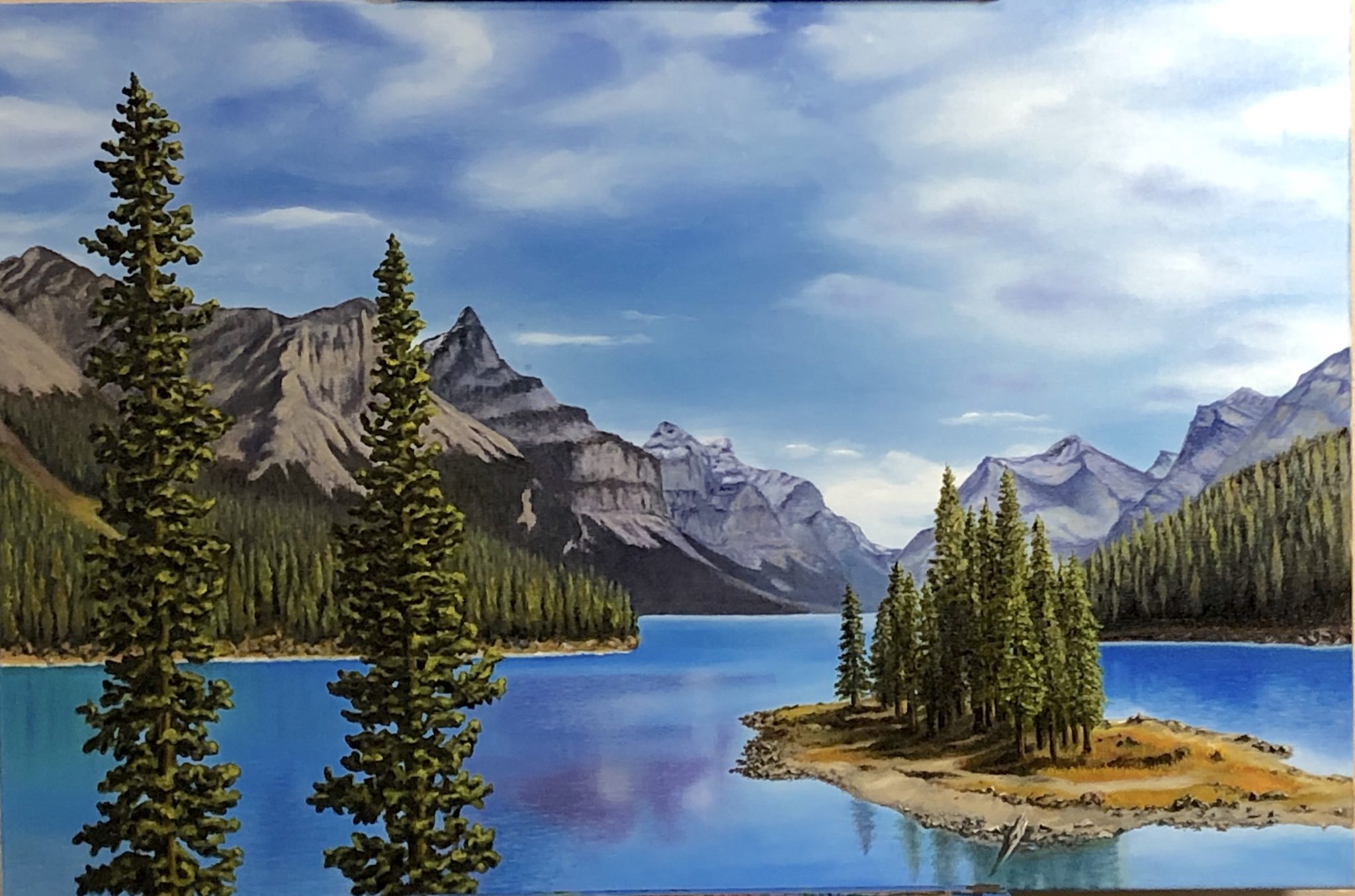
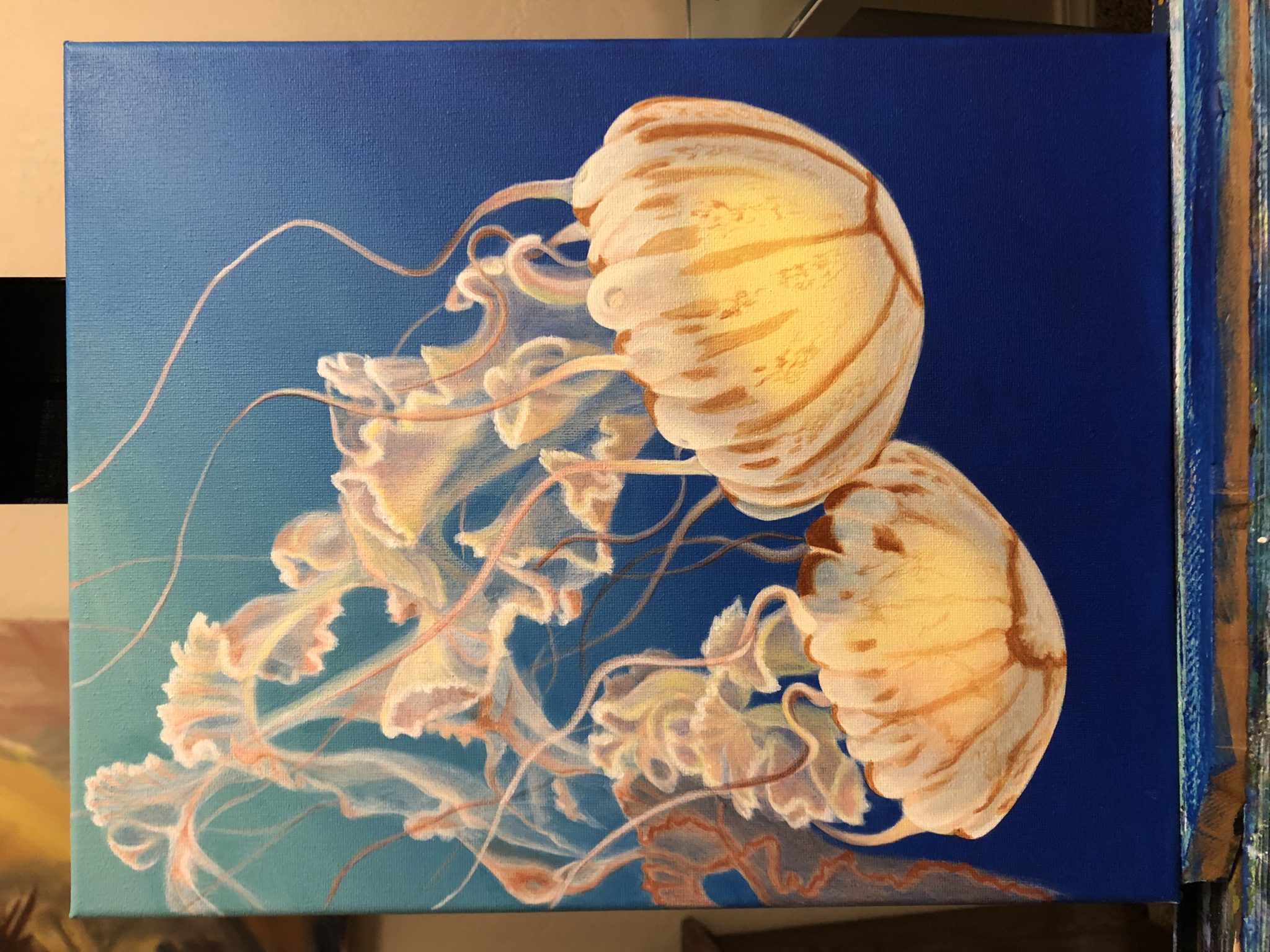
This issue will be very different from my usual posts, but I want to share some of my friends’ art. I have many friends with lots of artistic talent, but I chose these three for a specific reason: They each started painting later in life.  I have known each of them for many years professionally and personally, but I had no idea that they had this talent.  

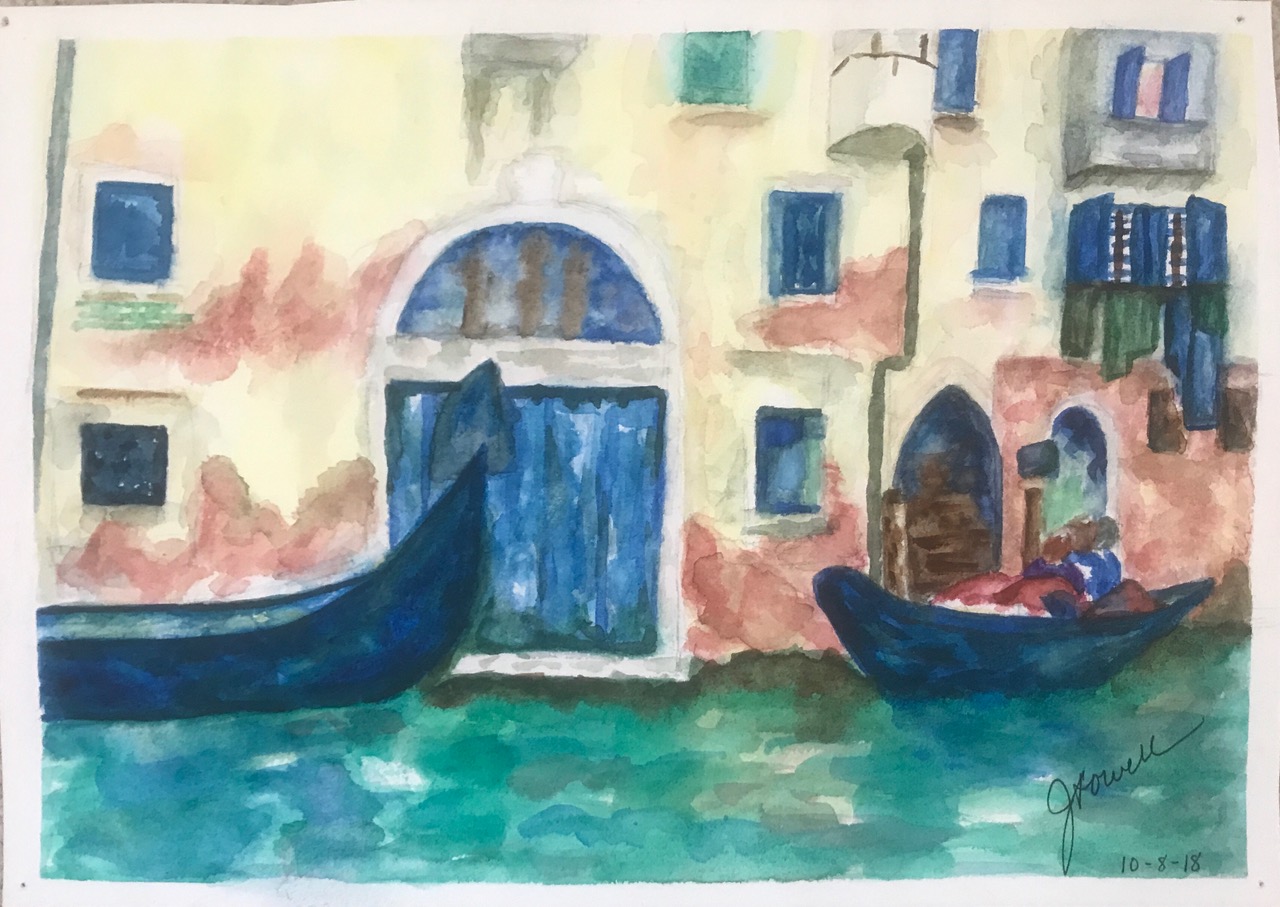
Dr. Janet Towell was my dear colleague and friend during my years at California State University, Stanislaus. Our offices were right beside each other, and we lived in the same neighborhood.  I have such happy memories of our time together.  She was an passionate children’s literature professor, but never once did I see her draw or paint anything.  However, now that she has retired, she paints a lot.  I believe Janet does mostly water colors.

Sometimes this little mouse is holding a book or a heart, and I’m guessing that it even held a shamrock on St. Patrick’s Day.

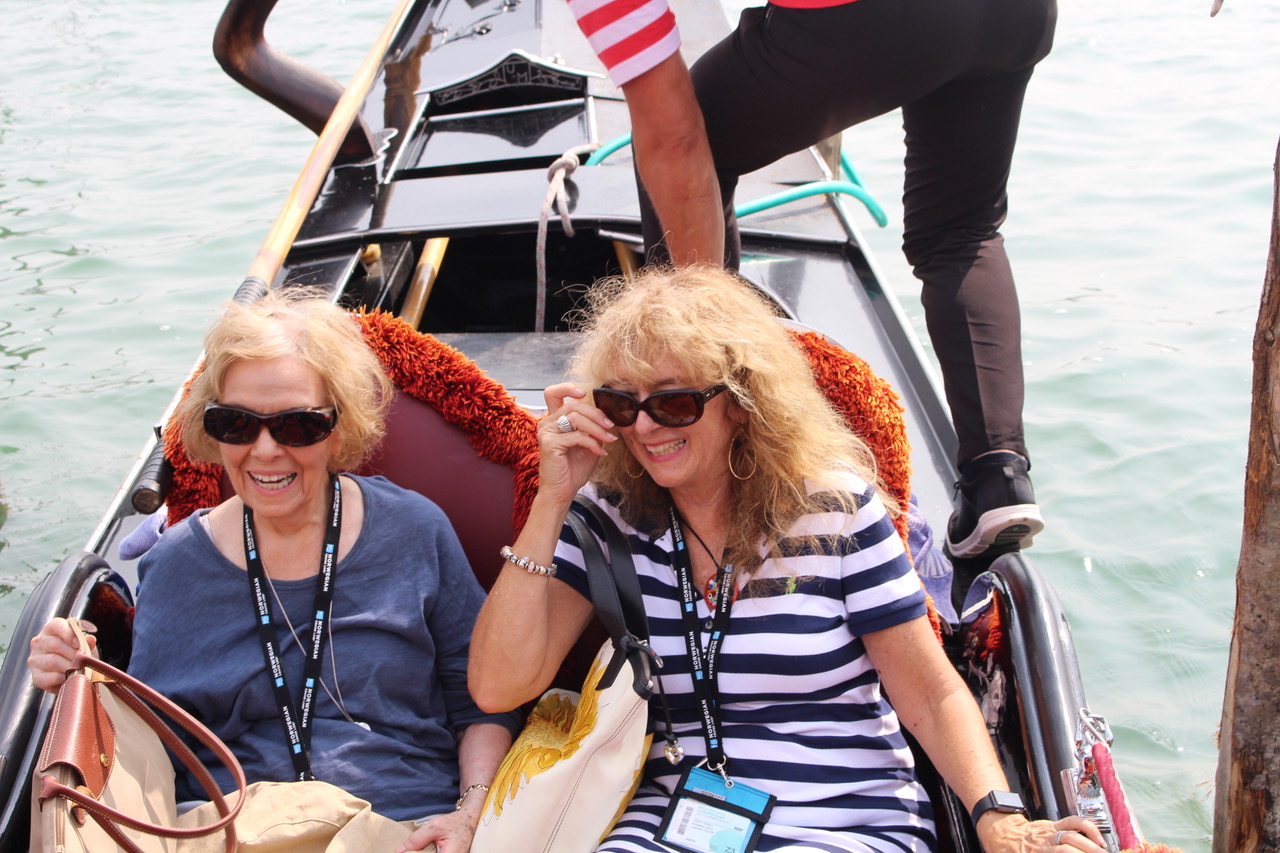
You may recognized the painting above: Venice.  Janet and her husband took Janet’s mom on this trip for her 96th birthday, which was her FIRST European trip, and she loved it.  Below here is a photo of Janet and her mom in a gondola in Venice.


Janet also likes to paint sunflowers. Some of Janet’s art is available at Etsy

Dr. Sharon Whitehead-van Loben Sels

Sharon was once a graduate student in one of my night classes, and I used to notice a CA Highway Patrol (CHIPS) officer walking the halls by our classroom.  I thought he was simply doing his duty and helping with security. Eventually, he came into the room during one of our classes, and quietly sat down in the back by himself.  I thought he was just interested, and I asked him if he had his homework ready.  By the end of the semester, he became an informal member of this class, and we all thoroughly enjoyed him and his contributions to our class.  Several years later, he and Sharon married, and the two of them became (and still are) great family friends. Jan (CHIPS) officer even came to the ranch in the early 90s and help Wink calve out 450 heifers.  Oh, the stories!

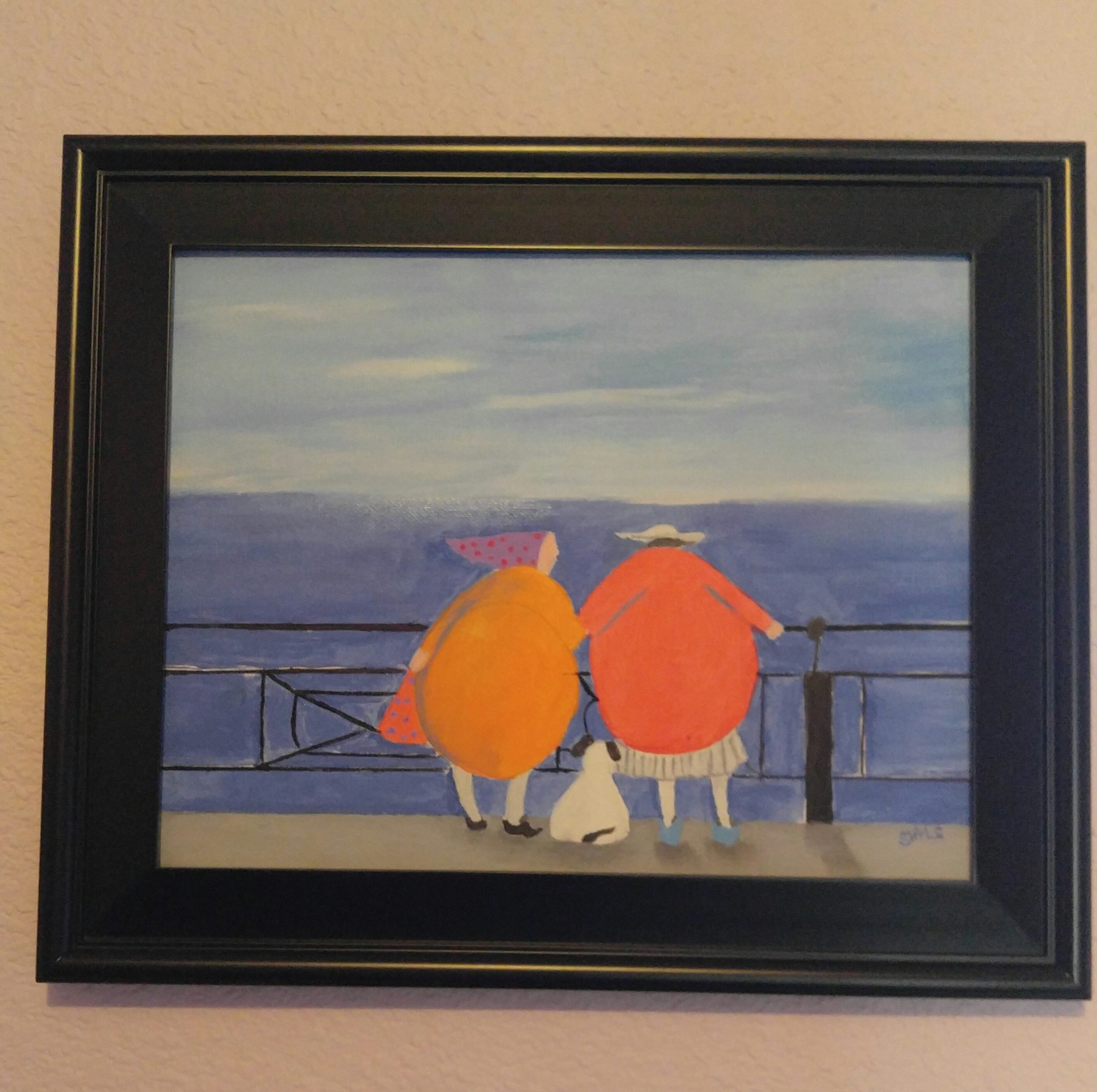
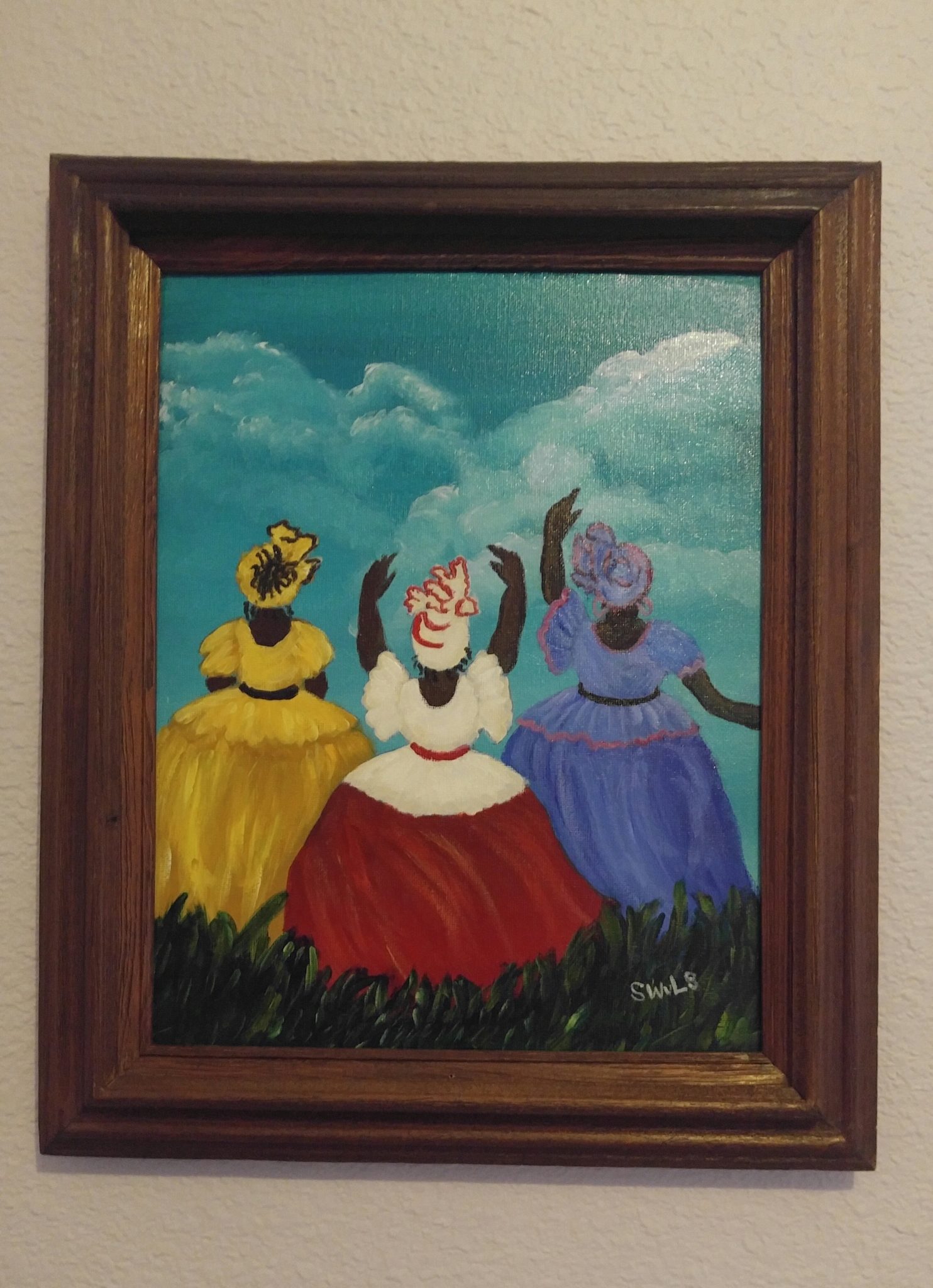
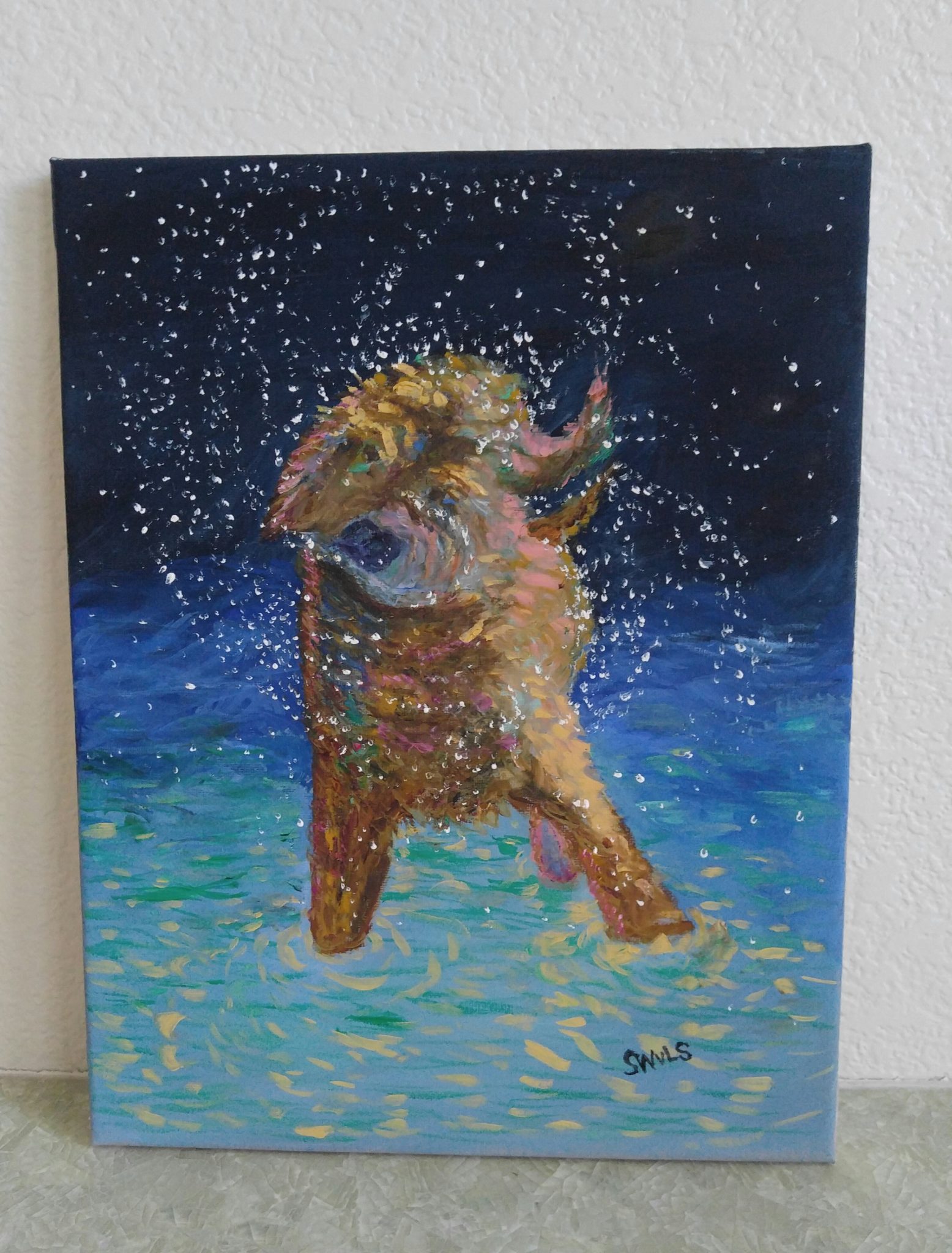
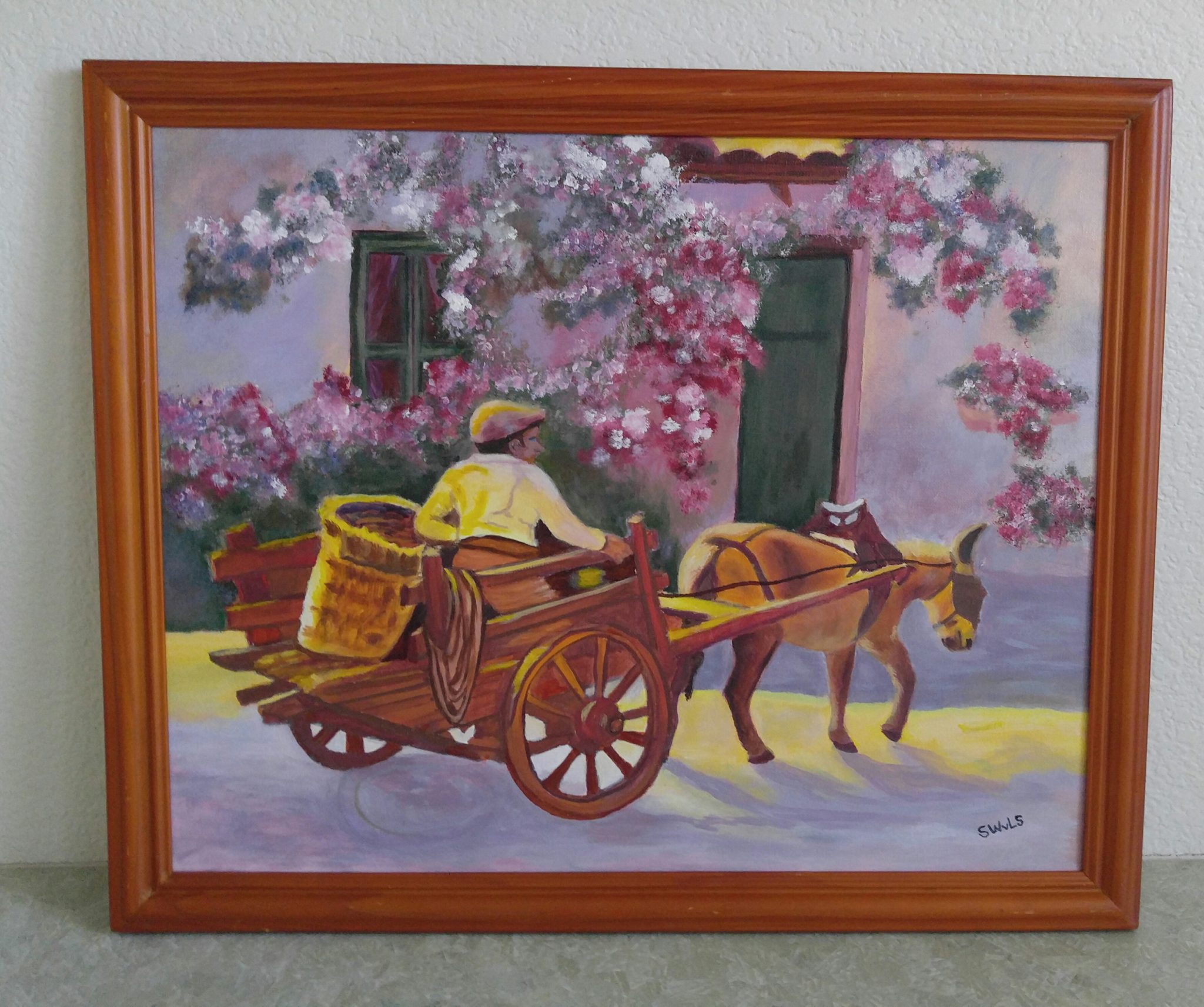
During those days, Sharon read/wrote and read/wrote, but I never saw any artistic doodling or drawing from her.  Now, in retirement, Sharon paints with oils and acrylics.  Here are a few of her treasures.

Balloon Ladies (oil)

Swaying Women (acrylic)

Moonlight Swim (acrylic)


Boy in Cart (oil)

Vicki Reid

Vicki was also once one of my graduate students.  Today she and her family contribute in many ways in her celebration of community through all of the seasons, and she also has started painting; I am posting a few examples including one of her husband. 

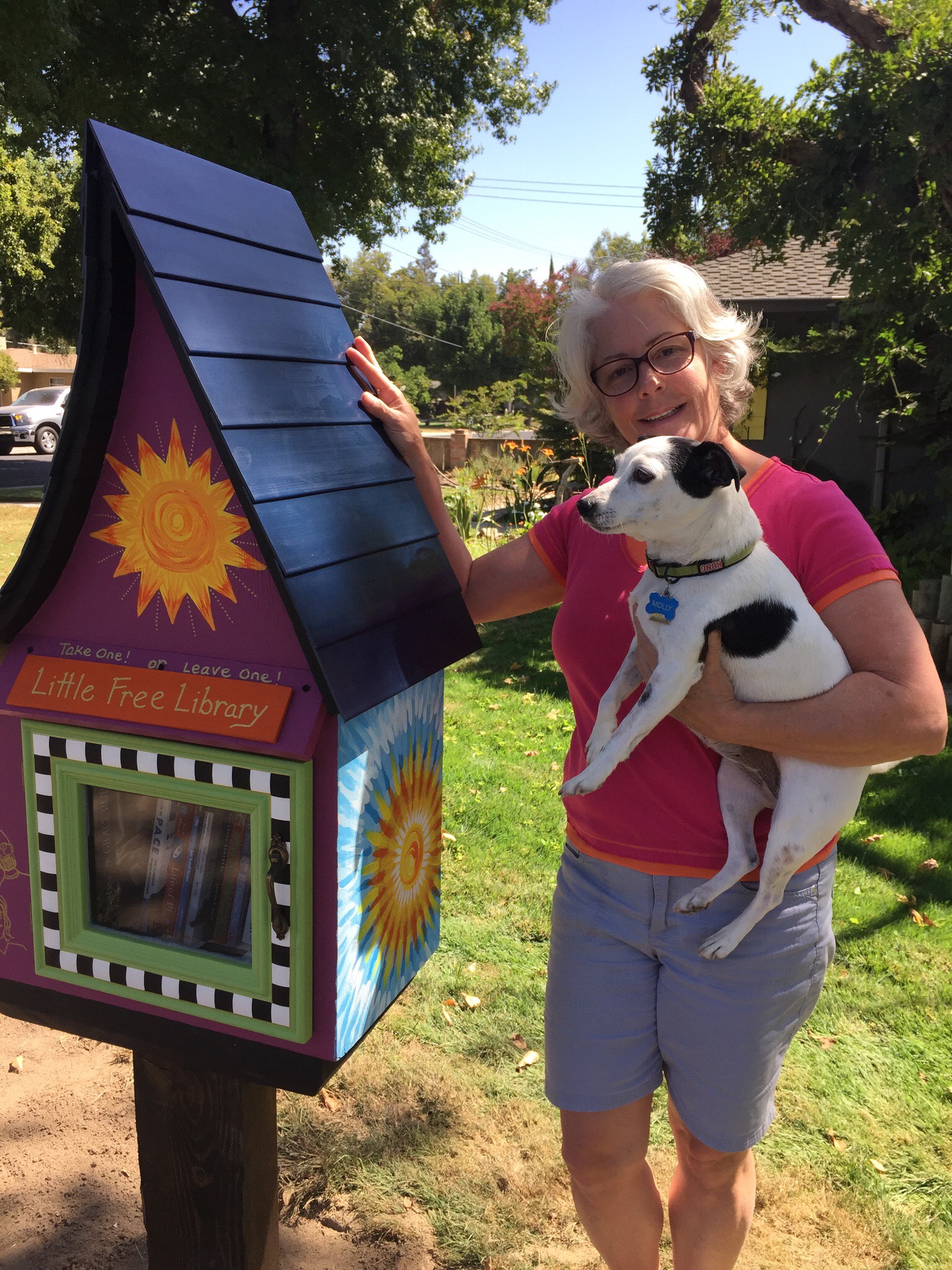
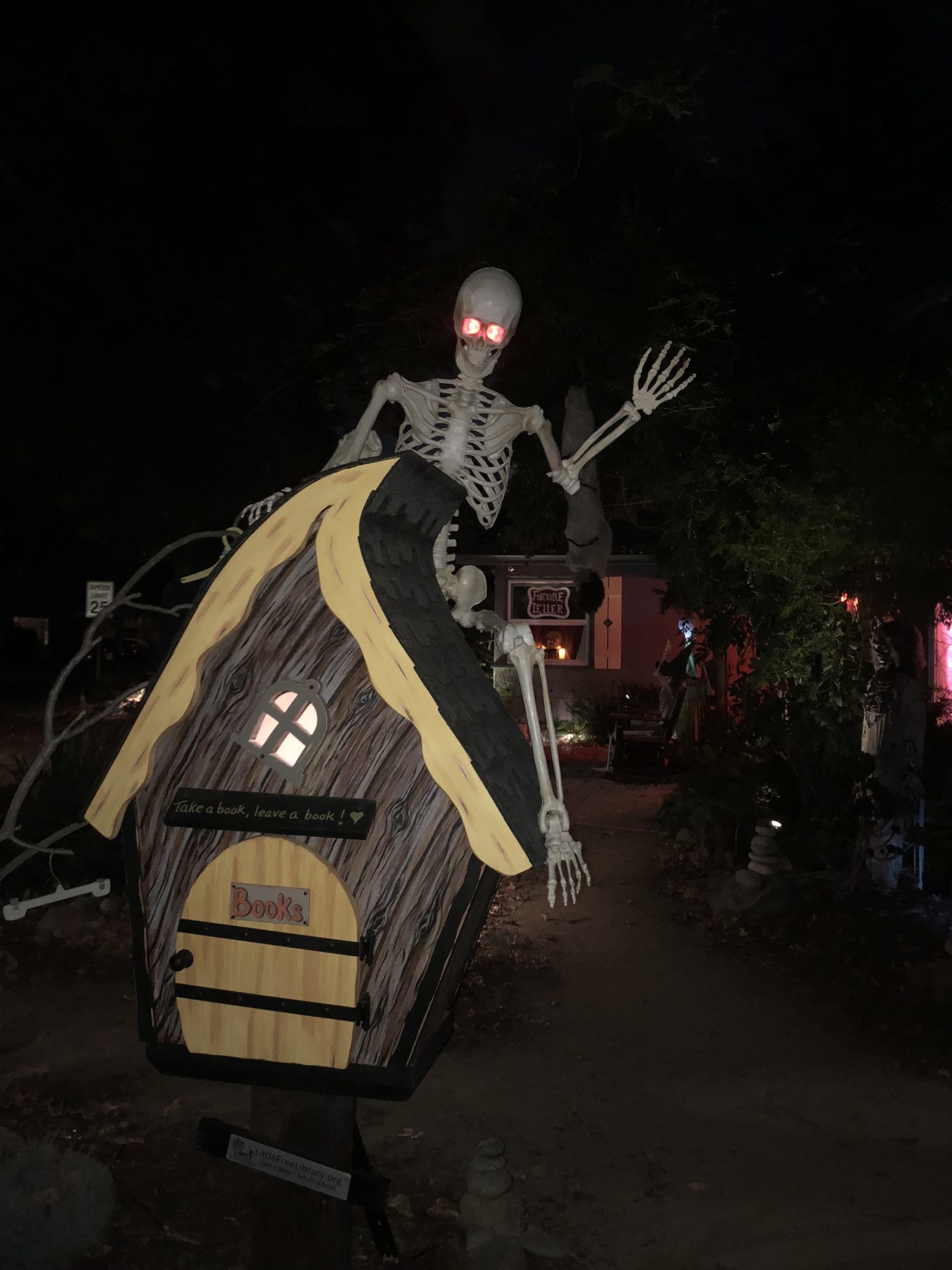
In addition, Sharon and her husband, maintain an very active Little Free Library, which magically changes its look for the holidays.

I am also constantly amazed at what I learn about former students, once a few years have passed.  When Vicki was in my classes, I had no idea that she had once been a former body builder, who was involved in competitions.  Looks to me like she was probably a very good body builder, too!

It seems people are multifaceted.

March 19, 2019Read More
Tucson Festival of Books (TFoB) 2019

Tucson Festival of Books (TFoB) 2019

Dear WinkWorld Readers,

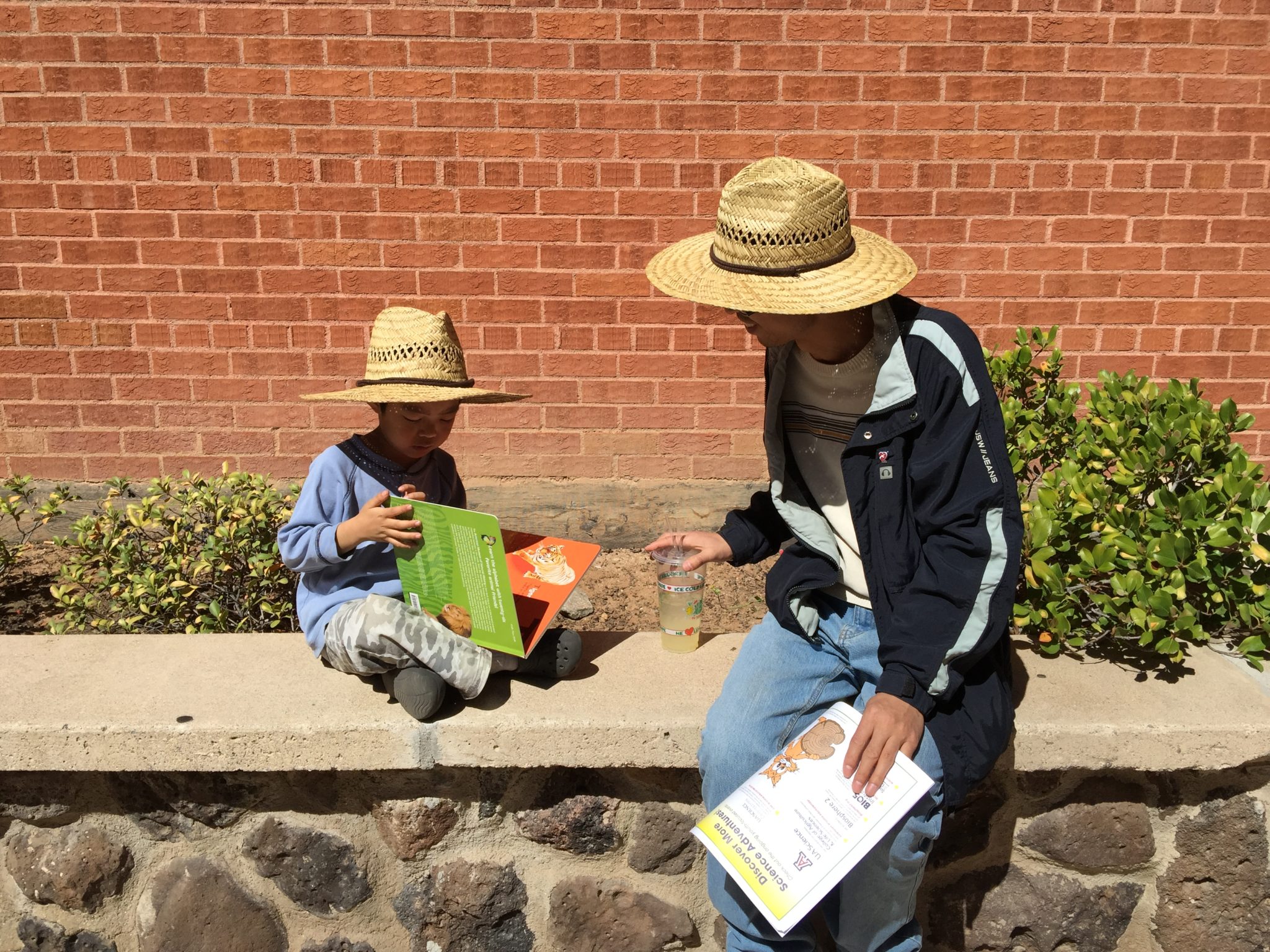
This weekend is the Tucson Festival of Books (TFoB), when more than 100,000 are expected to come to the University of Arizona to celebrate literacy!  Posted below is one of my favorite images from a  previous TFoB.  This little boy was quietly reading his free book (Thank you, Stocker Foundation) to his Dad.


My schedule: Saturday, noon to 3, College of Education professional development table. Love the Tucson teachers! I hope you can stop by and say hello.

In addition, I am honored to moderate a panel of scholars, who love all-things-Latino-and-language, just like me. Of course, my first question will be: How do you use the words, Hispanic, Chicano, Latino, Latinx, and Latin@?  Oh, this will be fun! Hope you can come to hear this panel.

Sunday: El Norte: Beyond Standard Narratives
Location: UA Library – Special Collections
Date/Time: Sunday, 11:30 am to 12:30 pm
Panelists: Carrie Gibson (carriegibson@me.com),
Ilan Stavans (istavans@amherst.edu),
Carlos Vélez-Ibáñez (carlos.velez-ibanez@asu.edu)
Moderator: Joan Wink
Genre: History / Biography
Escort: Charles O’Hara
Signing area: Sales & Signing Area – Integrated Learning Center (following presentation)
The history of the Southwest is multi-layered and complex. A historian, an anthropologist, and a culture critic and essayist discuss the Spanish in North America and their on-going influence on our region.

Sunday, March 3, 11:30 to 12:30, UF Library Special Collections

Carrie Gibson was a journalist for The Guardian, before she decided to pursue her MA and Ph.D.  She has written much of the Spanish-speaking world: Cuba, Santo Domingo, Puerto Rico, and now México.  She consistently tries to make historical sense of the Latino experience in North America.

Carrie Gibson   On her webpage, Carrie lists the names for each of her social media platforms.

Carrie is an immigrant (moving from US to England), and she is the granddaughter of Italian immigrants.  I suspect she is now focused on the US context, and another book will eventually come, which will shed light on our present situation here in the US.

Sunday Carrie will highlight her book, El Norte: The Epic and Forgotten Story of Hispanic America.  Previously, she published Empire’s Crossroads: A History of the Caribbean from Columbus to the Present Day.

Ilan Stavans is a teacher, a journalist, a translator, a radio host, and a publisher, and he writes in Spanish and English.  His focus is immigration, Latino and Jewish cultures, politics, and language.  He is also The Lewis Sebring Professor of Humanities, Latin America, and Latino Culture at Amherst College. Ilan is the Co-Founder and Academic Director of Great Books Summer Camp at Amherst.

Ilan will focus on The Wall (poetry), Don Quijote (a graphic novel adaptation in English and Spanish), and Sor Juana: Or, the Persistence of Pop (a biographical meditation). 

Carlos Vélez-Ibáñez is the Regents’ Professor of the School of Transborder Studies and School of Human Evolution and Social Change of Arizona State University. In 2011, Carlos founded this Transborder Studies program. Throughout his career, Carlos has received many honors and awards. He has written and published books of Mexico and the Southwest of North America.

Carlos will focus on Hegemonies of Language and Their Discontents: The Southwest North American Region since 1540, a book which shines a bright light on history, power, duality, and promise of language. His most recent previous publication is U.S. – Mexico Transborder Region: Cultural Dynamics and Historical Interactions, a book of essays on border studies.

More memories:  

CJ Box and JA Jance are always great attractions at the TFoB.  In the photo below, I am not sure who is photo-bombing whom?

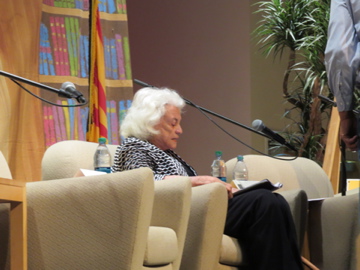
A treasured moment listening to Sandra Day O’Connor, former Supreme Court Justice.

March 1, 2019Read More
EQRC and CARE Conferences: Update

EQRC and CARE Conferences: Update

Dear WinkWorld readers,

I am reposting all updated documents which we used at the EQRC and CARE conferences, as per the request of participants.  Help yourself.

First, EQRC with Dawn (The Research of Storytelling and Scholarly Personal Narrative)

EQRC 2019 RS SPN Narrative Inquiry 2.26 final

EQRC Feb 2019 handout 2.12 jw

Second, CARE with Le (Visually Vygotsky images, stories, newsletters)

VisuallyVygotskyWorkshop_CARE_19 final

CARE Feb 2019 handout_Feb9 jw

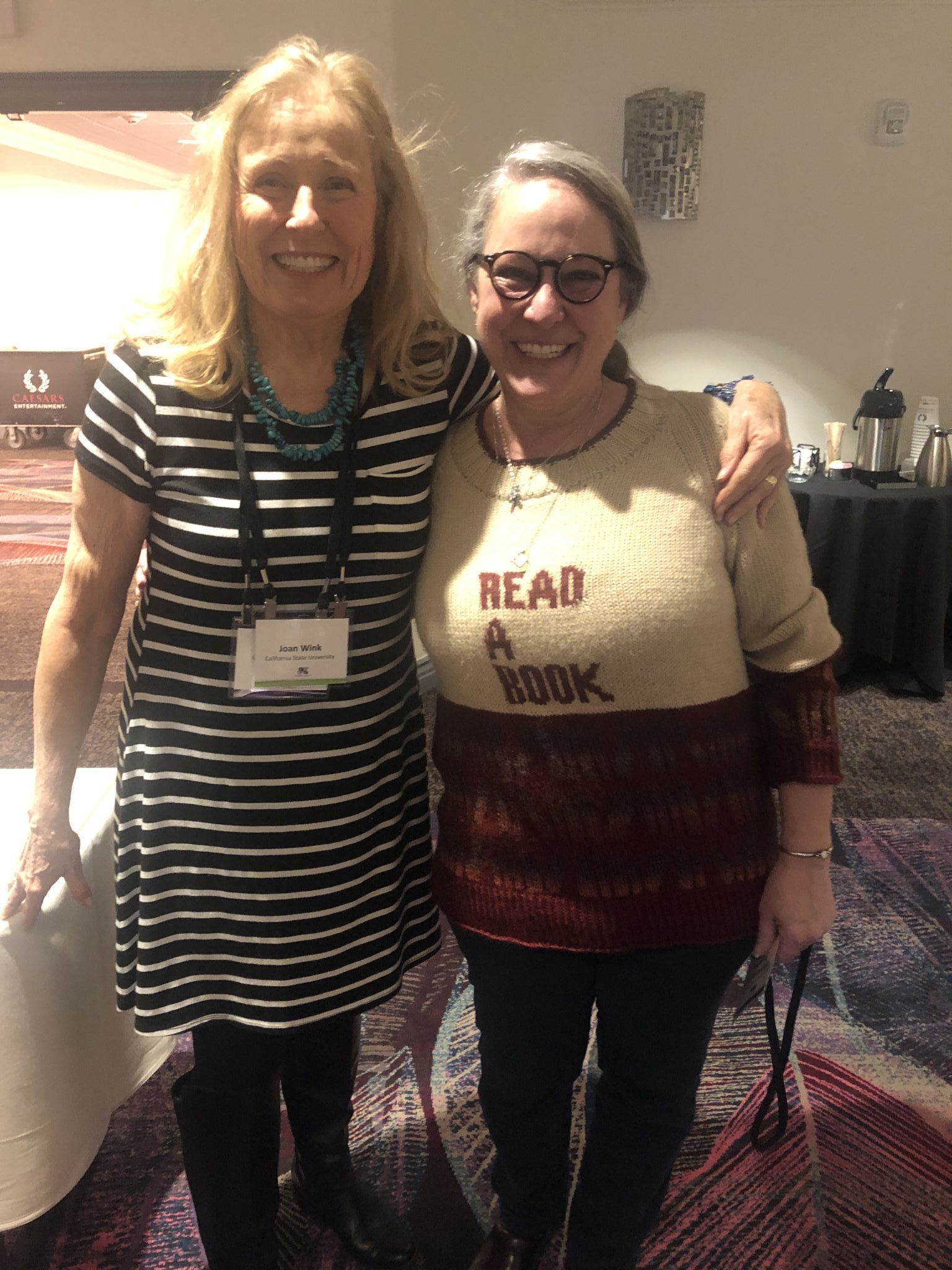
And, the winner of BEST SWEATER EVER (and, yes, she knit it herself).


February 27, 2019Read More
Research Rapture and The Din In The Head: Part Two

Research Rapture and The Din In The Head: Part Two

Dear WinkWorld Readers,

Previously, I posted my thoughts on research rapture and the din in the head on WinkWorld  (May 2, 2018).  I am reposting it below, which will be followed by a short update of those evolving ideas.  My new ideas won’t make much sense, unless you read the first post. 


Research Rapture and The Din In The Head

Research Rapture: Update

Next week at the EQRC  and CARE conferences, the presentation and poster rooms will be filled with qualitative researchers and teachers, and I suspect most of them will have a bad case of research rapture.  The delicate, fragile ideas emerging from their own research will consume and thrill each of them.  For example, Dawn and I will focus on new ideas of the Research of Storytelling (RS) and Scholarly Personal Narrative (SPN), methodologies for qualitative research.  We will talk about WHAT, WHY, and HOW. Le Putney of UNLV and I will focus on creating newsletters of the ideas of Vygotsky.  I can assure you that Dawn, Le, and I have research rapture.  My question:  Do quantitative researchers get this, too?  Tasha Dannenbring and Ana York, you two might have some answers for me next year at these conferences?

Din In The Head: Update

We all know what it feels like to get a song stuck in our head, and it just keeps repeating itself. Turns out (see previous post and citations on this topic), there are many types of dins besides melody din: acquiring additional languages din,  reading din, visual din, kinesthetic din, intellectual din, but nowhere in the literature, do I read anything about the kid din, 

The Kid Din

OK, you’re right; I just made up that term, because I have experienced it, and it is real for me. These kids at a very rural K-8 school are the din in my head.  I love them, and I think about them all of the time. 


I’m sure that many families understand the kid din–particularly grandparents.


February 19, 2019Read More
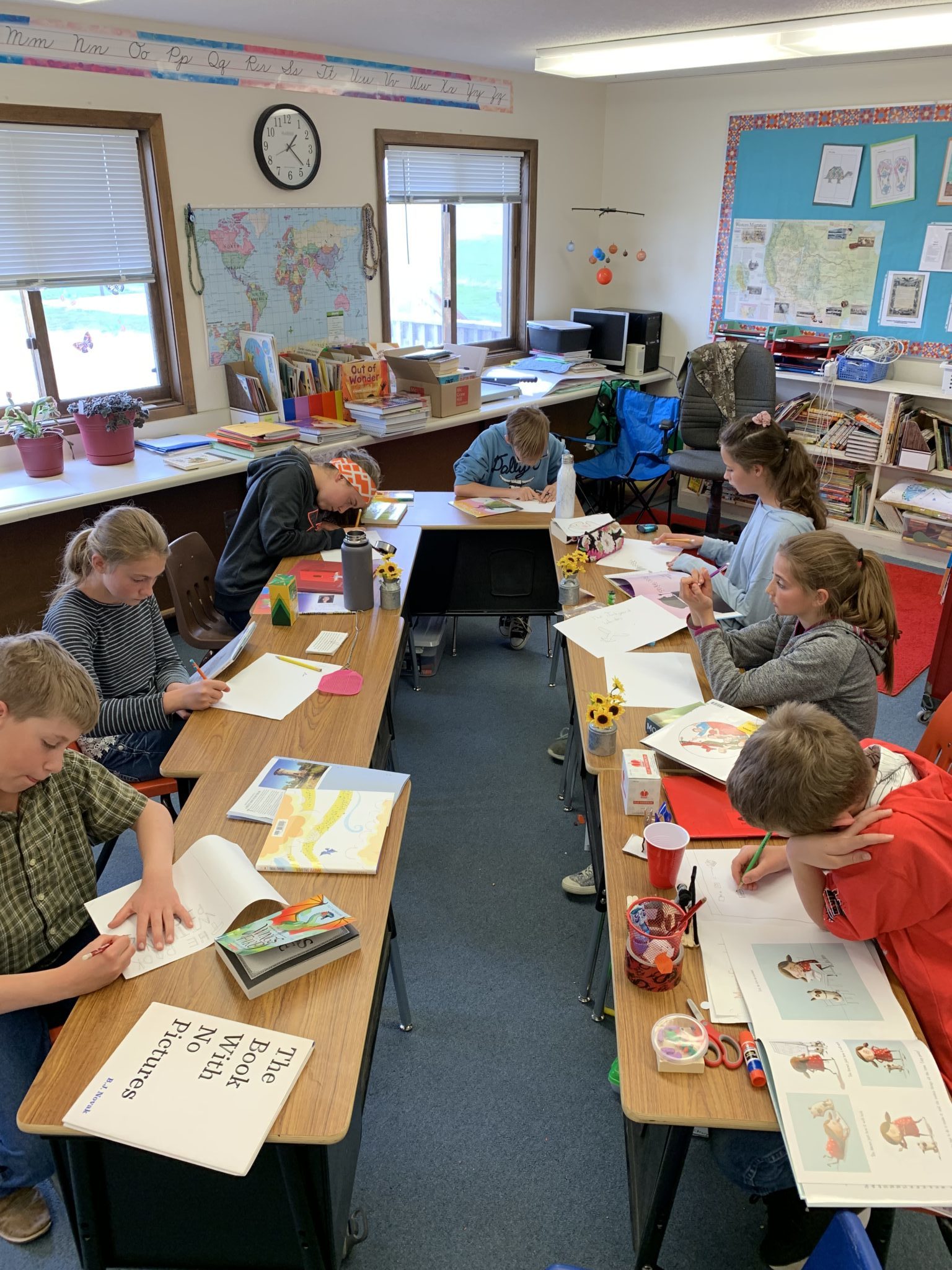
Prairie Pedagogy: The Book Challenge, or Just Read, Read, Read.

Prairie Pedagogy: The Book Challenge, or Just Read, Read, Read.

Dear WinkWorld Readers,

Missy Urbaniak, teacher at a tiny 2-room school on the prairies and Donalyn Miller, literacy guru, are two of my favorite reading teachers.  Donalyn has published The Book Whisperer: Awakening the Inner Reader in Every Child, Reading in the Wild: The Book Whispers Guide to Cultivating Lifelong Reading Habits,  and with Colby Sharp, Game Changer! Book Access for All Kids.  Missy has published “Snowdrifts, Rattlesnakes, and the Children I Love: The Life of a Rural Teacher on the Prairie” in Sonia Nieto’s Why We Teacher Now. 

In 2017, Rural Schools Collaborative, an organization that also awarded her a classroom grant, featured Urbaniak in “The Modern Rural Schoolhouse,” which is posted below.  

Rural School Collaborative interview of Missy 

In addition, Missy was selected as Teacher of the Year, Meade County School District, 2013-2014. Missy, Donalyn, and Sonia all continue teaching, learning, and sharing.

Meet Missy.


Meet Donalyn.

Donalyn is well-known for encouraging access to books for all kids and self-selected reading,  Several years ago, she promoted the 40-Book Challenge.  Missy answered the challenge with the students on the isolated prairies.  Missy shares her experience in the story posted below:

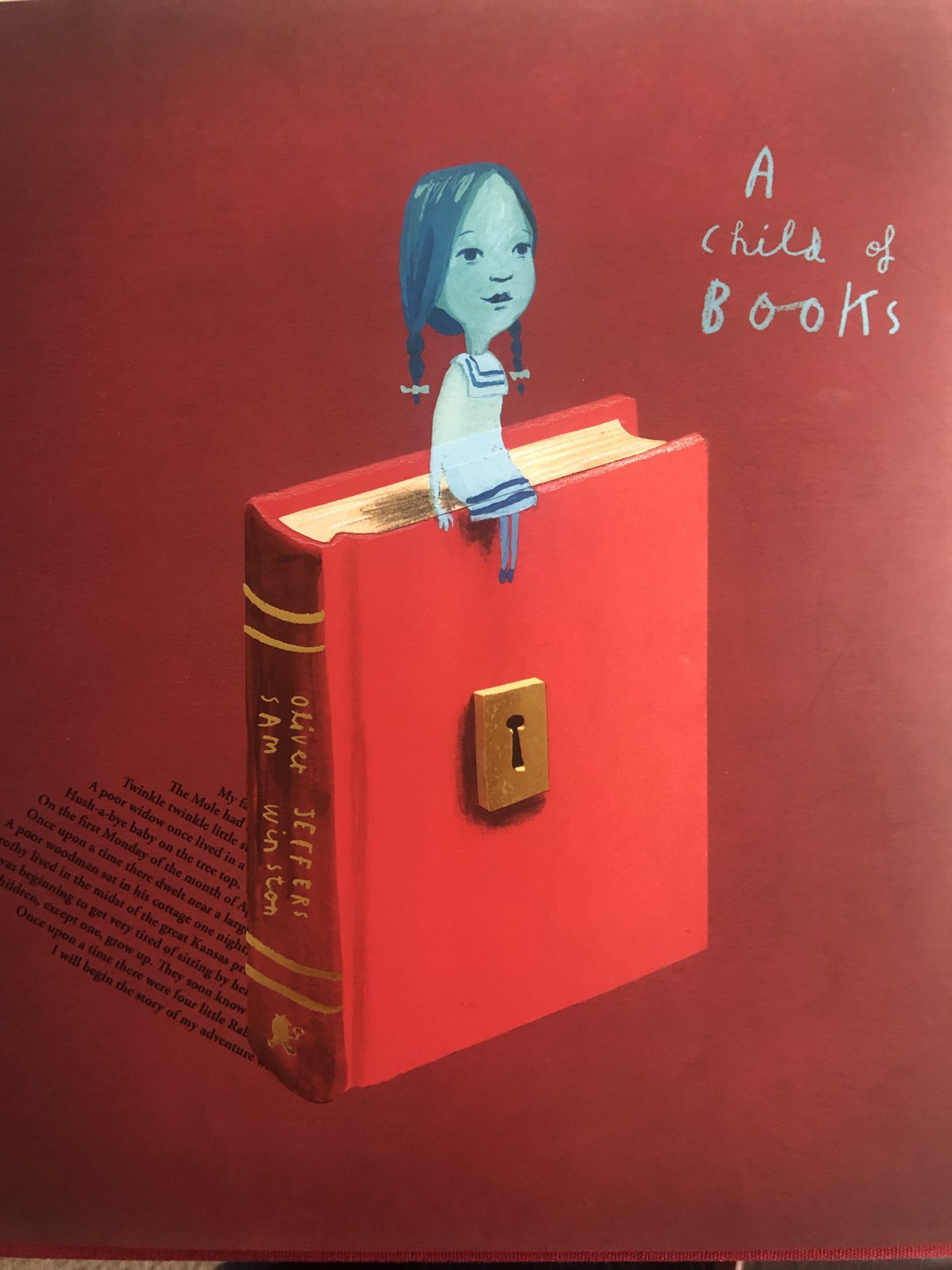
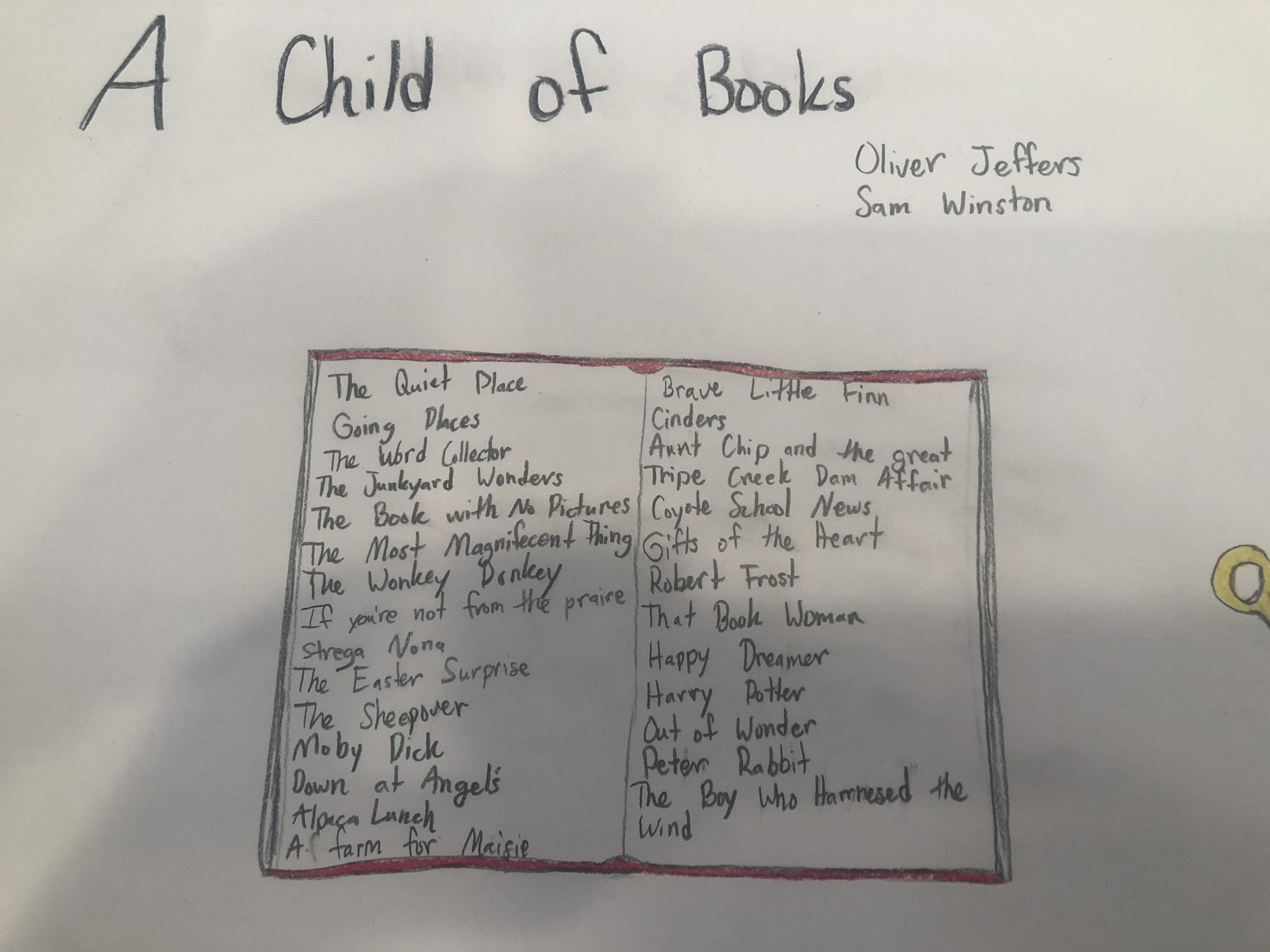
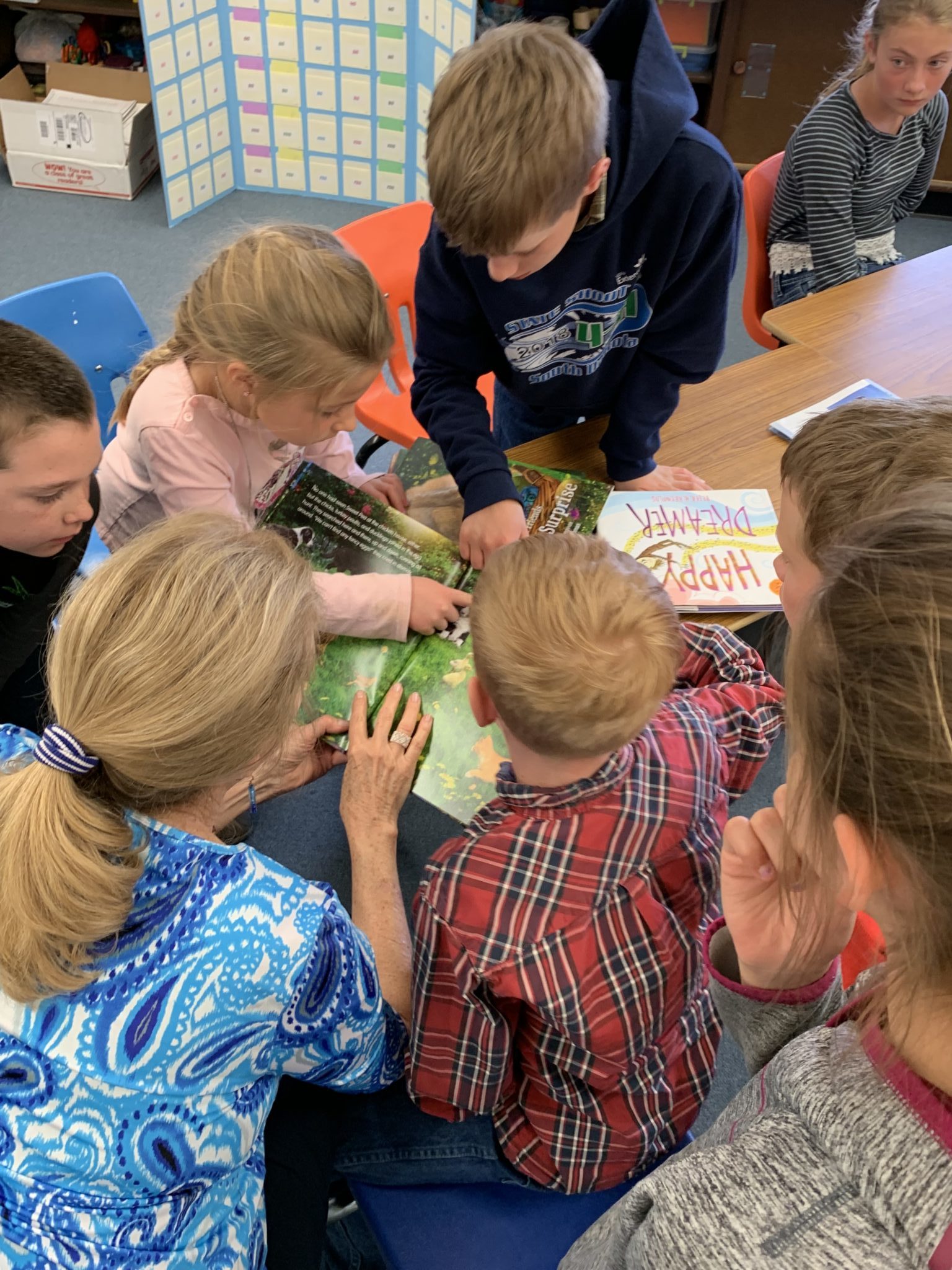
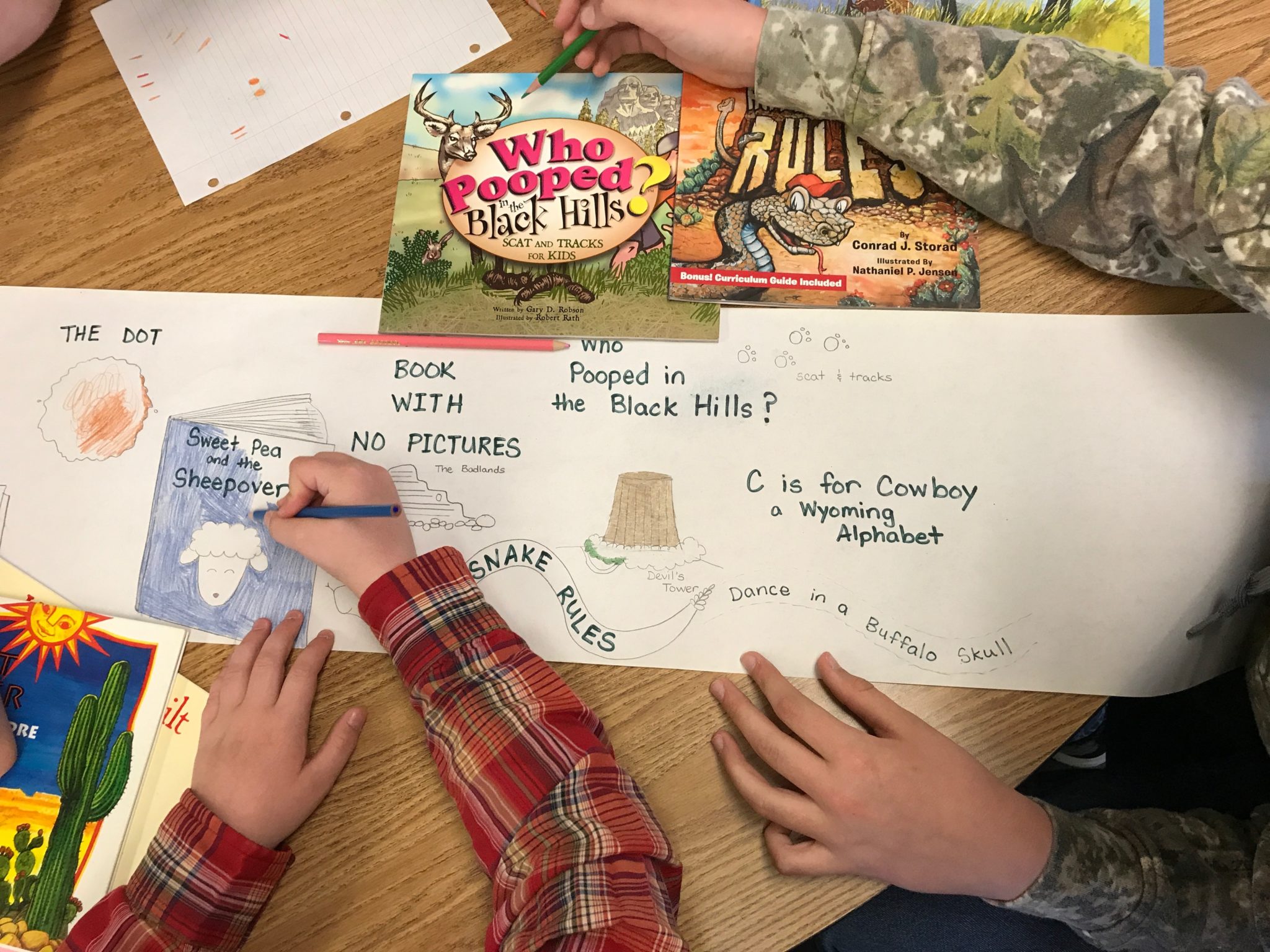
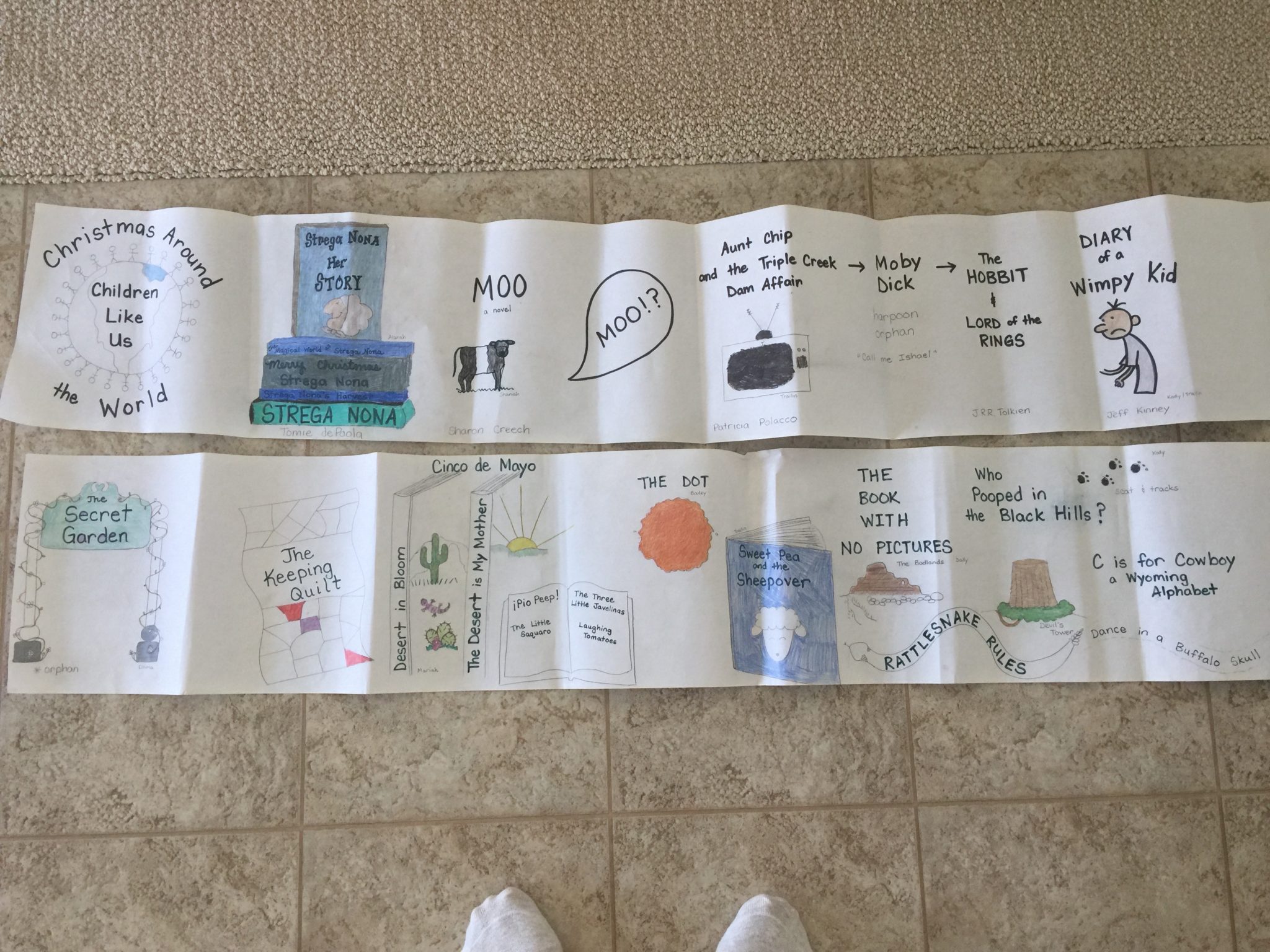
One summer, I read Donalyn Miller’s The Book Whisperer. In this book, she details how she, a fourth-grade teacher, challenged her students to individually read forty books in one school year. The key was that the books were self-selected within certain required genres such as science fiction, poetry, and non-fiction. Her story inspired me to attempt a similar thirty book challenge the following school year for my fourth through eighth grade students. This method was an easily manageable way that I could teach multiple grade levels and hold valuable discussions. Three of the six students involved in the challenge were struggling readers. I had my reservations about saddling them with the sheer volume of text that reading thirty books would require. The challenge was not without its struggles, and we all questioned at various points throughout the year whether or not all six students would complete the challenge. In the end, each student read over twice as many books as they had the previous year. They all read widely, across new genres and new authors. Some of them completed the goal of reading thirty books, some did not, but all of them had succeeded in becoming better readers that year. And you should have seen the beaming smiles as we stacked up the books they had read for a celebratory photo. I am posting the photo of Missy’s son, Bailey, and his stack of books.  What a joy!


This valuable experience showed us that helping a struggling reader is more about finding books that they can connect with, and exposing them to a wide array of literature, rather than lowering the text complexity or expectations.

Since the time of her initial challenge,  Donalyn has written The 40-Book Challenge Revisited

I so hope you will read Donalyn’s posted about her Challenge Revisited.

Posted below here is a photo of the class that year with my husband, Dean Wink, when he was Speaker of the SD House of Representative. He had just visited with the class and left them with the Great Seal of South Dakota. I even squeezed in a couple of grandsons (Garrett and Austin) into this photo.  My blog, my photo choices…. 

February 18, 2019Read More
EQRC & CARE Documents for Participants

EQRC & CARE Documents for Participants

Dear WinkWorld Readers & EQRC and CARE participants,

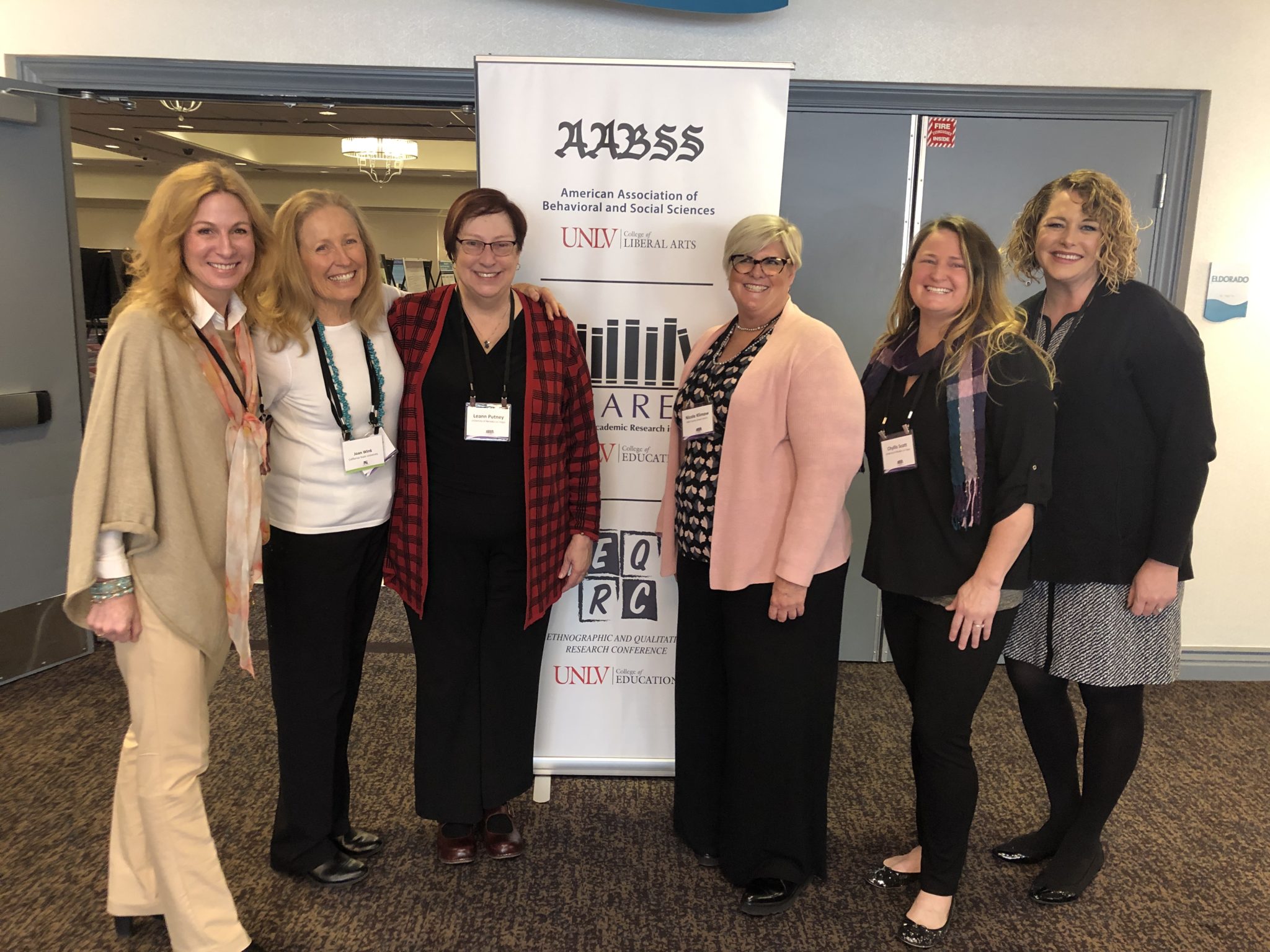
These documents are posted here for the participants attending our two sessions at EQRC and CARE simultaneous conferences in Las Vegas, NV, Feb. 25 & 26, 2019, which are sponsored by UNLV, the College of Education. 

Tuesday, Feb. 26, 2019, 9:40 to 10 a.m. in the Redrock Room of the Flamingo

A Case for Utilizing the Research of Storytelling and Scholarly Personal Narrative in Qualitative Research Studies,” which Dawn and I are presenting.  One of the things I love about this conference is that presenters have only 20 minutes total to share idea–not 21! It is amazing how everyone respects the time limits so as not to bleed into others’ time. This enables participants to hear many new ideas in a day.  In addition, the large room with many poster presentations are so accessible.  Participants are invited to follow their own curiosity and visit with as many researchers as their own personal time allows.

First, I am posting our PPT. Help yourself.

EQRC 2019 RS SPN Narrative Inquiry 2.12.19 jw

Second, I am posting a Word doc handout, which all participants will receive during the presentation.  Help yourself.

Here is the handout as a Word doc for participants. Help yourself.

EQRC Feb 2019 handout 2.12 jw


Tuesday, Feb. 26, noon to 1 p.m. in Reno 1 of Flamingo

In addition, LeAnn G. Putney and I are presenting our ideas on Visually Vygotsky through images, stories, and classroom newsletters.  While our newsletters contain the concepts from Vygtosky, participants will be invited to create their own classroom content newsletters, as Le demonstrates how to do it. You will notice this presentation goes an entire hour, as the last 1/2 hour is an interactive workshop for all to create their own newsletters.

Posted below here is the handout which each participant will receive.  Help yourself.

CARE Feb 2019 handout_Feb7_winkworld

February 12, 2019Read More
Visually Vygotsky: Our Guide to Images, Stories, and Newsletters

Visually Vygotsky: Our Guide to Images, Stories, and Newsletters

Dear WinkWorld Readers, 

Later this month, my friend/colleague, Le Putney of  UNLV and I will be presenting on Vygotksy at the Conference on Academic Research in Education (CARE) Conference, which runs concurrently with EQRC and AABSS. Through the years, we have often turned Vygotsky’s complex ideas into visuals and stories, and now newsletters.  Our visuals begin on yellow legal pad, with us talking and drawing.  Next, Le takes the ideas and draws them on her computers.  In this WinkWorld, I will share some of the images, and then I will close with samples of the newsletters, which Le has created.  

Vygotsky’s Three Principal Principles: (a) the dynamic and reciprocal interaction between thought and language; (b) the significance of the entire sociocultural context in teaching and learning; and (c) the zone of proximal development (ZPD), which explains how a teacher, mentor, mom, dad, caregiver (more capable peer) can pull a student up to a higher cognitive level through problem solving.

“The Vygotskian perspective opened a door in my mind,” Kelly told her graduate classmates.  “For me, the three concepts are so intertwined that I can only discuss them as a whole.  I tried to understand one at a time, and just when I thought I had it, and the dust was beginning to settle, a door would open beyond.  I felt like Alice in Wonderland as I made my first journey through Vygotsky’s house” (Wink & Putney, 2002, p. 40).

Thought and Language:

“Language is the skin of thought.”

Oliver Wendell Holmes

To cite: Language and Thought Dynamic. Wink & Putney, 2002, p. xxvi.

“Thought is not merely expressed in words; it comes into existence through them. Every thought tends to connect something with something else, to establish a relation between things. Every thought moves, grow, and develops, fulfills a function, solves a problem” (Vygotsky, 1986, p. 218).

Sociocultural Context:

“Instruction, after all, does not begin in school” (Vygotsky, 1986, p. 208).

To cite: Student in the Center. Wink & Putney, 2002, p. 75.

ZPD

“What a child can do in cooperation today he[she] can do alone tomorrow.  Therefore, the only good kind of instrction is that which marches ahead of development and leads it…” Vygotsky, 1986, p. 188.

To cite: Hot Air Balloon. Wink & Putney, 2002, p. 88.

Le has now moved on to creating a series of newsletters for her classes at UNLV.  Three examples of the first pages are posted below.  During our CARE Conference presentation, she will be sharing the newsletters as examples of how teachers can create classroom newsletters for the students in their own classrooms.


When I first met Le, she was a graduate student in one of my classes.  At that time, I was her more capable peer in Vygotskian constructs. As you can see, Le is definitely my more capable peer in newsletter creation, but during the CARE Conference, she will pull me up through my zone to my next developmental level of creating newsletters.

If you would like a copy of the handout for the participants, click on the PDF posted below here.

CARE Feb 2019 handout_Feb7_winkworld

To view and/or buy one of our Vygotsky books, see below.

2002, first edition (gray foggy mountain cover): Usually sells for about $30 and the used copies begin at about $7.

The eBook edition (tan cover/blue trim): Sells for about $13.

Click in the box below, and then you have to click on ALL BOOKS over on the right, red icon in order to get to the two Vygotsky books.

All Books by Joan Wink

References

Vygotsky, L. S. (1986). Thought and language. Cambridge, MA: MIT Press.

Wink, J., & Putney, L. G. (2002). A vision of Vygotsky. Boston, MA: Allyn & Bacon, A Pearson Education Company.

February 9, 2019Read More
Critical Pedagogy: A New Review

Critical Pedagogy: A New Review

Dear WinkWorld Readers,

What a nice surprise popped into my email today.  I do not know this reviewer, nor this journal, but it sure is a nice way to start a new day.  I very much appreciate Kyle LaPaglia’s review of Critical pedagogy: Notes from the real world (4th ed), which was just published in The Journal of Qualitative Research.  I note that LaPaglia cites Longman as the publisher.  Longman’s did publish the first edition, then Longman’s morphed into Addison Wesley, which morphed into Allyn & Bacon, which morphed into Pearson/Prentice Hall for the publication of the last edition.  It was a confusing and bumpy ride of publishing during those years, and I wondered how my editors could even find their desks when they came to work in the morning–much less, their present publisher.

LaPaglia’s book review is posted below.

Review of CP AJQR Jan 2019

Click in the box below to see the Table of Contents and a few live links for your reading pleasure.  


Critical Pedagogy 4th Edition

The cheapest used copy of that book today is listed with Amazon for $61.91.  Good grief–it is not that good. 

Pearson sells it for $73.91 today.  Click here.

Barnes and Noble often has used copies online for about $35.

Alibri.com often has $20 to $25 copies.

Some (thriftbooks.com and abebooks.com) used online book stores sell it for $5 to $10.

And, Books-a-Million has them from $2.99.


February 2, 2019Read More
What? Stories Are Data? (bibliography included)

What? Stories Are Data? (bibliography included)

Dear WinkWorld Readers,

We don’t want data–we want a good story. We don’t remember facts, but we never forget a good story. But, if stories are data, it widens our perspectives on research.

Storytelling opens the door to literacy, learning, and love.  Storytelling links literacy and libraries.  Storytelling links students with teachers, librarians, and family members.  Storytelling initiates peer and intergenerational conversations.  Storytelling makes complex information accessible for all.

Thank you to Katie Knox for doing the images for The Power of Story (2018); this image is on p. 53.  I remember that Katie told me that this one reminded her of her own dad reading to her.

As some of you know, Dawn, our daughter is working on her dissertation. At the moment she is concentrating on methodologies.  Narrative inquiry has attracted her attention, as has Scholarly Personal Narrative (SPN), which is new to me.  Dawn replies, “Mom, this what you do?”  Meanwhile the Research of Storytelling or RS (yes, it is now a methodology) has caught my fancy, and I have no idea why.  The two of us will be sharing our ideas at 31st Annual Ethnographic & Qualitative Research Conference (EQRC) at UNLV late in February.

I am enclosing the short bib, which we are using and will share at the conference.  Click on the link below if you would like a copy.

Storytelling bib, Wink EQRC 1.18.19

January 19, 2019Read More