View Sidebar
Click on any book icon to see Table of Contents and/or to purchase a copy.

Archive for category: Latest

Intentional and Incidental Learning

Intentional and Incidental Learning

WinkWorld

September 2, 2015

Dear WinkWorld readership,

Now that the school year has begun, I want to return to my WinkWorld blog. In this post I will share a story about our first Face-to-Face class (most of our classes are online) this past week. I have always been intrigued with intentional and incidental learning. I have learned intentionally a lot of things, and forgotten many of them. However, when I incidentally learn something, it seems I never forget it. The same often happens with the teachers in my classes.

I had planned that our objective (intentional teaching/learning) for the day would be the chapter on reading, Foundations for Teaching English Language Learners: Research, Theory, Policy, and Practice (2015) by Wayne Wright. This is a text, which I love, and I know the teachers in my class know a lot about teaching reading. However, in their class reflections, I can see that, in addition,  they learned several other ideas, incidentally.

First, Mem Fox

Read about Mem right here.

Most of the teachers told me that they had never heard of Mem Fox. (Horrors!) I told them to go home and check their children’s books, their class libraries, and the school libraries. Sure enough: Turns out that they know Mem’s children’s stories, but were not aware.

One young teacher from SD found “Where Is The Green Sheep?” and realized that it had been a gift from the pediatric doctor on her son’s last visit.
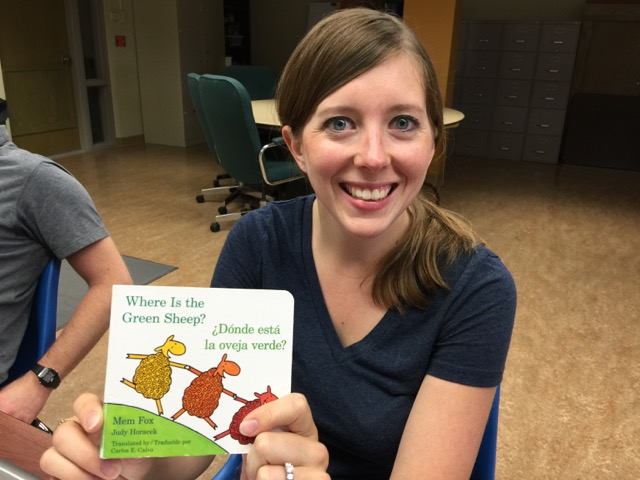
katie mem fox

“And, it is written bilingually,” she told me. Another man from WY found several of Mem Fox books in his kids’ bedroom.

Another teacher in our class shared Mem’s 10 Read Aloud Commandments

Read the 10 Read-Aloud Commandments right here.

Second, Home Run Reading, “The Secret Garden,” and Donalyn Miller

What Is Home Run Reading?

What is home run reading? Read here.

The Story of “The Secret Garden” Being my Home Run Reading Book.

My home run book, The Secret Garden.

Who Is Donalyn Miller?

Meet the Book Whisperer right here.

What is the 40 Book Challenge?

The 40 Book Challenge Revisited

Donalyn revisits her 40 Book Challenge right here.

The follow graduate student’s reflection wrapped all of this into her two paragraphs.

Last week, I learned a new term: home run reading book…the thought that people who do not like to read have simply not hit their home run reading book really struck me. This makes Donalyn Miller’s 40 Book Challenge even more meaningful, since bringing variety into people’s reading choices just might help them hit their home run.

I also learned that children do NOT need formal instruction to learn how to read. I suppose I knew that deep down all along, since I have no memory of learning to read and entered school already reading. Yet I’ve somehow held an unexplained bias against the whole language approach until the idea of  part-to-whole was explained to me. I learned a lot more about the whole language approach to reading this week, and I find it very interesting.

WW Readers, next week maybe I should mention intrinsic and extrinsic rewards…dare I mention Alfie Kohn?

Third, Alma Flor Ada

Read about Alma Flor Ada right here.

Next, I see on their reflections that that they think they are not aware of Alma Flor Ada, either. I’m just waiting for them to find some of her beautiful bilingual books in their class and school libraries.

Fourth, Johanna Basford, “Ink Evangelist, or adult coloring book author”

Meet Johanna Basford right here.

OK, I’ll admit it: I just happened to have my “Secret Garden” adult coloring book and colored pencils with me.

I remember when I taught middle school in the late 1970s that if I kept blank paper on the 8th graders’ desks, we didn’t have discipline problems. I remember, also, that the school had some fancy discipline plan that we, teachers, were to learn and follow, but I could barely get through a day, much less manage some complex discipline program. I remember telling the principal: “I just can’t do it. Blank paper is better for the kids and me anyway, as the 8th graders just kept writing, doodling, drawing, making connections, generating ideas, etc. I know they can listen and learn at the same time.”

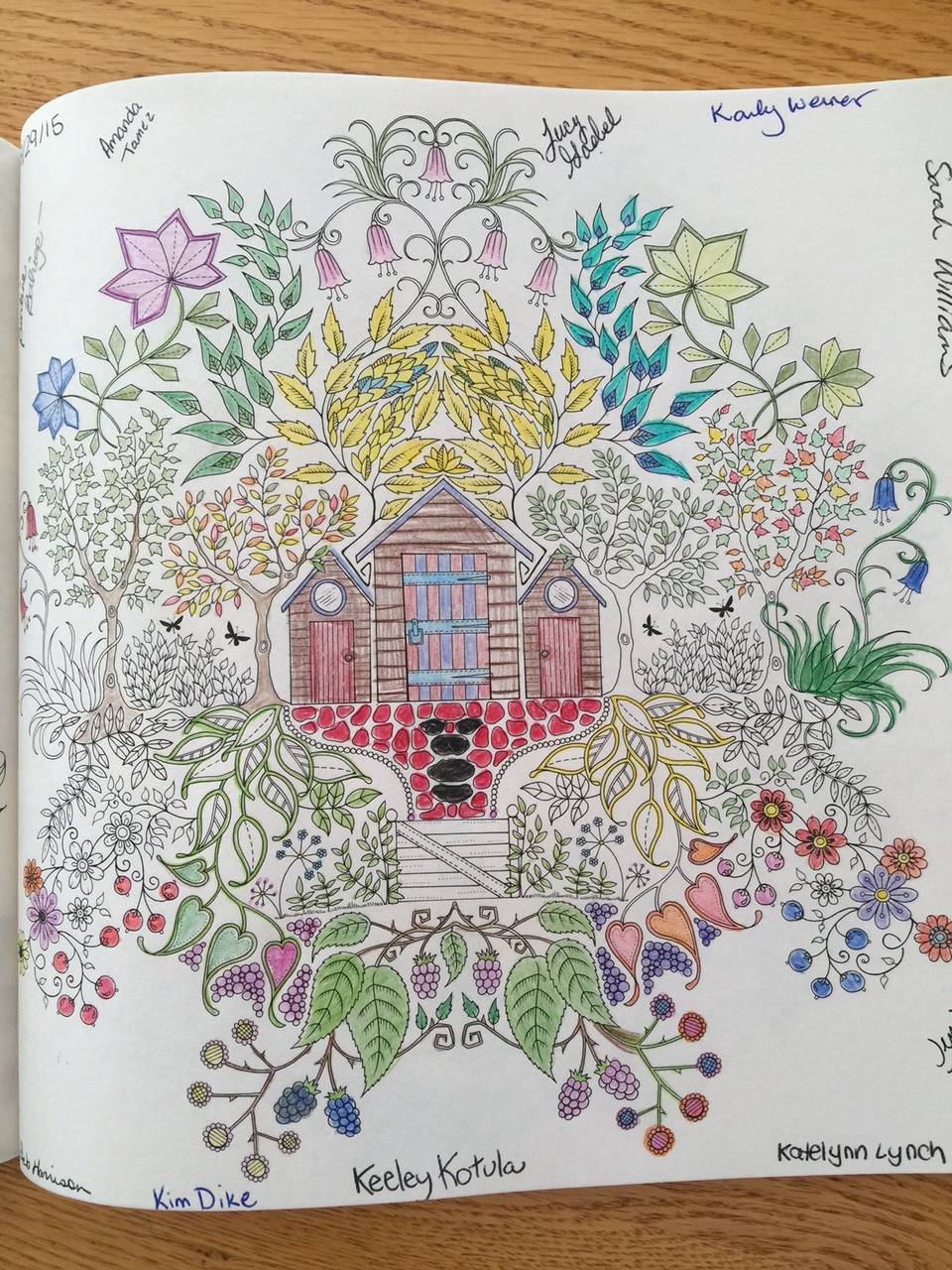
The same is true for the teachers in my graduate class: They multi-task all of the time, and I know they can listen, learn, and color simultaneously. One teacher wrote on his reflection, “I can listen better, while I color. It seems meditative.”

Here is a photo of what they were doing, while we talked about Mem, Alma Flor, Donalyn, home run reading, and Wright.
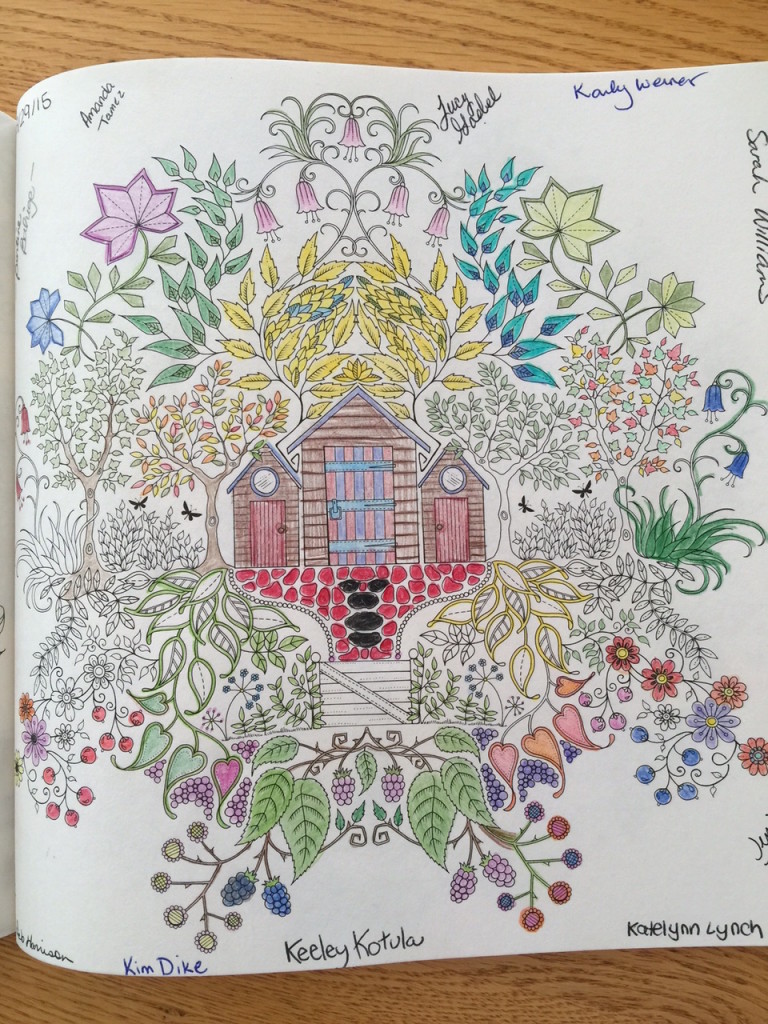
Basford by class 2015

September 3, 2015Read More
Why Stories?

Why Stories?

I have been thinking a lot about stories lately. Why is it that we love to hear a good story? In the next few issues of WinkWorld, I’ll be telling stories about why stories matter.

One reason we love stories is because it is how we make sense of the world, as in the case a 5-year-old girl, V, who simply could not understand numbers from 1 to 100…until she connected them with a story.

V is in kindergarten and comes from a very enriched family with food, books, laughter, languages, and love. We can safely guess that she will do well in school. All of this was true until she met the number 100 and bunch of 10s. V could not count to 100 by 1s, nor by 10s. It was just incomprehensible for her stage of development in spite of base ten blocks and a super teacher. Her family started to count authentic items in V’s life: They collected and counted shells from the beach; they grouped and counted toys at home; they played jump rope and counted; they counted cars when they drove; they picked up stones and counted them. Still, from December until May of kindergarten, those numbers simply made no sense to V.

Frustrated, V’s mom, went to the school librarian, who gave her

a book “Let’s Count to 100” by Masayuki Sebe. See book here.

V and her mom sat down and looked at the pages of the new book.

“Which is your favorite page, V?” her mom asked.

“I hate this book and never want to see it again,” V responded, as she held back tears.   Wisely, V’s mom set the book on the coffee table and moved on to stories, which V wanted to hear.

However, V’s little sister, Z, found the book and started looking at the pictures and telling stories about the “cute animals” in the book. After a few days, V’s curiosity was peaked, and she started looking at the book, also.

V Finds A Story in the Book about Numbers

Suddenly, V found a page with a family of piranha fish, who were busily planning an attack on an elephant’s truck. On the next page, the elephant has a hurt trunk.

2 pages of piranhas and elephants

The story grabbed V’s imagination.

“Read to me, Mom, about this elephant with the hurt trunk,” she excitedly told her mom. V’s active engagement with the story (and, thus numbers) shot through the roof as she began to talk about the other elephants in the story.   Her mom continued to read and to listen.

“Look at all of the elephants–let’s count them, Mom,” she squealed. “Oh, and look at those piranha, let’s count them, too.”

V and her mom counted aloud by ones, and then her mom showed V how she could count super fast by tens, grouping the piranha into their different families.

“I can do that,” V said. And she did. That night, she showed her dad how she could count.

The story of the piranhas and elephants grabbed her interest, and instead of simply trying to memorize abstract groups of numbers, she was grouping the animals of her story.

Now, V’s mom is reading the story about piranhas and elephants over and over again, and V is counting to 100 by 1s and by 10s, V has moved on to other stories about other animals.

V now understands and can manipulate those numbers because of a story.

In the next WinkWorld, I will tell a story of V’s and Z’s mom, who could not make sense of statistics, specifically regression, until she found a story in the stat problems.

June 15, 2015Read More
Socrates Returns to the Classroom

Socrates Returns to the Classroom

I have written and presented on the reflective cycle or Socratic teaching and learning in various places. If you are interested in more of this topic, just go to my joanwink.com pages and use the Search button (bottom left).

In this WinkWorld, I will share a small piece of a new chapter in a book coming soon from Roman & Littlefield; our editors are Mayra Daniels and Kouider Moktari. I had the pleasure of writing this chapter with Kerry Britton, Dee Hawksworth, Tammy McMorrow, Debra Schneider, Chyllis Scott, Ruthie Wienk, and Dawn Wink. Our purpose was to share authentic stories of critically-grounded reflective teaching and learning from various elementary, secondary, and high education classrooms.

The specific pages of the citation will be added when the text is available. I will share on WinkWorld, when we receive it.

Wink, J., Britton K., Hawksworth, D., McMorrow, T., Schneider, D., Scott, C., Wienk, R., & Wink, D. (2015). Socrates returns to the classroom. In M. Daniels & K. Moktari (Eds.), Meeting the challenges of the changing demographics using assessment of instruction that makes a difference in EL’s success (pp. ____-____). New York, NY: Roman & Littlefield.

In what follows is a little peek into our chapter on Socrates in the classroom.

Dear Readers, I bet you are wondering, Why Socrates? Socrates was a thinker, and his thoughts still matters today, as he gave us inquiry-based teaching and learning. Okay, I’ll admit that he did not quite use the same words that we use today, but his legacy is the use of deeper and deeper questions to enhance learning.

Now, your second question will be, How do I do it? So, let’s simply begin with an answer from Dee, who has taught in secondary schools for 22 years. She demonstrates one way of using Socratic Seminars with the teenagers in her class.

“I have learned from the students that there are three essentials of a Socratic Seminar. They are, first, you must have a thought-provoking, open-ended question; second, adequate source material is a must; and third, you need a willingness to simply plunge in.”

There you have it: The mystery is gone. Three simple steps. One little problem: It is not so easy to generate a question that will capture the fancy of teenagers, is it? In addition, it can take so much time to gather adequate source materials in order to have examples and/or quotes ready when needed. However, plunging in can be the toughest part. Oh, the courage it takes to teach passionately, meaningfully, and authentically in this age of teaching to the test.

Socratic teaching and learning has many names: Socratic Circles, Socratic Dialogues, Socratic Seminars, etc. Do not be confused. It is all inquiry-based teaching and learning; it uses questions to guide and empower learning. Almost always, new questions will emerge during the process. In this chapter, we will demonstrate various ways to initiate deeper learning. The reflective cycle, which is very Socratic, will be our primary guide.

Socrates, it is safe to say, was a rather strange man. He wandered the streets of Athens and asked questions of anyone who would listen. When they responded, he would answer with another question. Socrates had no wealth, and apparently no shoes, as he walked the streets barefoot. He was repelled by wealth, and was surrounded by men scrambling for power and money. His message was not always well-received, as he told all who listened that they were on the wrong track. Instead of material things, he said, they should be seeking justice. He had many enemies in positions of power, who did not like him, nor his ideas. In the end he was arrested and charged with ruining young minds; he was condemned as a heretic. His punishment—to drink hemlock, the poisonous plant. He drank the poisoned tea and died comforting his few friends. If you search online for images of him, you will often find him barefoot, with a woman in the background (his wife), the hemlock, and a chicken nearby. From the image of the chicken, we learn about his honor and integrity, as before drinking the hemlock, he paid off an existing debt with his chicken (Weate, 1998).


June 11, 2015Read More
Summer Reading: Get Your Free Book Here

Summer Reading: Get Your Free Book Here

June 6, 2015

No slip, sliding into the summer slump–the reading slump, that is.

Families and teachers often worry about the “summer slump” which they believe will undo some of the academic gains of the previous school year. However, we know that kids with books at home, and kids who live near well-funded libraries and well-funded schools, and kids who stop by my Little Free Library and grab a handful of books are not in danger of slipping and sliding into that slump.

Children of poverty are more vulnerable to the summer slump, as they often do not have access to books. To end the summer slump, read to your kids, read with your kids, and make sure your kids see you reading, too.

And, now a word about the senior slump*, which is defined as any adult, who stopped reading books, after he or she left school. I have noticed that the folks with senior slump often worry about kids not reading enough anymore. To diagnose the senior slump, just ask, “Tell me what you are reading.” If an awkward space of silence follows, you will know that you are dealing with severe senior slump.

*Okay, it’s true, I just made up that term.

Additional Resources for you.

Summer Reading: Program and Evidence by Fay H. Shin and Stephen D. Krashen. Amazon still has some copies left, or you can simply download your FREE pdf version right here.

Summer Reading Program and Evidence Shin and Krashen

Thanks, Fay Shin and Steve Krashen, for sharing with us so generously.

StoriesOnline

Check it out here.

Here are a couple of examples for you to enjoy right now.

“Catching The Moon”

Watch it here.

“Library Lion”

Watch it here.

You will find many, many stories at storiesonline.

Books By The Foot

Learn about it here.


Alfie Kohn always has good thoughts to share, and he is active onTwitter.

@alfiekohn

For example, check out this one!

New study: Best Rx for summer learning loss isn’t summer school or homework, but giving kids free books they choose, which you can find on Alfie’s Twitter, ow.ly/MeF6Q 

Or, here is Science Daily telling about the same study.


June 7, 2015Read More
Reflection: Not About a Cow

Reflection: Not About a Cow

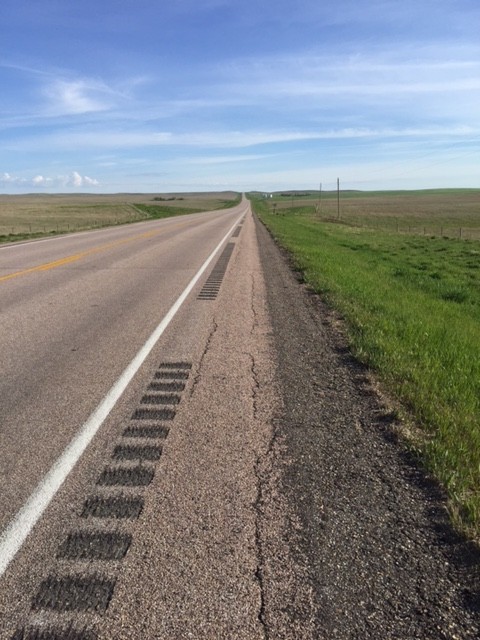
road north

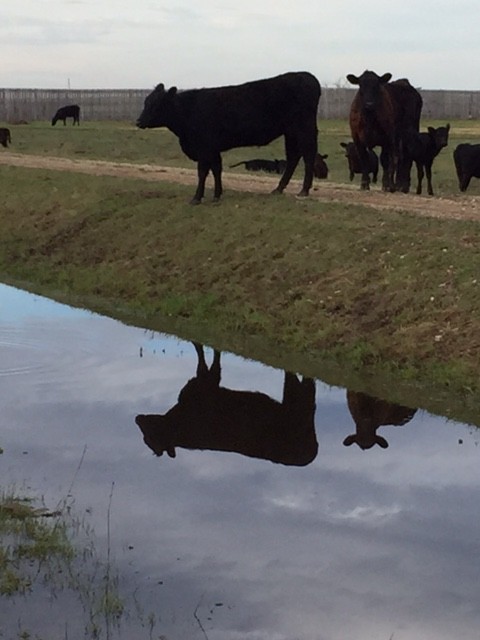
Today when I was out for my morning walk, I came upon this particular heifer.

cow reflection medium

This made me think that some of the best teachers, I know, are very reflective. The problem is that it looks like they are not doing anything, but they are actually doing their most important and productive work: Thinking deeply about teaching and learning. Reflective teachers often focus on a particular student and think about ways of improving the learning of the student or assisting the student in some specific way.

My photo of the reflection of the heifer made me think that I spend a lot of time reflecting myself, and suddenly this image popped into my head.

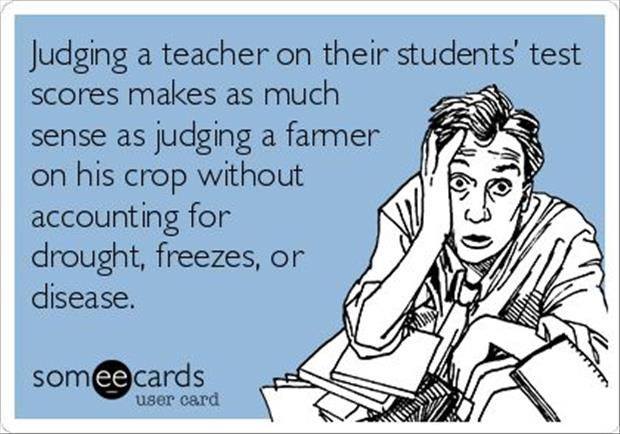
cows teachers test scores

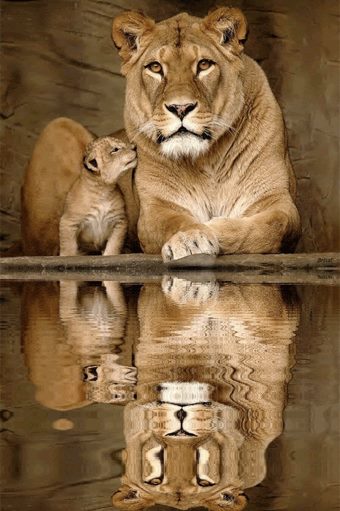
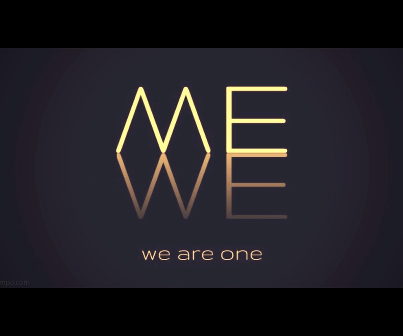
Here are a few other pictures which make me think of the value of reflection.

Relective Lions


ME WE are one reflection


horses reflection


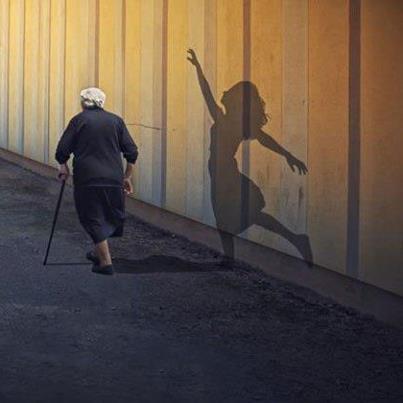
And, of course, I love this photo of the reflection of the dancer.

reflective younger:older woman


The following reflective cycles might provide a little guidance for anyone, who would like to do some reflective activities with others. Help yourself.

Reflective Cycles in class.


May 28, 2015Read More
My Reading of “Book With No Pictures”

My Reading of “Book With No Pictures”

Atall School

Book With No Pictures by B.J. Novak

Recently, I again visited some of my favorite kids in the whole wide world in an archetypal one-room country school house.

Photo of Atall SchoolAtall School #1


The purpose of this visit, as always, was to read a book to the 12 students, ranging from grades K to 8. One might think that it is hard to choose a story, which will capture the interest of kids from 5 to 13, but it really is not. For example, the teacher just finished reading “The Secret Garden” with them. On this particular day, I chose to read Book With No Pictures.

 Watch the author, B.J. Novak, read his Book With No Pictures.

I’m sure that I am not as good as the author when I was reading the book, but all of the kids were hooting, laughing, squealing, and/or smiling. The younger children loved it the most, and we all loved them loving it. Of course, everyone’s favorite pages, is when I had to read loudly, BOO-BOO BUTT, BOO-BOO BUTT. Ok, I winced a bit, but not the kids!

Later in the day, I noticed that 5-year old, Everett, had taken the book to his desk to read it by himself. Of course, he turned immediately to the infamous pages, and carefully with his little “pointer” finger was quietly reading aloud about the hippo, named BOO-BOO BUTT with a proud little smile on his face.

At the end of that school day, the parents pick up most of these 12 children and drive them to an after-school church youth group program. The youngest children went happily skipping and laughing out the door, and in their best sing-songy voices they were squealing, “BOO-BOO BUTT, BOO-BOO BUTT, Soldiers of the Cross.”

I cringed wondering what the parents must have thought….

April 21, 2015Read More
Thank you, IASL.

Thank you, IASL.

Thank you to IASL (International Association of  School Librarians) for the invitation to come to Austin to share some of my thoughts.  What a highly-experienced group of committed professionals.  I thoroughly enjoyed my time with all of them.  My handout and my ppt. presentation are posted right here.

IASL Austin Ap 2015

IASL Joan handout final

In addition, here are 4 photos of beautiful Austin, which reminds me a bit of Davis, CA. A huge Davis, CA.

Here is the view from my hotel window.

from hotel windowJPG

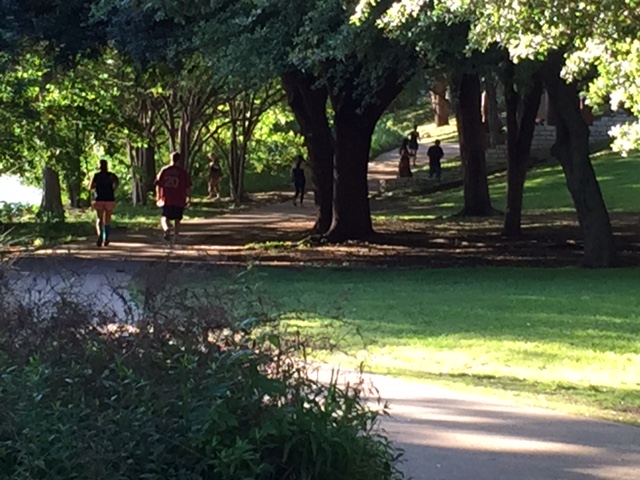
And, here is that same river from the walking path, which runs for miles.

from walking path

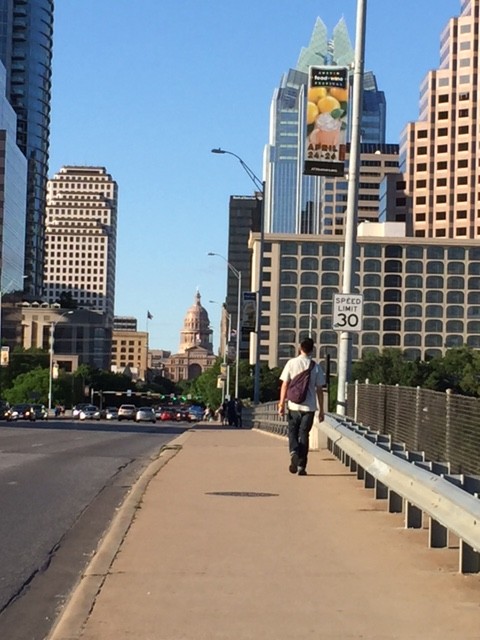
Here is the same river from a bridge which runs above it.

from bridge


Finally, from that same bridge, I looked down Congress Street, and I could see the Texas State Capital.

TX capitol

Following the IASL, I was able to take part in the Texas Librarians Association annual conference.

#grateful


April 15, 2015Read More
Literacy and Love Last: Darcie, One of The Benson Kids

Literacy and Love Last: Darcie, One of The Benson Kids

WinkWorld

March 30, 2015


Dear WinkWorld Readership,

Much of what I know about teaching and learning, I learned from The Benson Kids in the 1970s and 1980s.  When I think of these kids, I am reminded of Paulo Freire’s comment: “Education is radically about love” (Wink, 2011, p. 2).

Read one of the stories about The Benson Kids.

However, tonight’s story about Darcie, one of the Benson Kids, is inspired by the story I heard this afternoon regarding a precious little neighbor girl, who sobs after a story of a little puppy. However, as you know, she immediately wants to hear it again.

Literacy and love last, as we see in this short story of Darcie, which is dedicated to the memory of Roxanna, one of the Benson Kids, who, only today, left us way too soon.

Where The Red Fern Grows

“’Lil Ann’ died peacefully yesterday,” Darcie said to me when I arrived to visit her after an absence of decades. When she greeted me with those words, we both immediately knew the literary reference, although years had passed since I read Where the Red Fern Grows to Darcie and her fellow 8th grade classmates.

Simultaneously and instantaneously, Darcie and I were carried back to the final scene in the book, when ‘Old Dan,’ the trusted hunting dog, died after saving Billy from a mountain lion attack. In the story, ‘Lil Ann,’ the female hunting dog, died within a few days of a broken heart. That fictional scene was so sad for me, that I was not able to continue reading aloud to the class. Fortunately, another 8th grade student jumped up from his desk to read the final pages of the novel to his classmates, Darcie, and me. Tears and silence prevailed, as none of us wanted to re-enter reality.

And, now here I was reconnecting with this former student, the day after her own beloved ‘Lil Ann’ had died.

Literacy and love last, indeed.

To read more about Darcie’s life today, see Changed Horse.

Read a summary of Where the Red Fern Grows.


March 30, 2015Read More
Tucson Festival of Books: WOW

Tucson Festival of Books: WOW

Dear WinkWorld Readers,

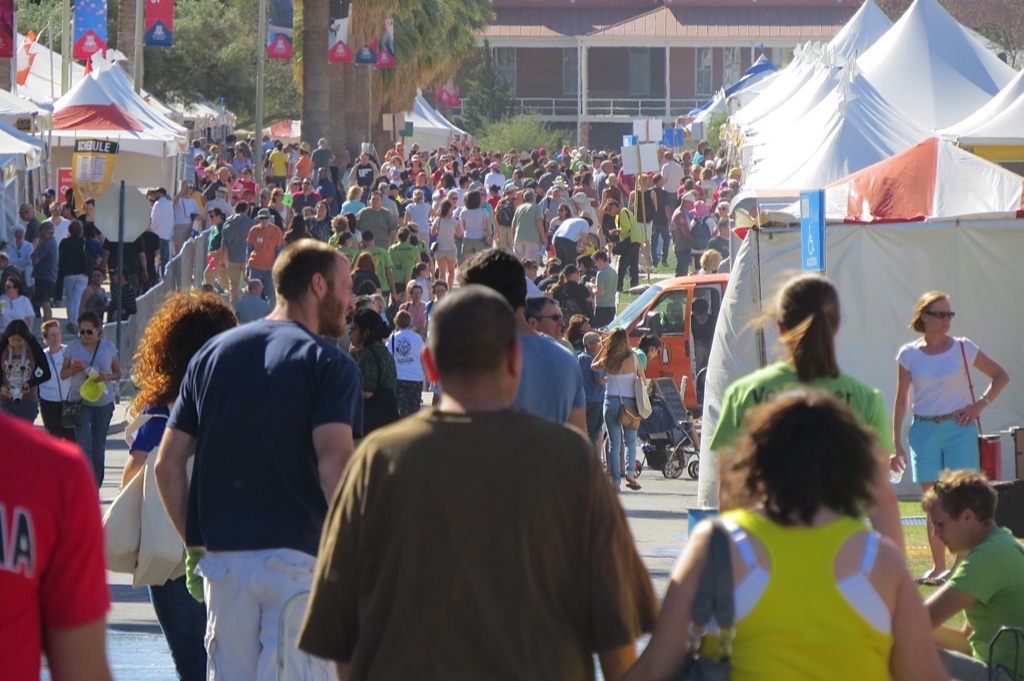
Recently, I attended the Tucson Festival of Books, and once again, it was an amazing group of 120,000 people celebrating literacy all over the campus of the University of Arizona. In the photo below, you can see a few of my new best friends.

TFOB  throng of people 2015


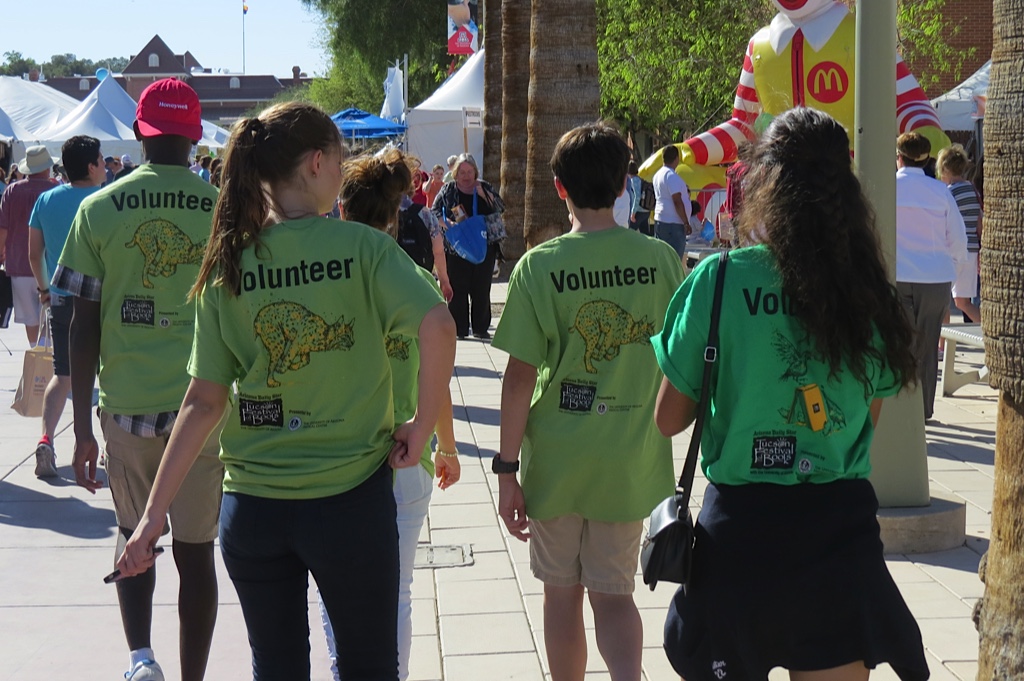
Below, I am posting a photo of a few of the approximately 1800 volunteers. Tucson Festival of Books has only one paid employee. This is truly a community event.

TFOB 4 volunteers


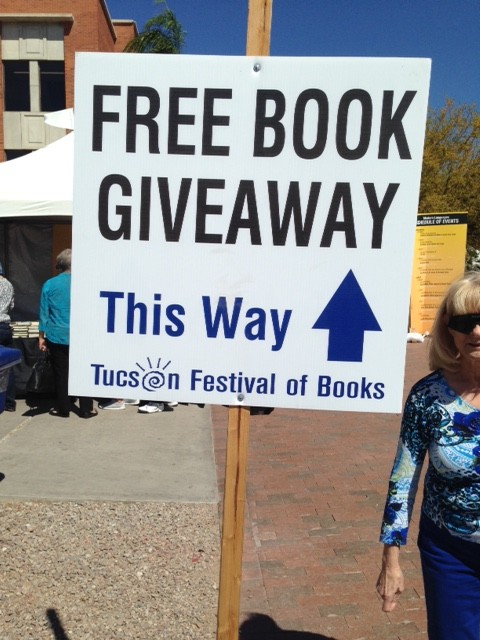
The first thing I found at Tucson Festival of Books was this sign.Free Book Giveaway Stocker

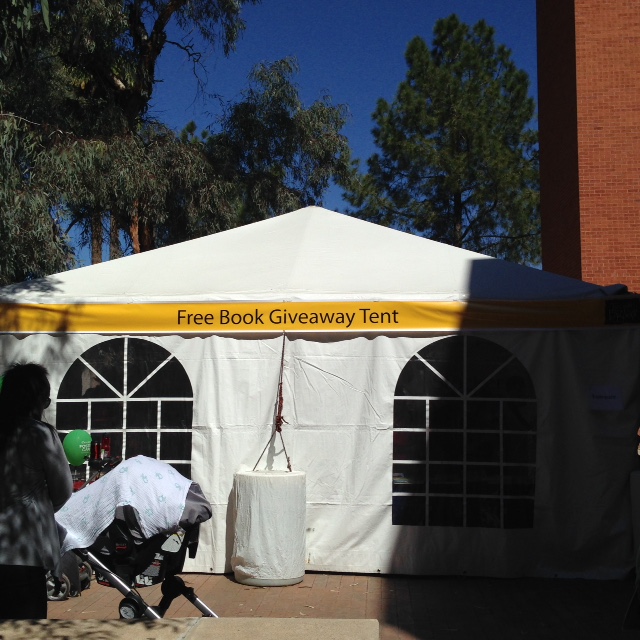
Next, I followed the directions of the sign and found this.

Free Book Giveaway Tent

Who would ever imagine a tent full of new, beautiful books for kids? Thank you, Stocker Foundation.

WOW

From the free books, I went right to WOW (World of Words) which is a huge collection of children’s and adolescent’s books from around the world.

World of Words (WOW)

Lots of authors, who write for young people, were hanging out in the hallways of the College of Education. Jacqueline Woodson was a highlight for me, as were Jo Knowles and Katherine Patterson. Now, I’ll need to dig out my kids’ “Terabithia” and reread.

Meeting and spending time with author, Sarah Bird, was a real treat.  She and I will soon see each other again in Texas, where we will both be sharing our thoughts with librarians.  More on that coming soon.

Meet Sarah.

J.A. Jance was at her best, and the crowd was very appreciative, as she told witty and even heart-wrenching stories. Our son, Bo, is an avid reader, so I always stalk C.J. Box  for him.  I did learn that Joe Pickett , the hero of Box books, is 46-years old. Apparently know one has known this factoid until the latest Box book.  Who knew?

Meet Joe Pickett

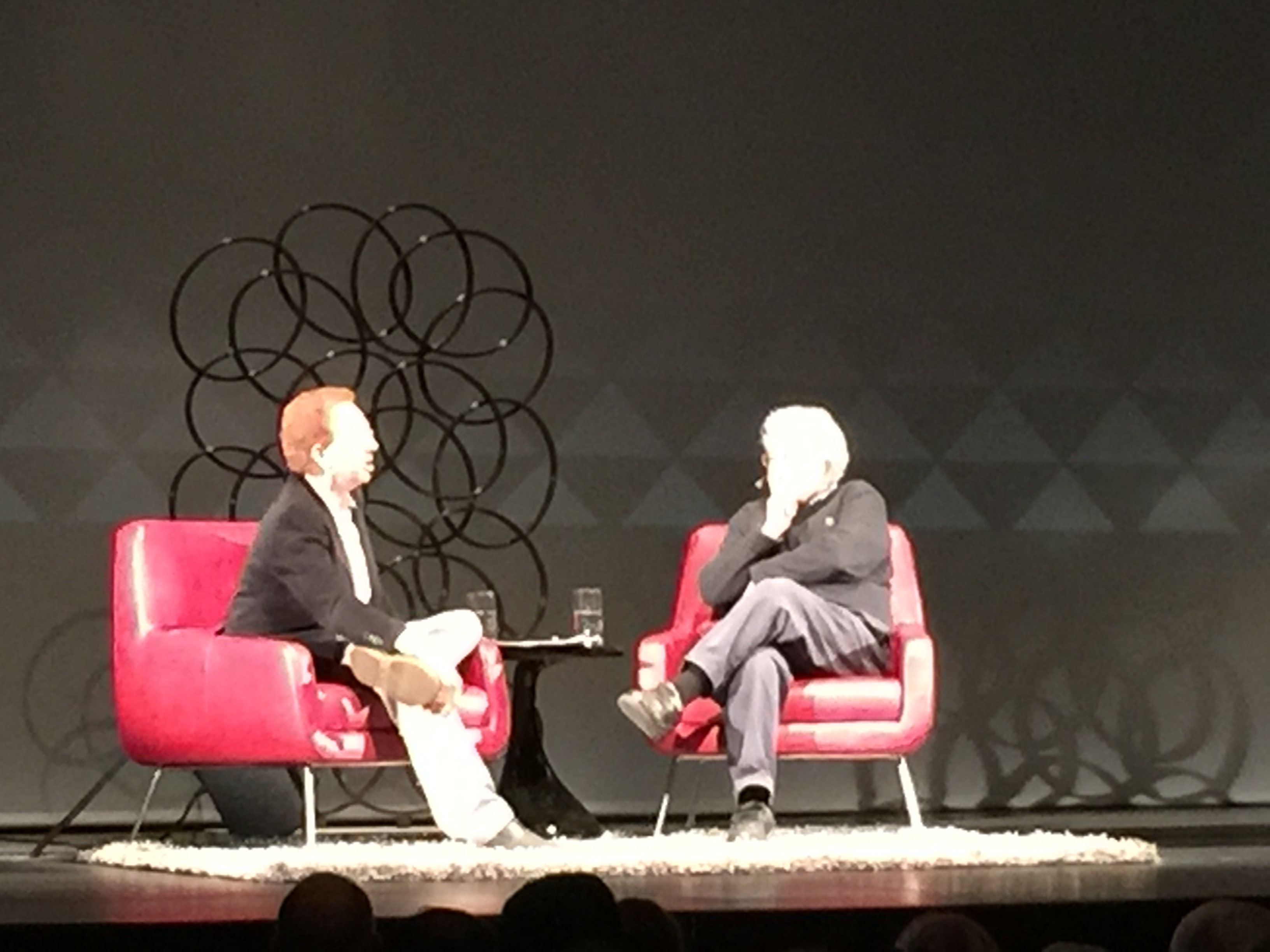
From CJ Box and JA Jance, I went right to Noam Chomsky, the internationally-esteemed linguist and philosopher. In my entire life, I had never heard him speak. He had just flown in from Argentina, and he still had the vigor of a young man, and the intellect of a mountain of men.

Chomsky photo

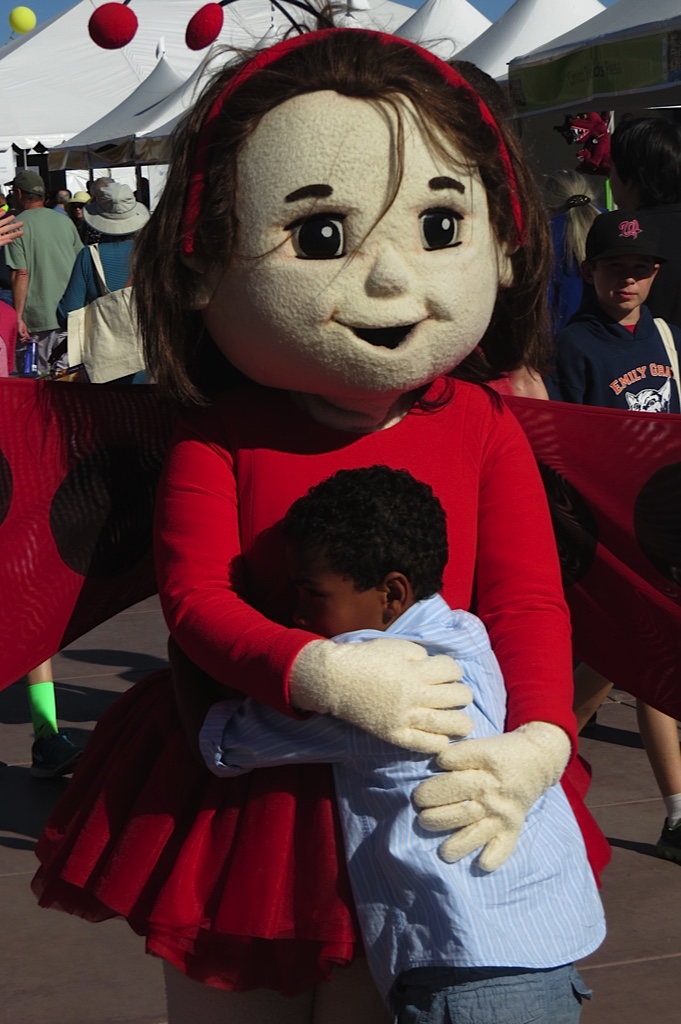
This little boy’s hug of “Lady Bug Girl” of captures the spirit of the book festival.

TFOB hug red dress

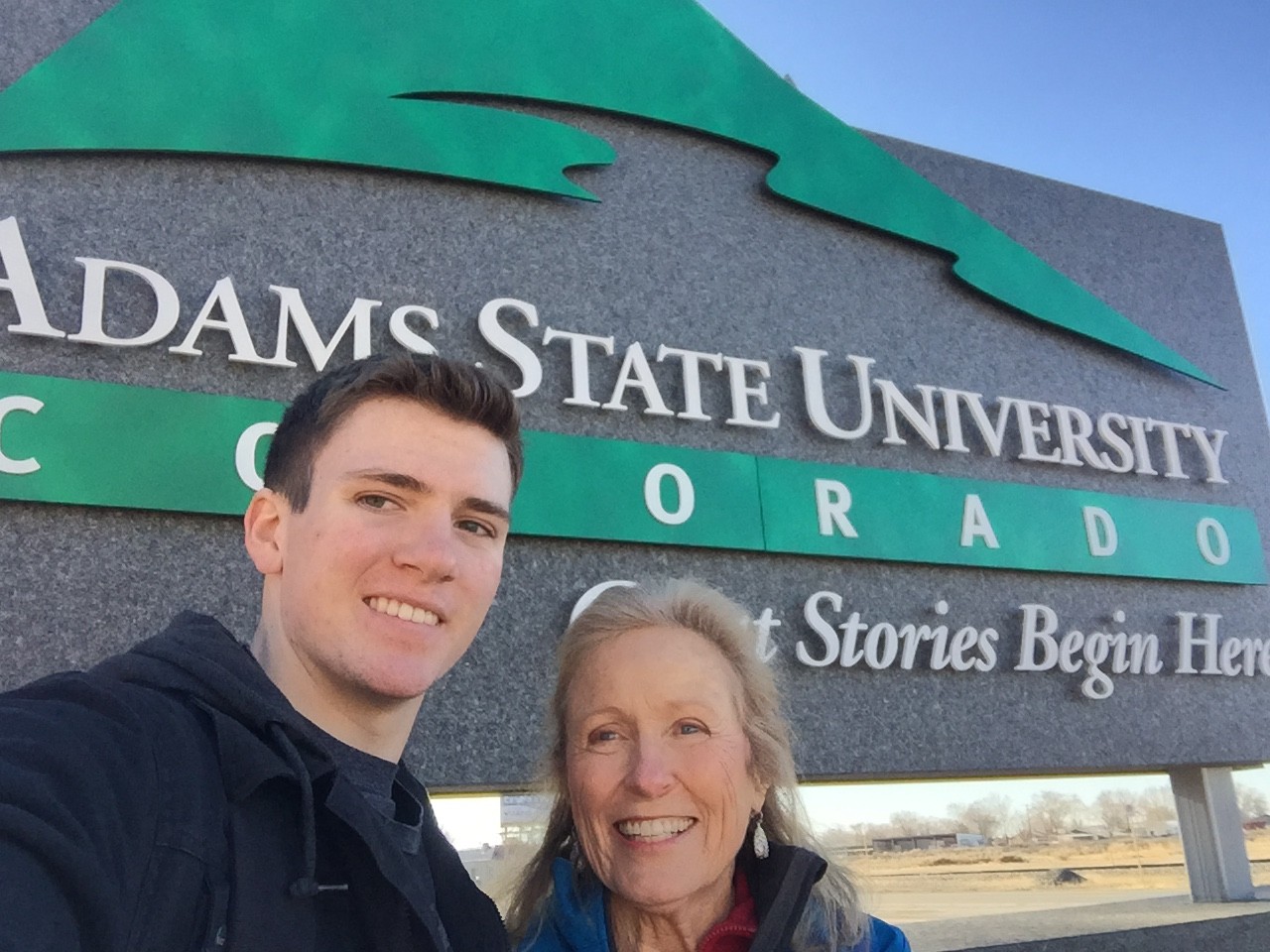
In addition, during this road trip I was able to visit Wyatt at Adams State, where I found him thriving in his new university home. #proudandhappygrammie.

Grammie Wyatt AS


During the road trip, I met up 4 other Winks. It was a great trip.

4 WinksThank you to Darryl Dobras for the photos from the Tucson Festival of Books.

March 28, 2015Read More
Books Beget Books: Burnett Did This to Me

Books Beget Books: Burnett Did This to Me

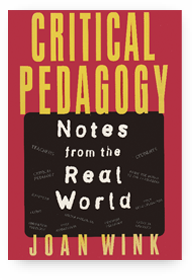
Dear WinkWorld Readers, this post is a bit longer than I usually post: Here, I have the equivalent of 3 typed pages, and the first page is an adaptation to a story I published originally in Critical Pedagogy: Notes from the Real World, 4/e, 2011, pp. 16-17. The remainder of this post is an update to that original story.

Books Beget Books: Burnett Did This To Me

The Secret Garden by Frances Hodgson Burnett was my home run book. It was the first book that made me want to read more and more books.

What is a home run reading book?

Flash-back

I learned to read by way of phonics in the first grade from Mrs. Larson: Oh, how I loved Mrs. Larson. And, oh, how I loved her son, Paul; we all loved Paul. But, back to my reading story: First, I learned the individual letters and their sounds; from letters and sounds, I went right to words. Next came sentences, paragraphs, and pages. I learned to read by building up the parts–from bottom to top. Reading specialists would say that was a parts-to-whole reader. Some would say that phonics gets the credit. I slowly and carefully put the puzzle together piece by piece.

In school, I read every assignment, every chapter, every set of comprehension questions at the end of every chapter, every spelling list, every grammar assignment. I read everything I was told to read; I got good grades.

One problem: I hated to read. I read only the exact number of pages assigned. I never took a book home to read for pleasure. I went to college and continued this pattern. I spent every free moment in the library, got good grades, graduated with honors in literature, yet I still hated to read.

When my children were babies, I started to read to them. The baby books said that I should, so I did. With our first child, Dawn, something started to change. I loved the big black-and-white checkered book, The Real Mother Goose. I thought Winnie the Pooh had been written just for me. By the time we got to Charlotte’s Web, I was hooked on books.

I remember the first time Dawn didn’t want to hear The Secret Garden again, as she wanted to read the Laura Ingalls Wilder chapter books by herself. It was an a-ha moment in my life: I could read it for myself! It was my home run reading book. Suddenly, I had fallen in love with reading. I was about 30-years-old.

The Secret Garden from JulieJPG


With our son, Bo, I broadened my literacy base. I probably have read The Three Little Pigs several thousand times, and I still huff and puff with vigor. Pecos Bill was the highlight of Bo’s preschool years at home. From there, he moved to BMX magazines and then on to motorcycle books. At this point, he jumped right into Stephen King, and I chose not to go along. Another a-ha moment: Now I could read whatever I wanted. Liberating.

When did Dawn and Bo learn to read? I have no idea, but it was before kindergarten. One day Dawn came home from kindergarten crying because she was not allowed to check out The Secret Garden from a library–she was told that only older students were allowed to take that book home. The same library had a rule that kids could only check out one book at a time–a rule Dawn hated. One day, she checked out her one allotted book, and shoved 3 more up inside of the front of her t-shirt, and headed for the library door. She had detention for a week.

Dawn and Bo learned to read the opposite way that I did. Reading specialists would say that they are whole-to-part readers. They look at the whole picture of the puzzle first and then put the pieces together. Do they love to read? Yes. Do they read for pleasure? Yes. They have been avid readers since the days of The Secret Garden.

Flash-forward to the Present

Since that time, I have bought multiple copies of The Secret Garden to reread and eventually give away. My pattern through the years has been something like this: Look for my copy of The Secret Garden on my shelves–realize I gave it away–buy another copy–read it–love it–give it to someone–tell them that they will love it. I even gave one to my Little Free Library.

LFL Joan Wink

My friend, Jodi, is now reading that copy  to her daughters.

Secret Garden from Jodi

Another friend, Missy, teaches at Atall School, a one-room k-8 isolated school on the prairies. She decided to read The Secret Garden to her 12 students, and I wanted to read along with the students. One problem: Jodi now had my last copy. No problem: Missy gave me two copies (knowing that I would give one away).

2 pink books

What a joy it was to rediscover the story with a new group of kids, even if we were a bit bothered by a pink cover. This time as we read the book, the kids and I fell in love with the chapter (Curtain), which looked at children through the eyes of robins. I have reason to believe that Jodi is going to return my dark and loved soft book and take that extra pink one.

Remember, Books Beget Books

Flashback To Last Summer

Now, you would think that this is the end of the story, but no. A woman friend visited the ranch last summer and read The Forgotten Garden by Kate Morton. When she finished it, she handed it to me to read and pass on. The book lay around on my bedside table for several months. When Missy, the Atall kids, and I had finished the Secret Garden, I began searching for something to read. Yes, you guessed it: The Forgotten Garden  jumped up off my bedside table and into my hands. And, yes, there is a dark, secret garden in this story, which holds the answer to the question, which haunts three generations of women in one family.   Of course, the granddaughter eventually solves the mystery. (Thank you, Barb Gentry of Philadelphia for sharing this luscious read with me.) And, buried in this book, about 2/3 the way through (chapter 37), suddenly a Mrs. Hodgson Burnett makes a little cameo appearance in the story.

Frances Hodgson Burnett is the author of The Secret Garden.

One Last Story About Books Begetting Books

Last week I was in Tucson at a bookstore, and a book filled with a magical world of ink drawings of secret gardens caught my eye; the title was The Secret Garden by Johanna Basford. I knew the Atall kids had to have it and could use their felt-tipped markers and/or colored pencils to recreate their own works of art.

See the cover of this book here.

Wouldn’t you know it: The very next day on Facebook a colleague from Brazil posted the cover of the book, which she had found in Sao Paulo. The original black/white ink etchings on the cover page were already colored with the words, El Jardim Secreto. Remember, they speak Portuguese in Brazil. Thank you, Daniela Alves Meyer.

el jardim secreto by Johanna Basford


And, to think that this story all started years ago because Dawn wanted to read the chapter books of Laura Ingalls Wilder, and Bo wanted to read Stephen King. Fortunately, for me, the first book I grabbed was my home run reading book.  If you have not found yours yet, just keep grabbing books: One of them will be your very own home run reading book.

For more about Johanna Basford, read here.


March 3, 2015Read More